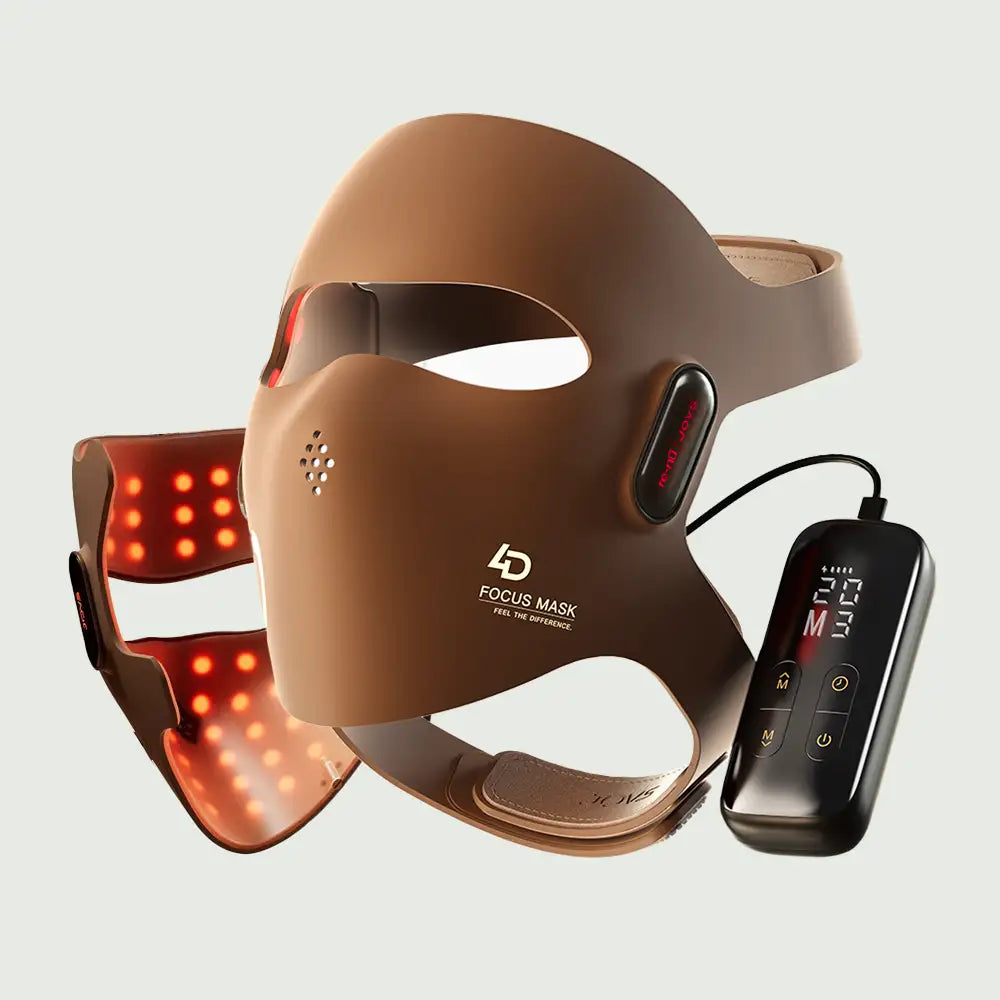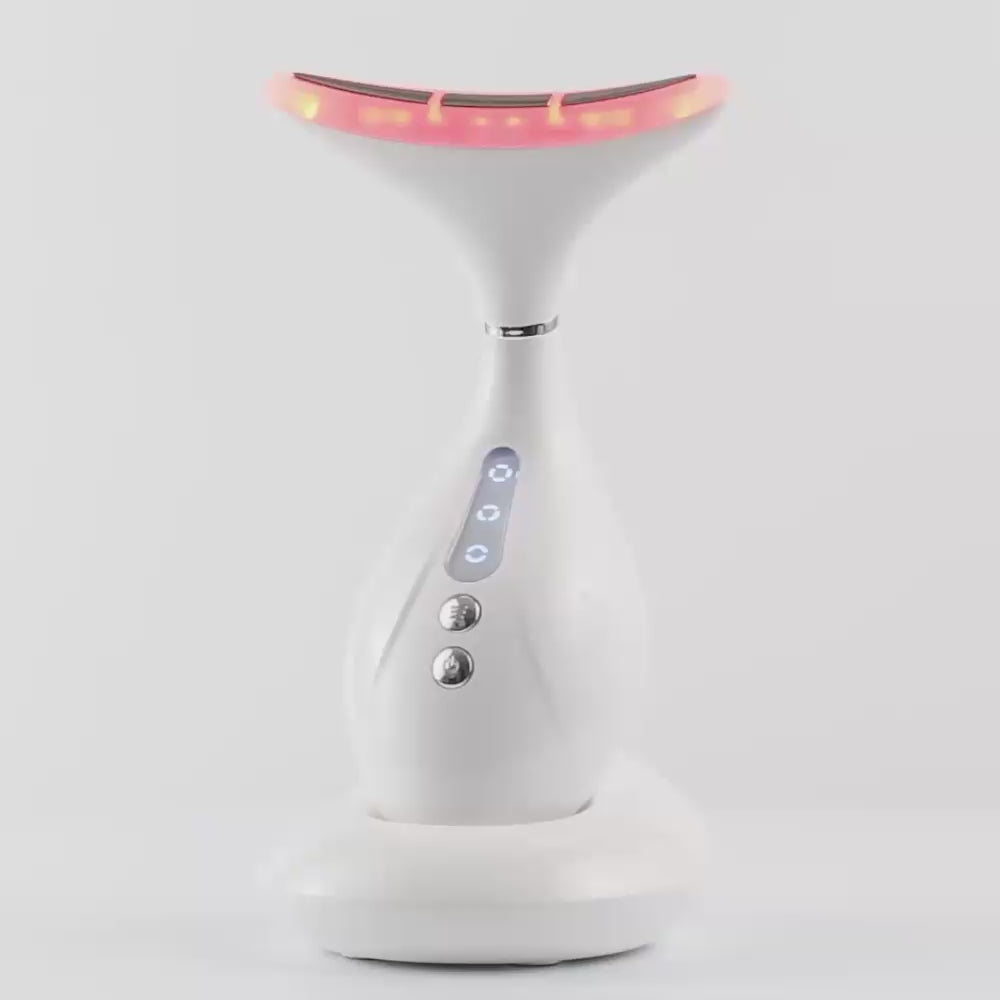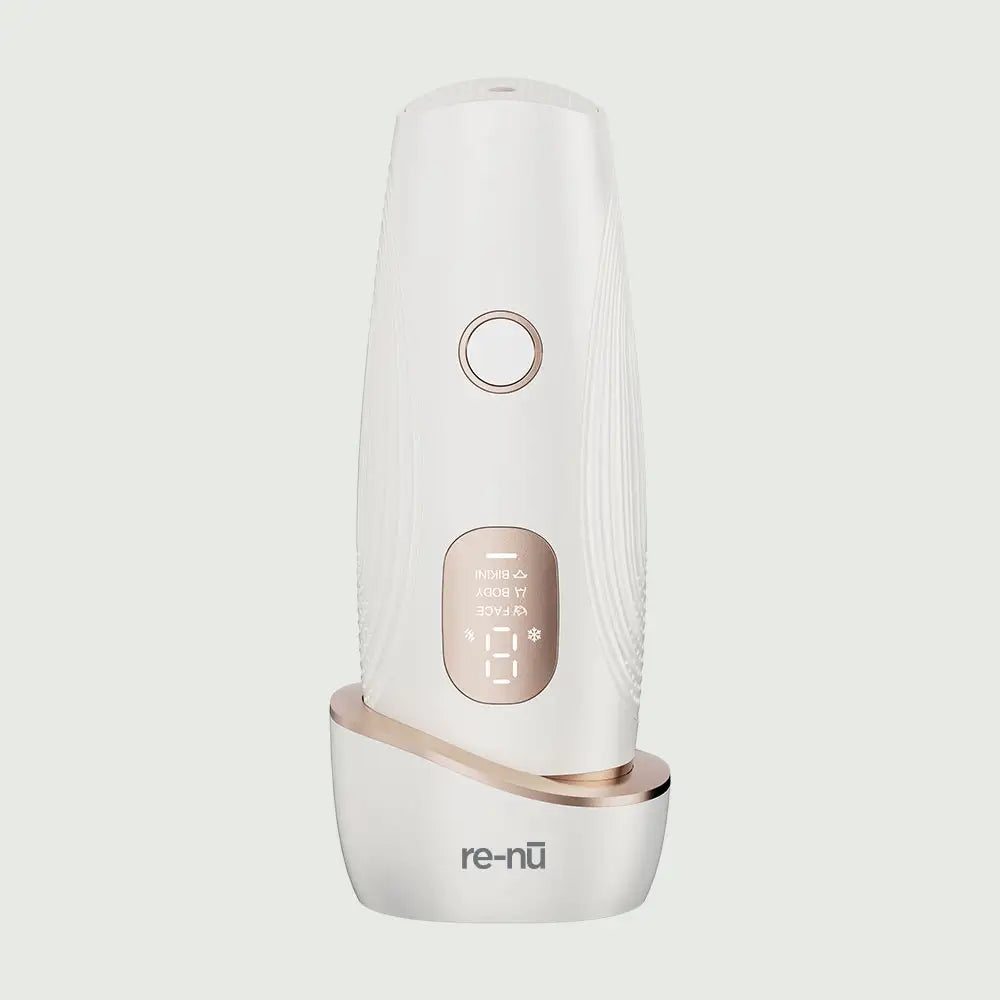


It sounds like something out of a sci-fi movie, red light therapy. In reality, though, it’s actually a simple, science-backed way to support healthier skin. You’ve probably seen it in skincare clinics, gyms, or even as at-home devices.
One of the bigger questions that people have about red light therapy is how shining red light on your face can possibly make a difference. If red light therapy is a completely foreign concept to you and you want to learn more about it, read on below:
Red Light Therapy 101: The Basics
Red light therapy makes use of low-level wavelengths of red and near-infrared light to penetrate the skin. Unlike UV rays from the sun, this light does not burn or damage the skin cells. Instead, it works gently beneath the surface, targeting the cells that are responsible for repair and regeneration. It’s far from being a harsh treatment, and is really more like a subtle nudge telling your skin to function better.
How Red Light Interacts With Skin Cells
When red light reaches your skin, it gets absorbed by tiny structures inside your cells called mitochondria – yes, as in, “powerhouse of the cell”. Once stimulated, they produce more energy in the form of ATP or adenosine triphosphate, which is often called the “energy currency” of the cell because it is the primary molecule used to store and transfer energy for nearly all cellular activities.
With more energy available, your skin cells can repair damage, renew themselves faster, and function more efficiently overall.
Boosting Collagen and Skin Elasticity
One of the main reasons why people love red light therapy is its impact on collagen. Collagen is the protein that keeps your skin firm, smooth, and youthful-looking and feeling. As we age, though, the production of collagen can slow down.
Red light therapy can help wake up fibroblast cells, which are responsible for making collagen and elastin, another protein that gives tissues the ability to stretch and, more importantly, recoil back to their original shape. Continuing with red light therapy can therefore lead to firmer skin and a softer appearance of fine lines over time.
Reducing Inflammation and Redness
Red light therapy is also known for its calming effects on the skin. It can help reduce inflammation by improving blood circulation and lowering oxidative stress.
This can be especially helpful if you deal with redness, acne, or sensitive skin. By calming irritated tissue, your skin can heal faster and look more balanced.
Supporting Skin Healing and Recovery
Improved healing is another potential benefit of red light therapy. Because it encourages better circulation, more oxygen and nutrients can reach the skin. This can help speed up recovery from breakouts, minor scars, or environmental damage. Over time, you may find your skin looking healthier, brighter, and more resilient.
Frequently Asked Questions About Red Light Therapy, Answered
Q1: Is red light therapy safe for regular use?
This is one of the most frequently asked questions, and it’s an important one. When used as directed, red light therapy is generally considered safe for most people. It doesn’t involve ultraviolet rays, so it won’t tan or burn your skin.
Having said that, following the recommended session times and distances matters a lot. It’s also a good idea to talk with a healthcare professional before starting if you have a medical condition or are pregnant.
Q2: How long does it take to see results?
When it comes to red light therapy, patience is key. Some people notice subtle changes within a few weeks, especially with regards to skin texture or muscle comfort. It can take longer for others.
It’s important to remember that red light therapy isn’t about instant results, but rather gradual support. Regular sessions over several weeks tend to deliver more noticeable outcomes than occasional use.
Q3: Can you do red light therapy at home?
Yes, at-home red light therapy devices are widely available now. You can find a lot of them right here on our website; check our blog for our list of the best at home red light therapy devices. Our products include small handheld tools, red light therapy masks, panels, and more.
The main thing to watch for is quality and proper wavelength output. Home devices are often less powerful than professional setups, but they can still be effective when used consistently and correctly.
Q4: Is red light therapy worth trying?
If you enjoy wellness routines that are simple, low effort, and easy to fit into daily life, red light therapy is absolutely worth exploring. It’s not magic, but many people appreciate it as a supportive addition to skincare, fitness, or relaxation habits. Like most other wellness products and tools, it works best when paired with healthy sleep, good nutrition, and realistic expectations.
Red light therapy doesn’t need to be mysterious. Now that you’re armed with the right information, you can go ahead and try it out yourself!