



at-home red light therapy devices for glowing, youthful skin

Type: Acne
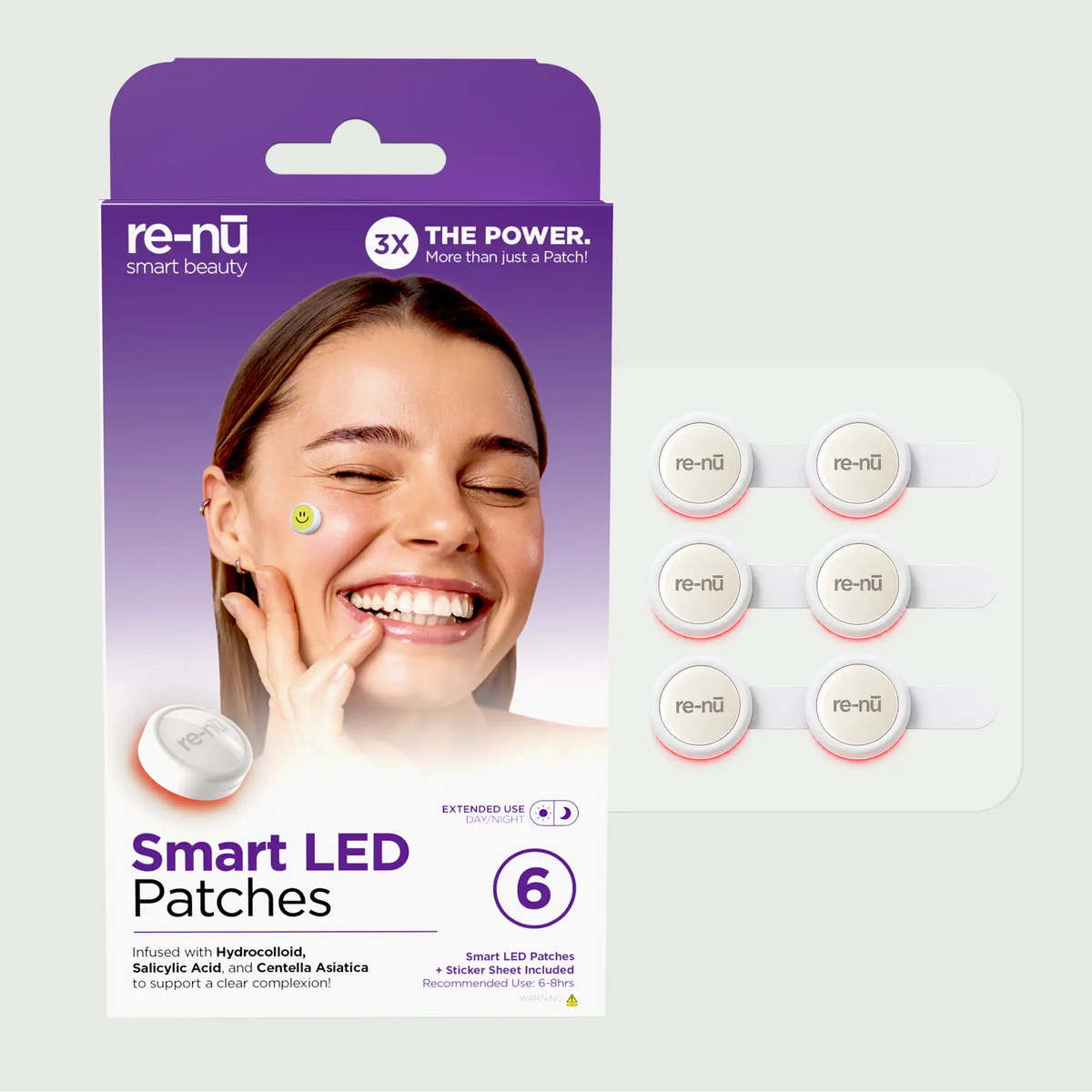
Smart LED Patches | At-Home Blue & Red Light Patches


Type: Cleansers
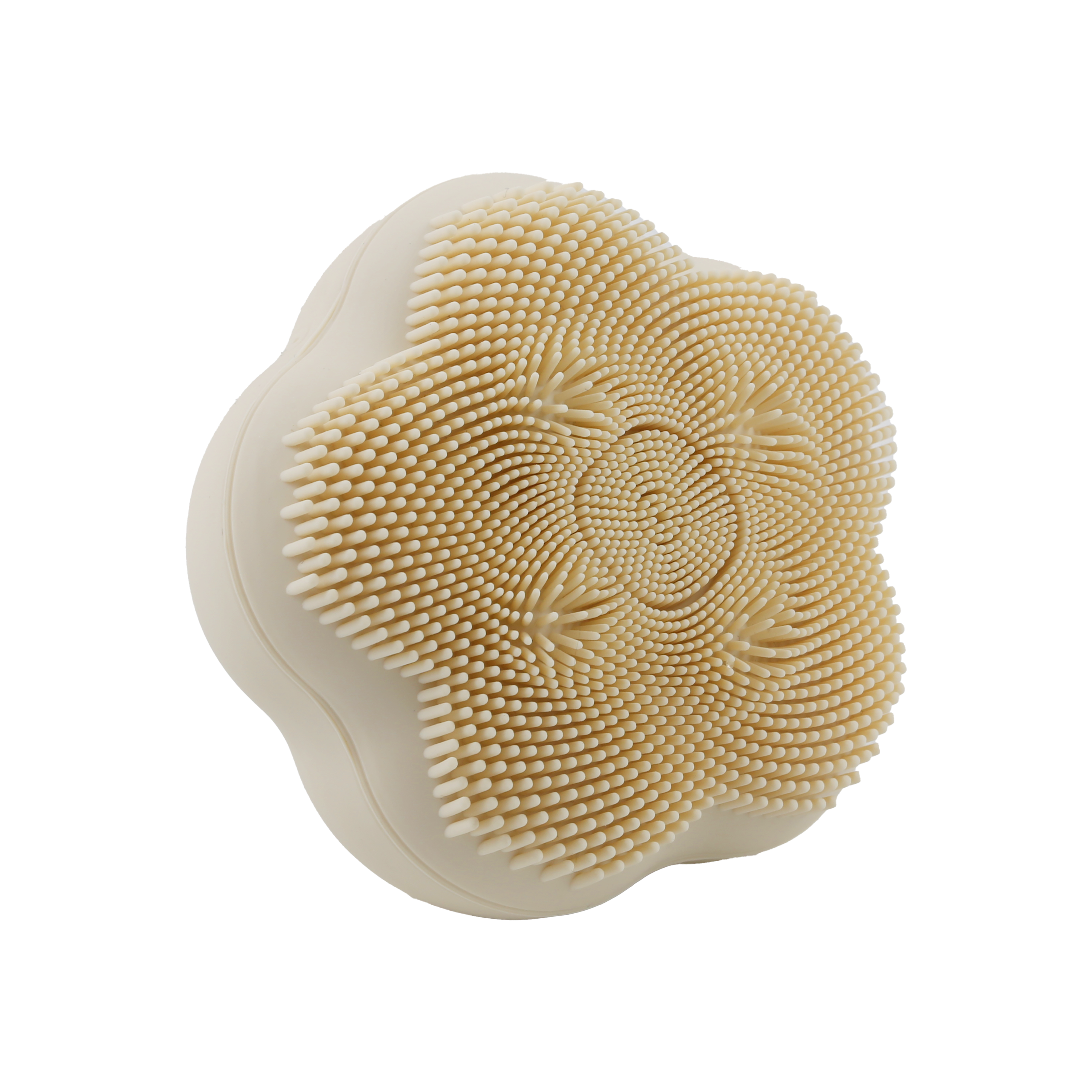
PurePulse Pro Sonic Cleansing Brush




Type: LED / Laser Device
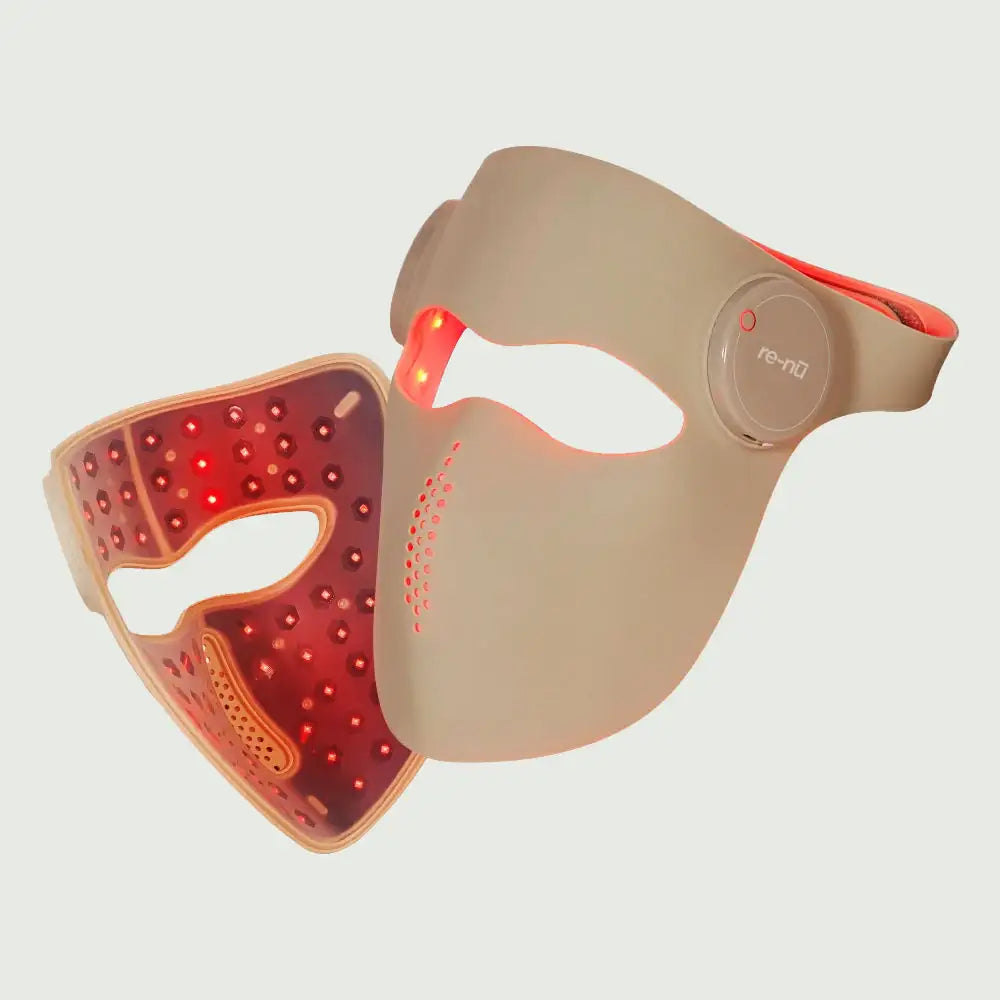
Silicone LED Face and Neck Mask


Type: LED / Laser Device
Silicone LED Face Mask


Type: LED Device
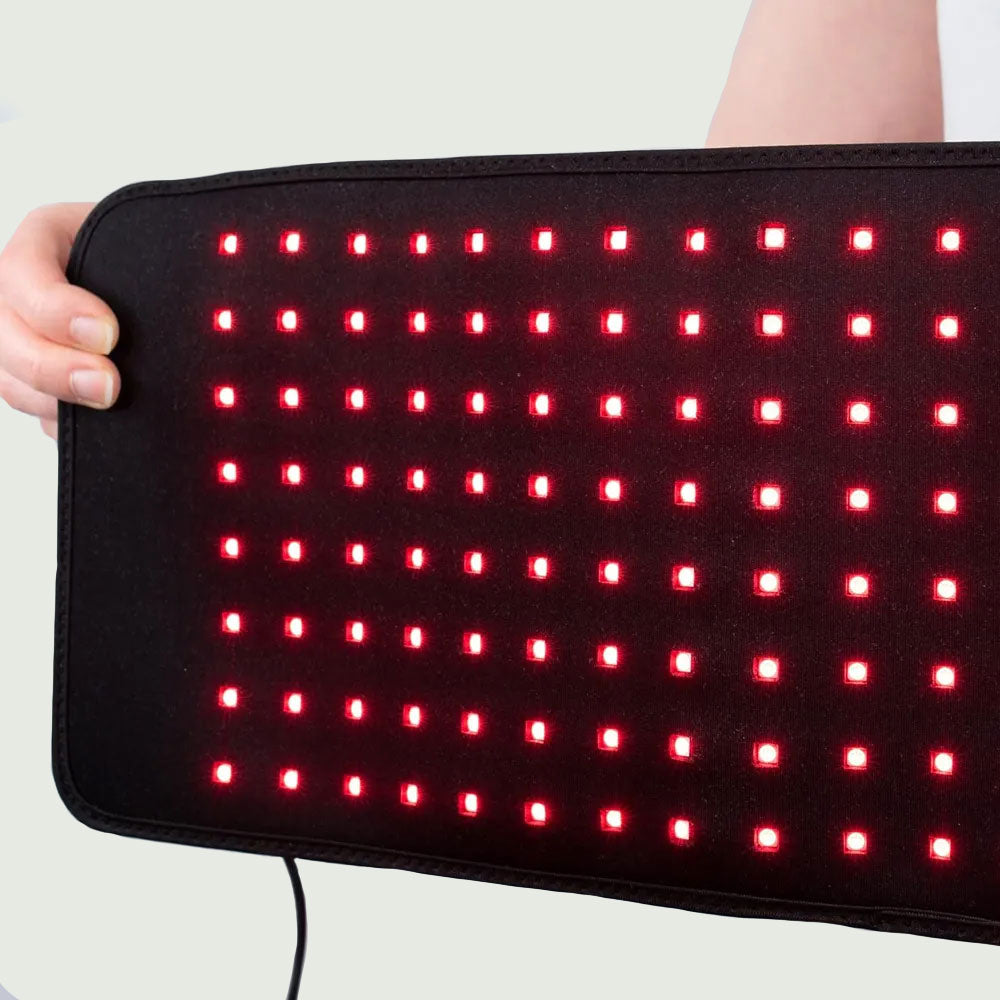
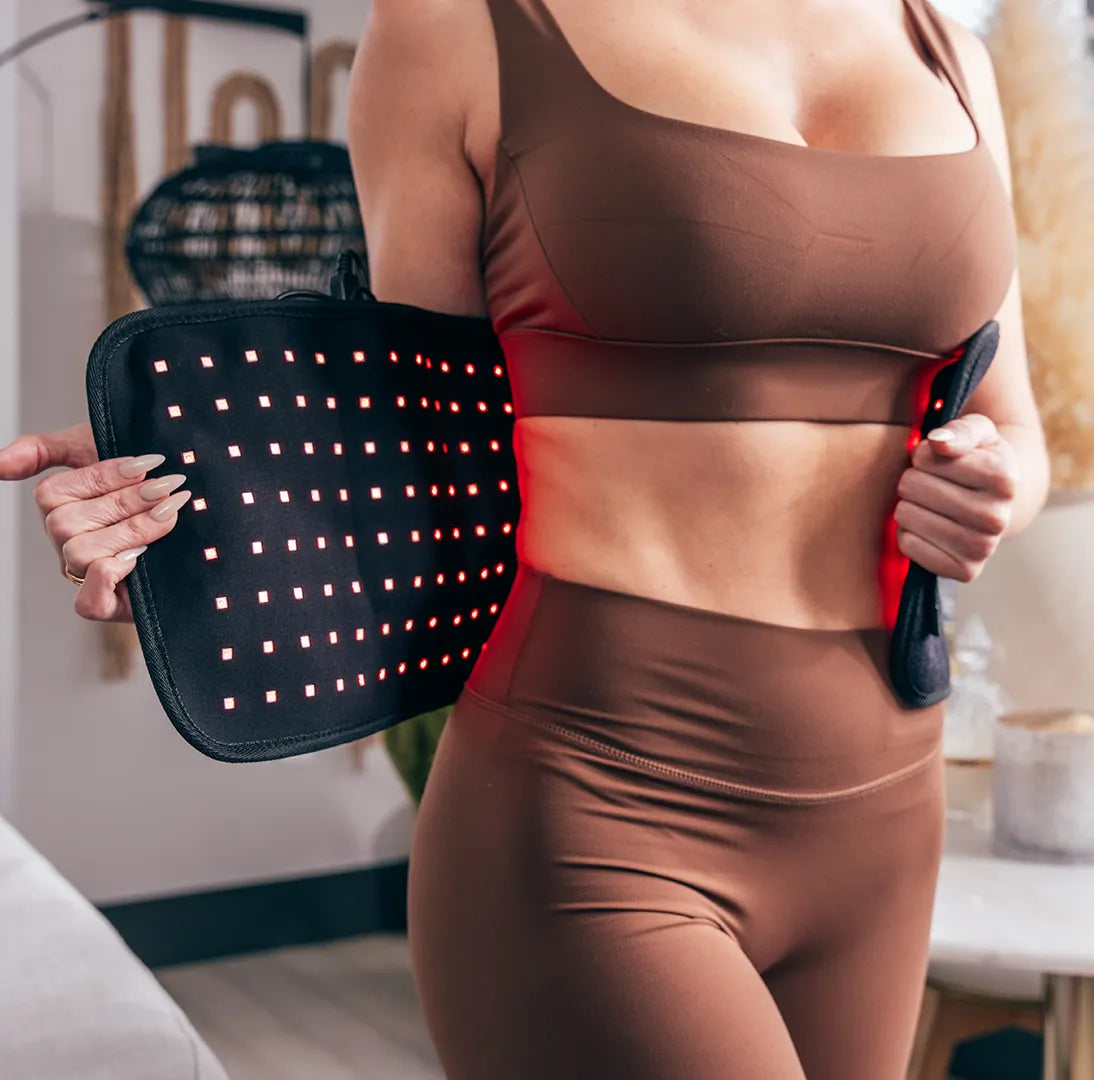
720 LED Red Light Belt
Type: Lift/Massage
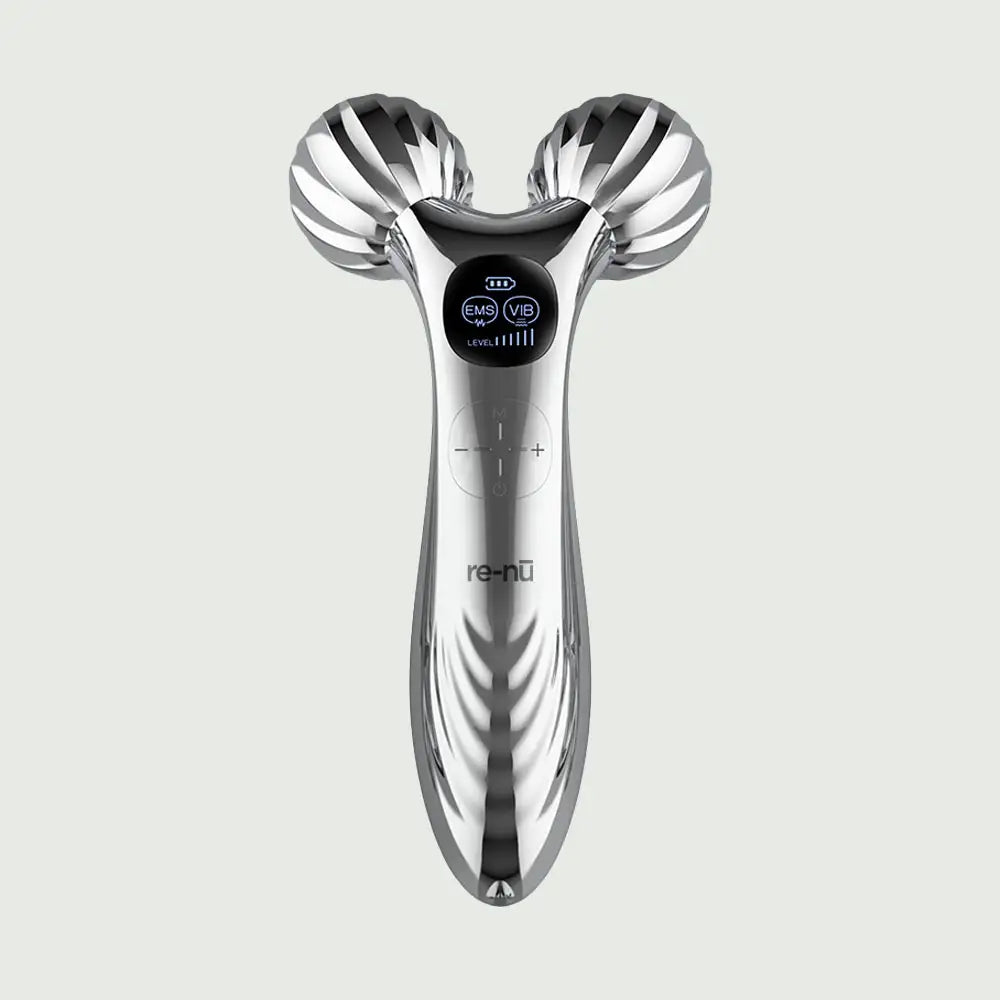
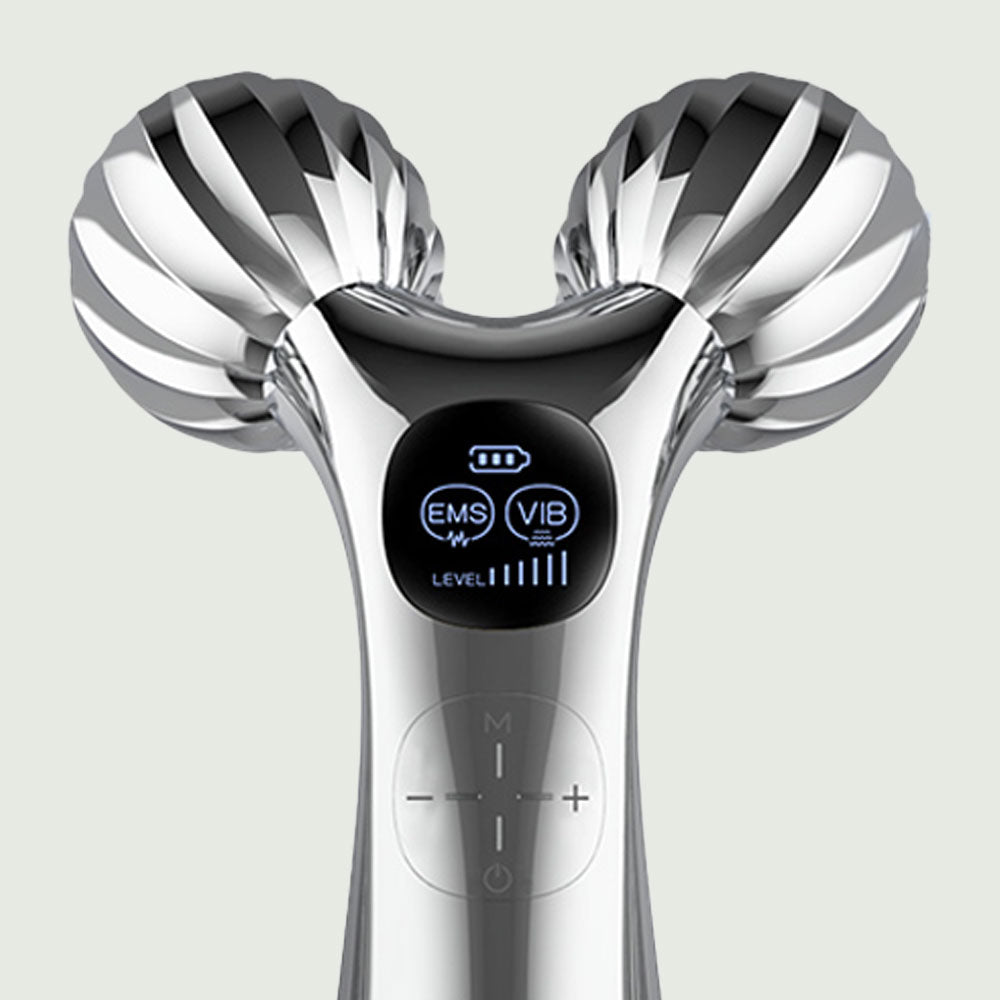
Vibrating EMS Massage Roller
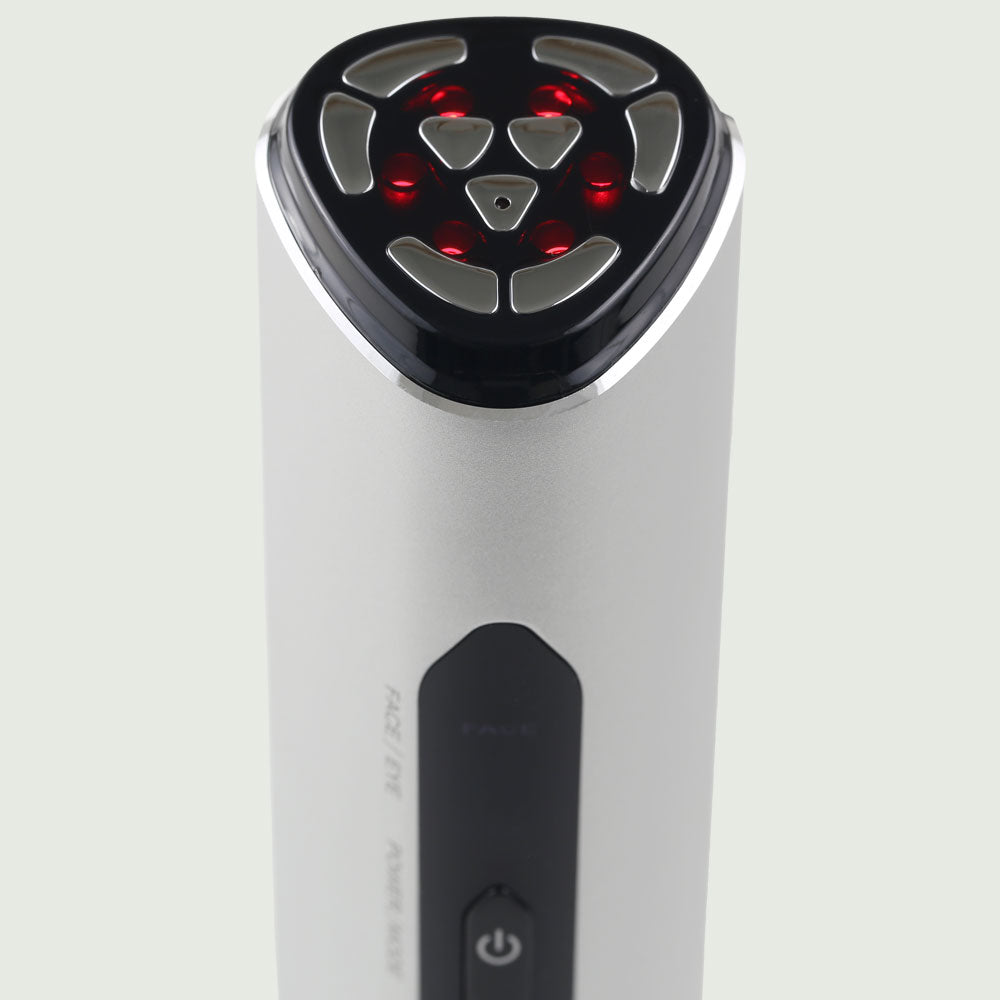
Type: Multi Function Beauty Device
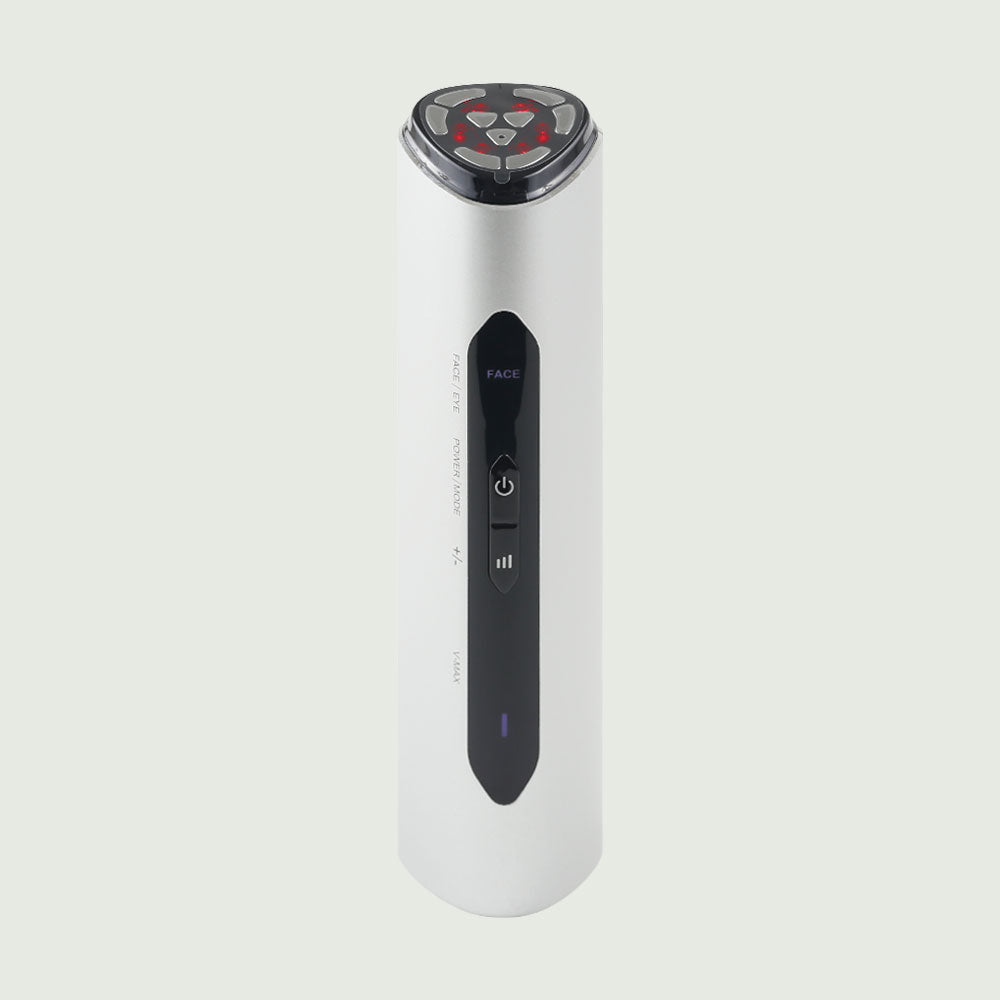
RF LED Microcurrent Lift Device
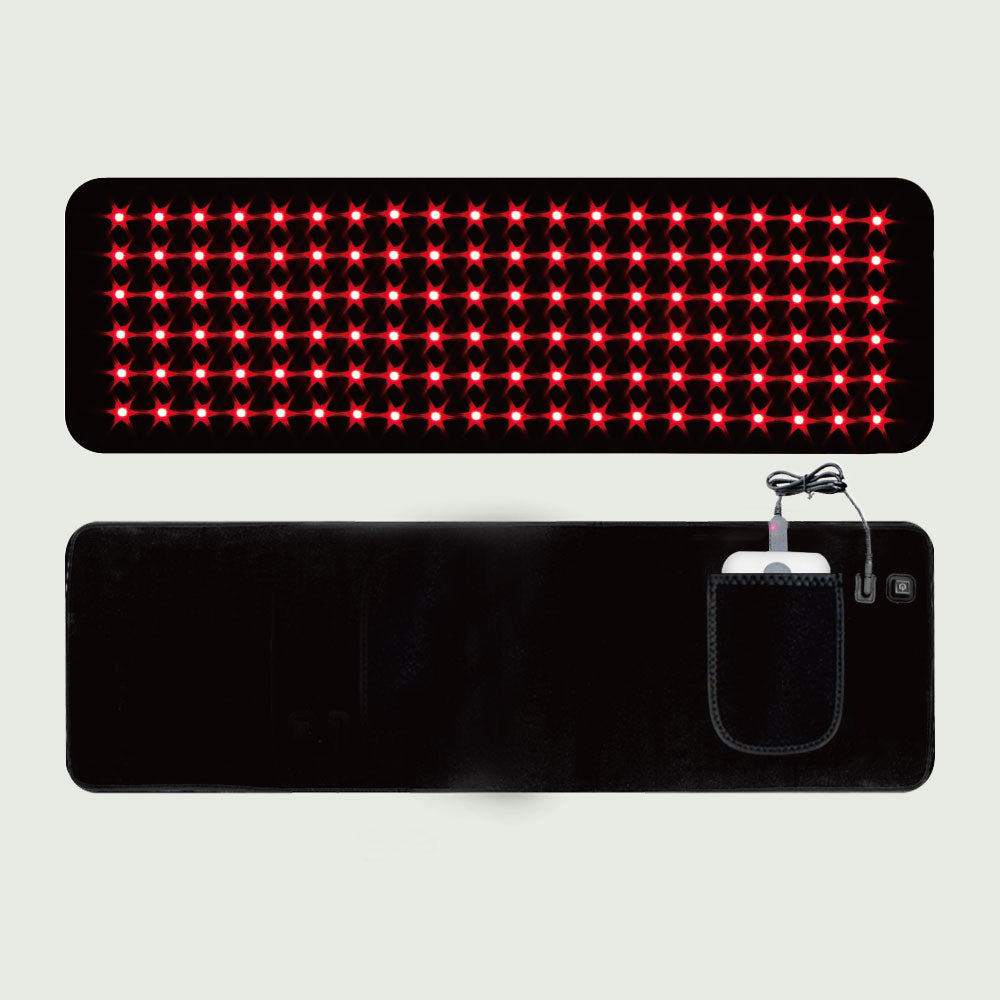
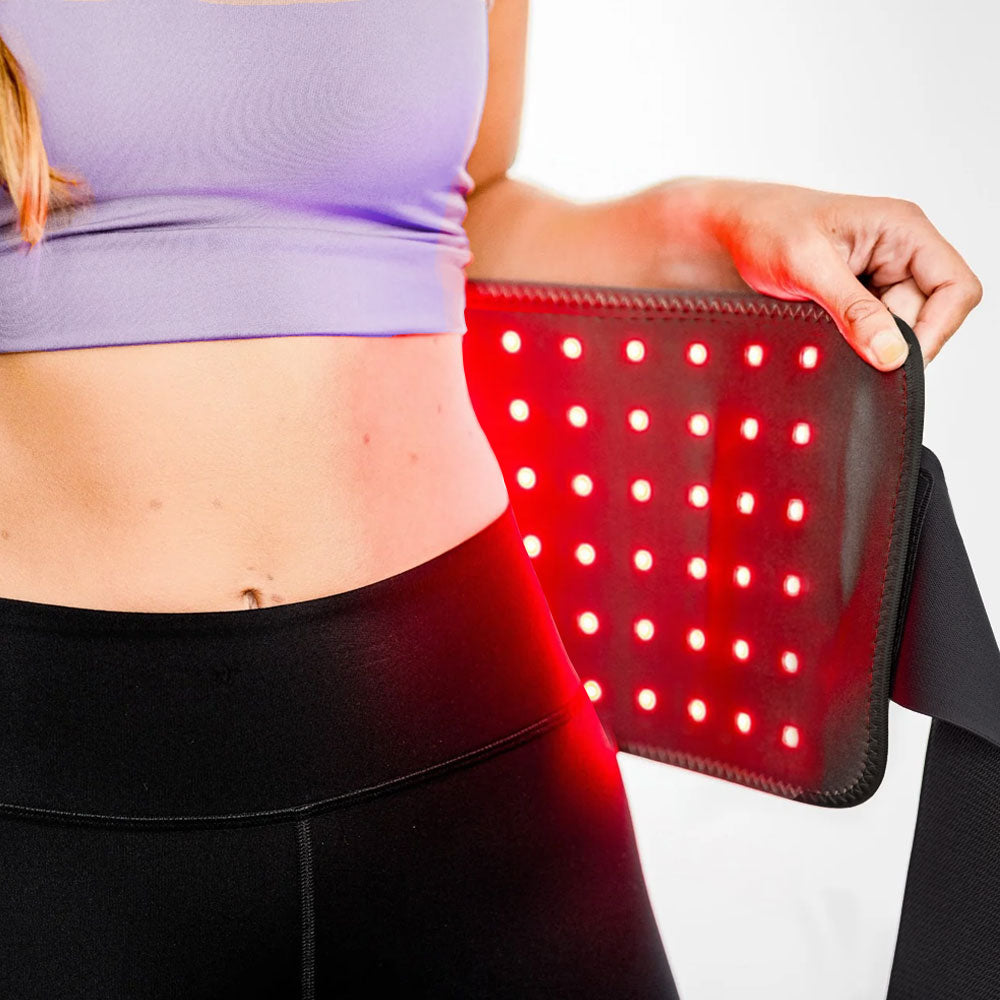
Type: LED Device
360 LED Red Light Belt
Type: Acne
Smart LED Patches | At-Home Blue & Red Light Patches
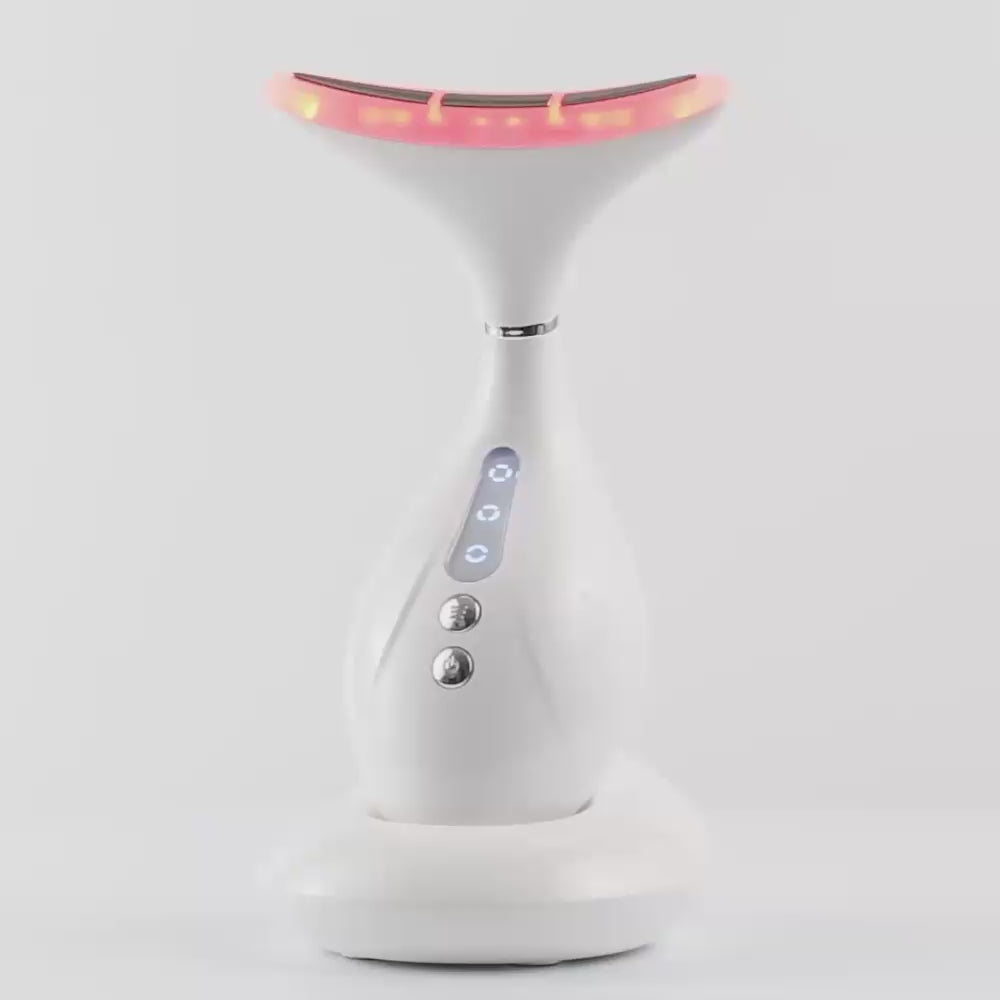
Type: Multi Function Beauty Device
360° LED Lift & Sculpt
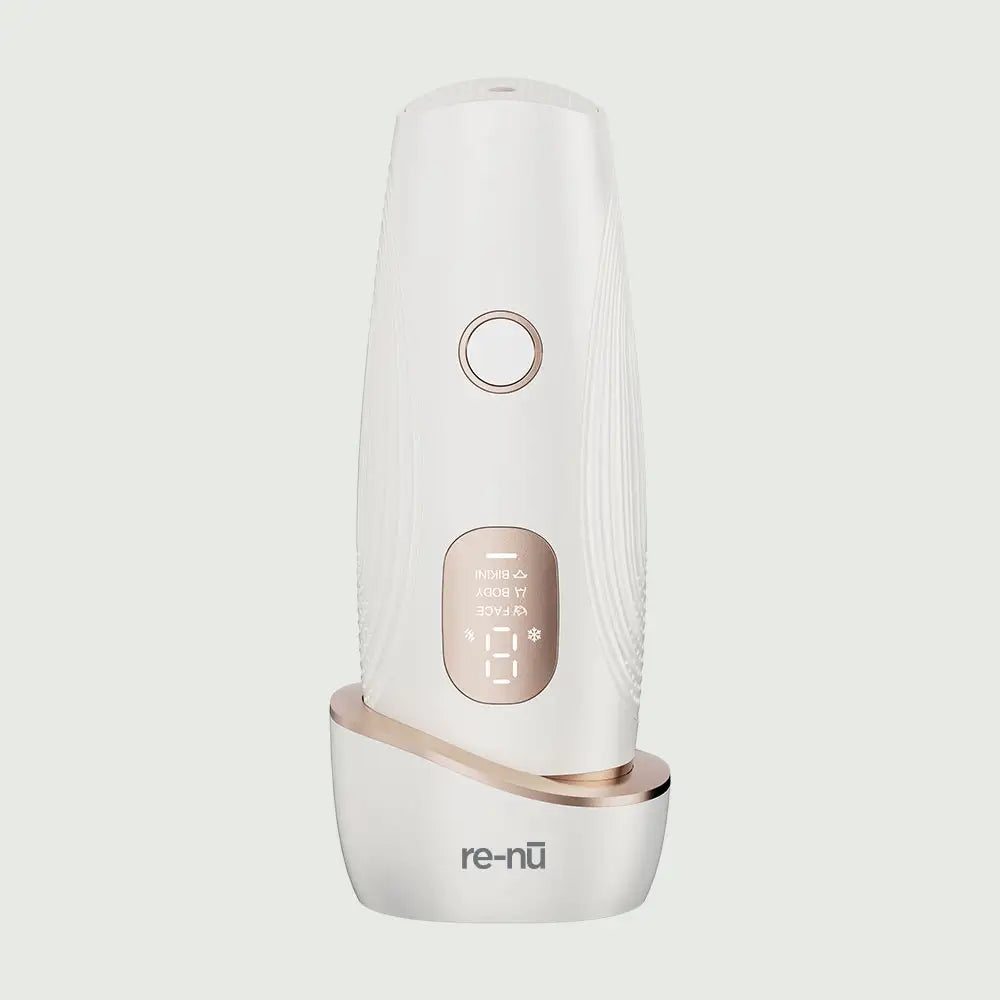
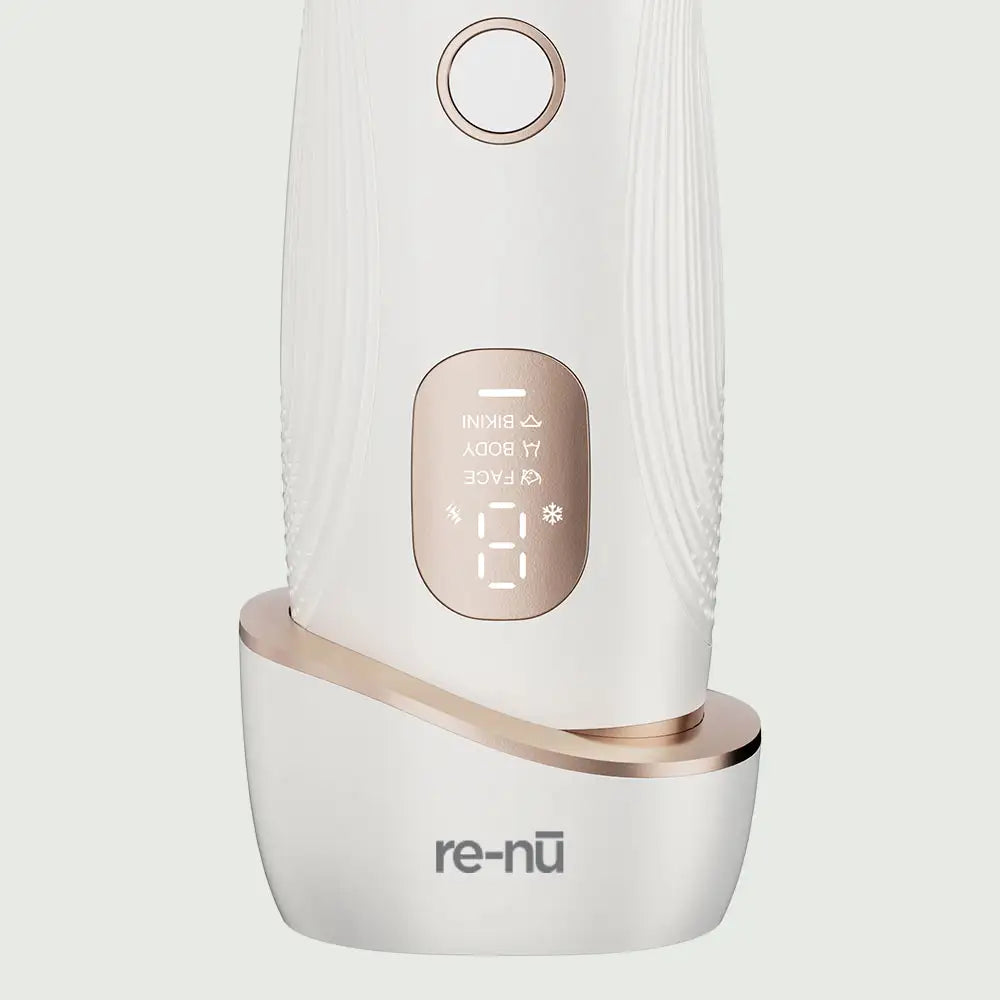
Type: Hair Removal
IPL Hair Removal Device - with Ice Cooling Tech
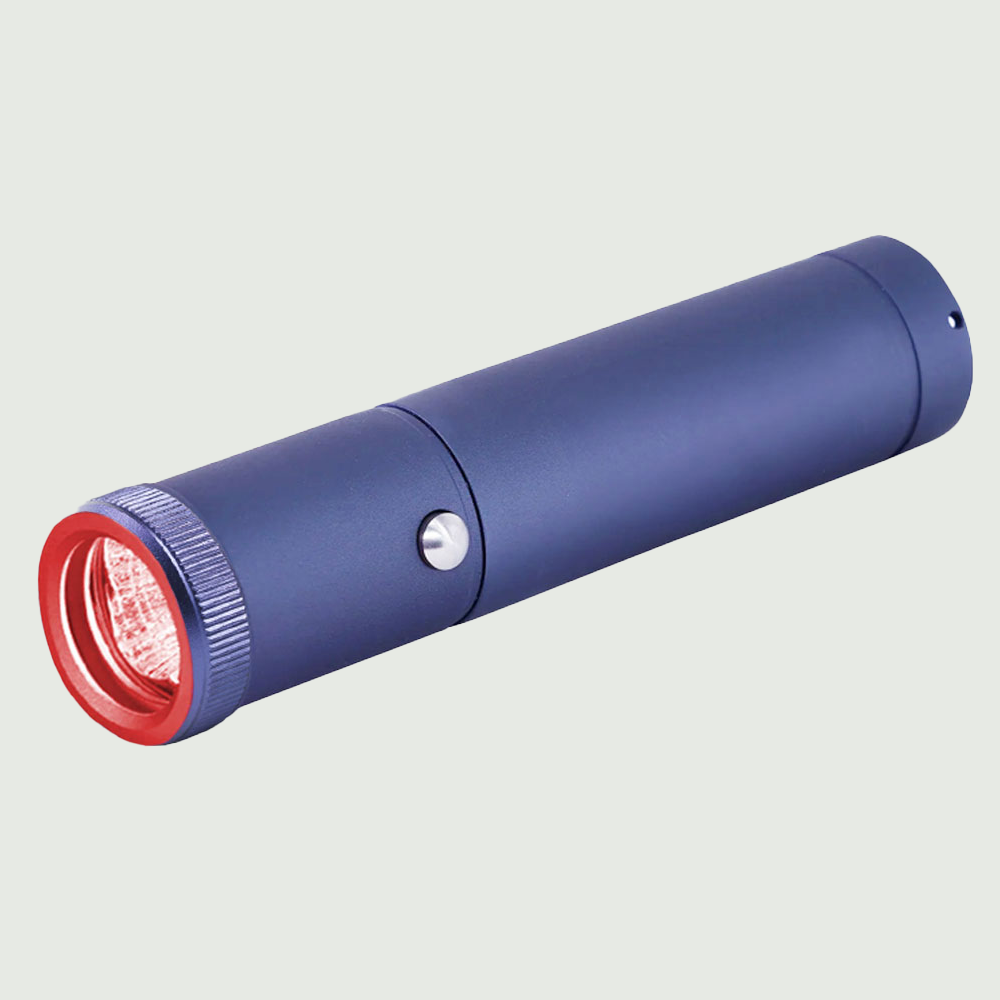
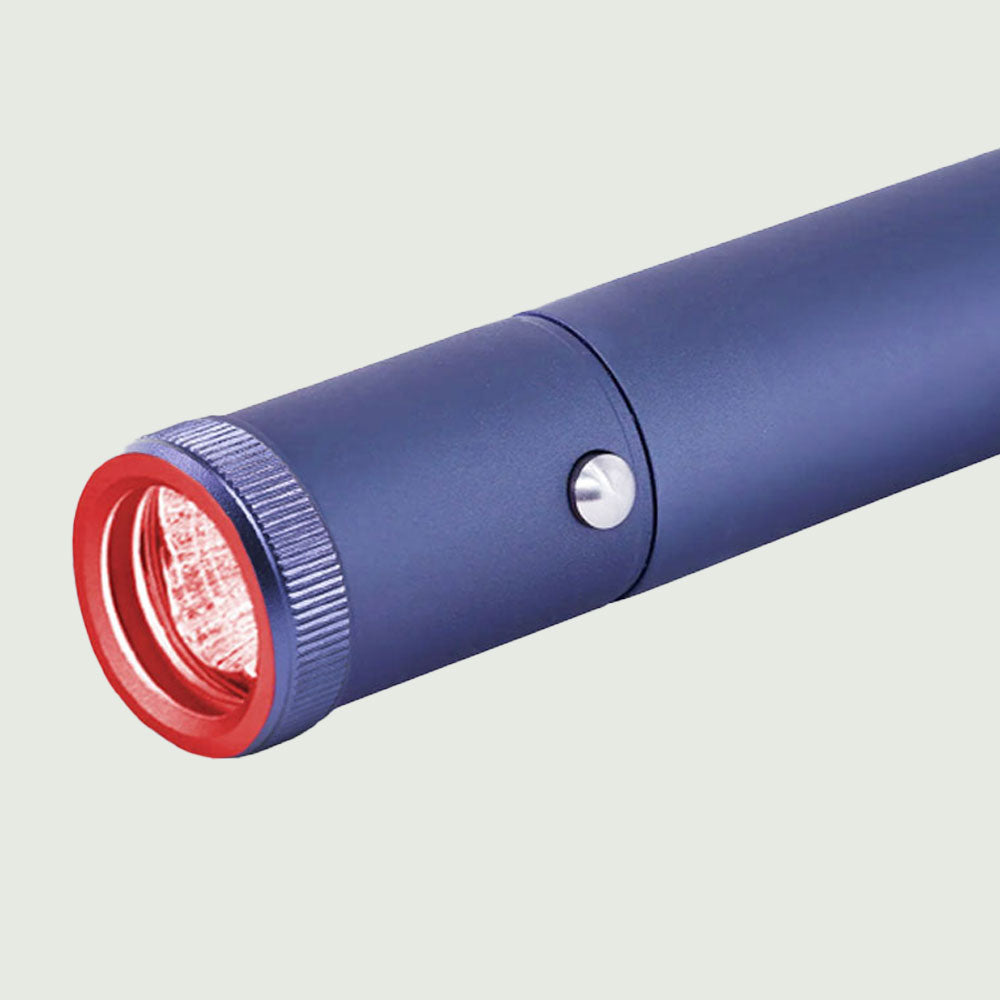
Type: LED Device
Red Light Torch - Skin Renewal & Radiance
Smart Beauty Starts Here

How Long to Use a Red Light Therapy Mask: Session Times, Frequency, and Benefits
Red light therapy masks have moved from the dermatologist's office to the nightstand, and for good reason. They are gentle, non-invasive, and easy to fit into a busy routine. But once your mask arrives, the first question is almost always the same: how long should you actually use it? At re-nū Smart Beauty, we design our red light therapy devices to make that answer simple. Below, we break down ideal session lengths, how often to use your mask, when to expect results, and the potential benefits that make red light therapy a favorite in at-home skincare. How Long Should You Use a Red Light Therapy Mask Per Session? For most LED face masks, the sweet spot is 10 to 20 minutes per session. That window gives your skin enough light exposure to support visible improvements without overdoing it. The right session length depends on your specific device, its light output, and its wavelengths. Here is how it works across our mask lineup: Liquid Silicone LED Mask: Each session runs on a built-in 10-minute automatic timer, so there is no guesswork. Wireless LED Mask: Offers 5, 10, or 15-minute timer settings. We recommend starting with 5 to 10 minutes and gradually working up to 15 minutes as your skin gets comfortable. 4D Laser Light Mask: Sessions last 15 to 20 minutes, and the hands-free design lets you multitask while you wear it. If you are new to red light therapy, start at the shorter end of your device's range and build from there. Always follow the instructions in your user manual, since timers are calibrated for safe, effective use. How Often Should You Use a Red Light Therapy Mask? Consistency matters more than marathon sessions. For most people, 3 to 5 sessions per week is ideal. Some masks, like our Liquid Silicone LED Mask, are designed for safe use up to once per day, while our 4D Laser Light Mask works best starting at 3 to 4 sessions weekly. Think of red light therapy like exercise for your skin. A steady routine over weeks delivers better results than an occasional long session. How Long Does It Take to See Results? Red light therapy works gradually. Many users begin noticing a brighter, more refreshed look within the first few weeks. With our 4D Laser Light Mask, users can expect noticeable firming and clarity within 2 to 4 weeks of consistent use. Deeper changes in texture, fine lines, and firmness typically build over 8 to 12 weeks. Results vary from person to person based on skin type, age, and consistency, so taking progress photos every couple of weeks is a great way to track your glow. Can You Use a Red Light Therapy Mask Too Much? Yes, more is not always better. Research on light therapy suggests skin responds best to a moderate dose of light, and going far beyond recommended session times does not speed up results. Overuse may lead to temporary dryness, tightness, or mild redness for some people. Stick to your device's built-in timer and recommended weekly frequency. If your skin feels irritated, scale back to fewer sessions or a lower intensity setting. Potential Benefits of a Red Light Therapy Mask Red light therapy uses specific wavelengths of light that are absorbed by the skin to support its natural renewal processes. Here are the benefits users love most: Smoother-Looking Skin and Softer Fine Lines Red light, typically in the 630 to 660 nm range, is associated with supporting the skin's natural collagen production. Over time, this may help improve the look of fine lines, wrinkles, and rough texture. Firmer, More Elastic Appearance Near-infrared light (around 850 nm) reaches deeper layers of the skin. Paired with red light, it may help skin appear firmer, more toned, and more resilient. Brighter, More Even Tone Regular sessions can help skin look more radiant and balanced, with less visible dullness and uneven tone. Calmer-Looking Skin Many users find that red and near-infrared light help skin look less red and more comfortable, making it a gentle option for sensitive complexions. Clearer Complexion Support Masks that include blue light, such as our Wireless LED Mask (460 nm) and Liquid Silicone LED Mask (415 nm), offer additional support for the look of clearer, blemish-prone skin. Non-Invasive with No Downtime Unlike harsh peels or in-office procedures, red light therapy is gentle and requires no recovery time. You can use your mask and carry on with your day. How to Get the Most Out of Every Session Start with clean, dry skin. Remove makeup and sunscreen so light can reach your skin without barriers. Choose the right mode. Use red and near-infrared for rejuvenation and smoothing, or blue light combinations for clarifying care. Adjust the intensity. Begin at a lower brightness and increase as your skin adapts. Follow with skincare. Apply your serum and moisturizer after your session to lock in hydration. Clean your mask. Wipe it down with a soft cloth after every use to keep it hygienic. Build a routine. Pair your session with something you already do daily, like your evening wind-down or morning coffee. Find the Right Red Light Mask for Your Routine Whether you want a simple, timed experience or advanced multi-wavelength coverage, there is a red light mask for your goals. The Liquid Silicone LED Mask offers 93 LEDs with red, blue, and infrared light in a soft, flexible fit. The Wireless LED Mask delivers 288 LEDs across red, blue, and near-infrared wavelengths with cord-free freedom. For the most advanced experience, the 4D Laser Light Mask uses over 140 focused laser-type light sources for precise, even coverage. Explore our full red light therapy collection and bring professional-grade skincare home. Red Light Therapy Mask FAQ How long should I wear a red light therapy mask? Most red light therapy masks are designed for sessions of 10 to 20 minutes. Follow your device's built-in timer and user manual for the best results. How many times a week should I use a red light therapy mask? For most users, 3 to 5 sessions per week is ideal. Some masks are safe for daily use, but consistency over time matters more than frequency. Can I use a red light therapy mask every day? Many masks, including the Liquid Silicone LED Mask, are designed for safe use up to once per day. Avoid multiple sessions in a single day, since extra exposure does not speed up results. Is it better to use a red light therapy mask in the morning or at night? Either works. Many people prefer evening sessions as part of a relaxing nighttime routine, while others enjoy a morning session for a refreshed look. Choose the time you can stick with consistently. Should I apply skincare before or after using a red light therapy mask? Use your mask on clean, dry skin, then apply serums and moisturizer afterward. Products applied beforehand can create a barrier that reflects or blocks light. When will I see results from a red light therapy mask? Many users notice brighter-looking skin within a few weeks. More noticeable changes in texture, firmness, and fine lines typically appear after 8 to 12 weeks of consistent use. Is red light therapy safe for all skin types? Red light therapy is gentle and generally suitable for all skin types, including sensitive, combination, and mature skin. If you have a skin condition, take photosensitizing medications, or are pregnant, consult a healthcare professional before use. Do I need eye protection when using an LED face mask? Keep your eyes closed during every session. Many masks include built-in eye shielding, and our 4D Laser Light Mask is designed so no separate eye protection is needed. Always follow the safety guidance in your manual. Does a red light therapy mask hurt or feel hot? No. Red light therapy masks are designed to be comfortable and do not produce harsh heat. You may feel slight warmth, but the experience should be relaxing and pain-free. Can a red light therapy mask help with breakouts? Masks that combine red light with blue light offer additional support for clearer-looking skin. Both our Wireless LED Mask and Liquid Silicone LED Mask include blue light modes for blemish-prone skin.
Learn more
What Makes Red Light Therapy Patches Easy to Use?
Skincare products fit more naturally into a routine when they're simple and practical to use. Red light therapy patches bring targeted light technology into a small, wearable format that requires little preparation or equipment. Their activation method, adhesive backing, flexible construction, and focused application all make use easy. Our Smart LED Patches combine hydrocolloid, salicylic acid, soothing botanicals, and Blue 460nm and Red 630nm LED light. Each element has a specific function within a blemish-focused skincare routine. This article explores the technology behind red light therapy patches and their benefits for the skin. A Small Format for Targeted Application Size matters when a skincare product is designed for a specific area. A patch needs enough surface area to cover the target spot while remaining comfortable on the skin. Red light therapy patches were created for individual blemishes rather than broad facial coverage. This format keeps the patch centered on the selected area and leaves the surrounding skin uncovered. Precise application also makes the process easy to repeat. After you cleanse and dry the skin, the patch simply sits over the target spot. Adhesion Makes Application Simple A patch must stay in place during wear. Adhesion is therefore an important part of its overall design. At re-nū Smart Beauty, our Smart LED Patches use an adhesive backing designed for direct skin contact. Clean, dry skin provides the right surface for application. The process follows a few steps: Cleanse the skin with a gentle cleanser. Pat the area completely dry. Pull the tab to activate the patch. Remove the protective film. Position the patch over the target area. Press gently to ensure full contact with the skin. Leave the patch in place for up to 6–8 hours. Carefully lift the patch after use. The pull tab gives the patch a clear activation point. No separate device needs to be positioned or operated. Flexibility Promotes Comfortable Wear Facial skin moves throughout the day. Talking, eating, making expressions, and sleeping all involve movement around the application area. A lightweight patch with a flexible construction is better suited to these everyday movements. Its low-profile format keeps the product close to the skin during its recommended wear period. The 6–8-hour wear time also works well with nighttime skincare. Applying a patch before bed creates a defined period for targeted care without needing repeated applications. Placement Matters Correct placement allows the patch to sit directly over the area receiving care. The surface should make full contact with clean, dry skin. Smart LED Patches are intended for blemish-focused application. Suitable areas may include individual spots on the cheeks, forehead, chin, or jawline. Avoid placing patches where they may not adhere properly. Keeping the skin clean and dry before application also supports a secure fit. Blue and Red Light in One Patch The Smart LED Patch uses two LED wavelengths in a single product. Blue light at 460nm supports clearer-looking skin and a more balanced complexion. Red light at 630nm helps visibly calm redness and supports natural skin renewal. The patch also includes ingredients selected for targeted blemish care. Hydrocolloid Hydrocolloid absorbs excess fluid and impurities while creating a protective, moisture-balanced environment around the target area. Salicylic Acid Salicylic acid gently exfoliates pore-clogging buildup. This supports clearer-looking skin and a smoother texture. Botanical Ingredients Soothing botanicals support stressed-looking skin and help calm the appearance of visible redness. They also support the skin's moisture barrier. These ingredients and light wavelengths give the patch several complementary functions within one application. Portability Fits Different Routines The individual patches take up little space, making storage simple at home or while traveling. The compact packaging also keeps the patches organized and ready for use. At re-nū Smart Beauty, we designed the format around convenient storage and easier access. A patch does not require bottles, applicators, or additional equipment. This makes it easy for routines that move between different locations. Decorative Stickers Add a Special Touch The Smart LED Patch also includes optional decorative stickers. After application, you can place a sticker over the patch for a personalized look. The sticker does not change the basic application process. It simply gives the patch a different look for those who prefer a more customized style. What Good Patch Design Should Provide Some details determine whether a patch feels easy to use. Each one addresses a different part of the experience: Activation: A pull tab makes the LED patch simple to turn on. Application: Adhesive backing keeps the patch positioned over the target area. Wear: A lightweight, flexible construction supports several hours of use. Placement: The small format allows targeted application over individual blemishes. Storage: Compact packaging makes the patches easy to keep organized. Customization: Decorative stickers provide an optional personal detail. The application is simple and easy to follow. Smart Design for Targeted Skincare Good skincare design considers what happens before, during, and after application. The product needs clear activation, reliable adhesion, suitable wear time, and a format that works with the skin. The Smart LED Patches bring these details together with Blue 460nm and Red 630nm LED light, hydrocolloid, salicylic acid, and botanical ingredients. The result is a targeted skincare format designed for easy at-home use. The patch stays focused on the selected area while the rest of the skincare routine remains unchanged. Discover Smart LED Patches from re-nū Smart Beauty At re-nū Smart Beauty, we created Smart LED Patches that combine targeted LED technology with ingredients selected for blemish-focused care. The simple activation process, flexible design, and 6–8-hour wear time make them easy to incorporate into a regular skincare routine. Explore our red light therapy products for a simple way to support at-home skincare.
Learn more
5 Benefits of Using a Red Light Therapy Wand
A good skincare routine should feel easy to stick with. That is where LED light therapy fits in. It adds a few minutes to a routine while targeting concerns such as fine lines, wrinkles, and breakouts. A red light therapy wand also adds flexibility to your skincare routine. The LED Light Therapy Wand from re-nū Smart Beauty uses both red and blue LED light, with different settings for different skin concerns. Its lightweight design and rotating massage head make it easy to use at home. Here are five benefits that make LED light therapy worth adding to a skincare routine. Supports a Firmer, Smoother Look Fine lines and wrinkles are a natural part of getting older. Still, many skincare routines focus on keeping skin looking firm and smooth. Red LED light supports collagen production in the skin. Collagen helps maintain skin structure and elasticity. With regular use, light therapy may support a smoother appearance and reduce the look of fine lines over time. The goal is simple: give the skin an extra step of care without making your routine complicated. What red light targets Red light is commonly used in skincare routines focused on: Fine lines and wrinkles Loss of firmness Uneven skin texture Dull-looking skin Helps Keep Breakouts Under Control Acne deserves a different approach from fine lines. That is where blue LED light comes in. Blue light targets acne-causing bacteria on the skin. It also helps support calmer-looking skin around blemishes. Having both red and blue light settings in one device makes it easier to adjust your routine based on your skin's current needs. For example, red light may be the preferred setting when focusing on signs of aging. Blue light works better for routines focused on breakouts. Turns Skincare Into a More Relaxing Ritual Skincare should also feel enjoyable. The LED Light Therapy Wand includes a 360° rotating massage head that adds a gentle massage while the device moves across the face. This feels especially nice at the end of a long day. The massage head also fits naturally into a skincare routine with serums or moisturizers. Start with clean skin, then glide the wand gently across the face. Slow, upward movements keep the process comfortable while giving the routine a little extra attention. At re-nū Smart Beauty, we designed the wand to make this kind of daily ritual easy to maintain. Fits Into a Busy Schedule Long skincare routines are easy to postpone. A short treatment is much easier to work into the day. The recommended treatment time for the LED Light Therapy Wand is 5–10 minutes. That leaves plenty of time to use it while getting ready in the morning or winding down at night. A simple way to use it Cleanse your skin to remove makeup, oil, and dirt. Choose the light setting that matches your skincare needs. Glide the wand gently across the face using upward movements. Continue for 5–10 minutes, following the product instructions. Finish your routine with a moisturizer or serum. The adjustable intensity also lets users choose a comfortable level for their skin. Makes LED Skincare Easy to Take Anywhere A skincare device doesn't have to stay in the bathroom. The wand has a lightweight, portable design and a rechargeable USB battery. That makes it convenient for travel, weekends away, or simply moving between rooms at home. No cord needs managing during treatment, and its compact size makes storage simple. For anyone who likes keeping a consistent routine while traveling, this portability is especially useful. Why Use Red and Blue Light Together? Red and blue LED light serve different purposes. Having both options adds versatility to your skincare routine. Red light focuses on concerns associated with visible aging, including fine lines and loss of firmness. Blue light focuses on acne-causing bacteria and blemishes. Skin needs can also change from week to week. Two light settings let you adjust the routine instead of relying on a single approach. Consistency matters, too. Following the recommended treatment schedule gives the routine time to become a regular skincare habit. A Few Things to Keep in Mind LED light therapy is gentle and non-invasive, but following the product instructions is still important. Use the device as directed and choose an intensity that feels comfortable. If you have a light-sensitive condition or questions about using LED devices, speak with a qualified healthcare professional before treatment. Make LED Light Therapy Part of the Routine Adding LED light therapy doesn't have to complicate your skincare routine. A few minutes with the right device can become a simple part of the morning or evening routine. At re-nū Smart Beauty, our LED Light Therapy Wand brings red and blue LED technology, adjustable intensity, and a rotating massage head together in a portable design. Ready to add LED light therapy to your skincare routine? Explore the LED Light Therapy Wand from re-nū Smart Beauty and find a treatment routine that fits your day.
Learn morePractice red light therapy at home with gentle yet powerful devices, including but not limited to red light therapy masks, patches and panels. Target broad areas such as the whole face, or localized patches of skin with our versatile red light therapy devices, designed to gently stimulate cellular activity in a process called photobiomodulation. These red light treatments may potentially improve skin tone, alleviate irritation, and even possibly reduce inflammation as well as the presence of fine lines and wrinkles.
Explore our collection here!