
Red light therapy has moved from niche dermatology clinics into mainstream skincare conversations. Once associated primarily with wound healing and pain management, it is now widely discussed as a non-invasive option for managing acne. But how effective is red light therapy really when it comes to clearing breakouts, calming inflammation, and improving overall skin clarity?
To answer that properly, it helps to understand what acne actually is, how red light therapy interacts with skin biology, and where its strengths and limitations lie.
Understanding Acne at Its Root
Acne is not caused by a single issue. It develops from a combination of factors happening beneath the surface of the skin:
- Overproduction of oil (sebum)
- Blocked pores due to dead skin cell buildup
- Inflammation within the follicle
- Bacterial activity, especially Cutibacterium acnes
- Hormonal fluctuations and stress responses
Because acne is multifactorial, no single treatment works perfectly for everyone. Effective acne management usually involves reducing inflammation, regulating oil production, supporting skin healing, and preventing new blockages. This is where red light therapy enters the conversation.

What Red Light Therapy Actually Does
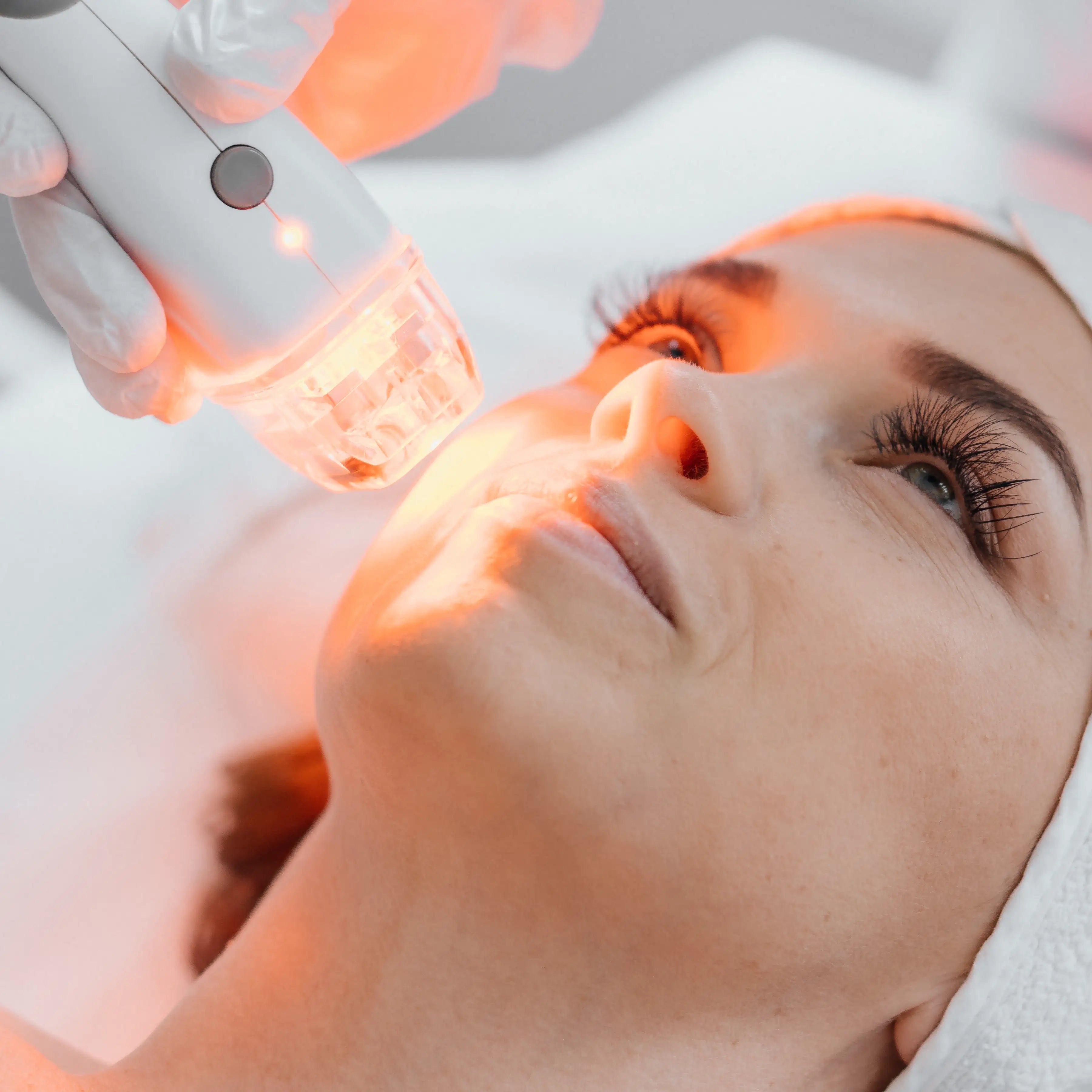
Red light therapy uses specific wavelengths of visible red light that penetrate the skin more deeply than many topical treatments. Unlike harsh chemical exfoliants or drying agents, red light works by interacting with cells rather than stripping or irritating the skin.
At a cellular level, red light stimulates mitochondria, the energy-producing structures inside skin cells. This stimulation potentially increases cellular energy output, which supports tissue repair, circulation, and anti-inflammatory processes.
For acne-prone skin, this matters because inflammation is a major driver of redness, swelling, pain, and long-lasting marks.
Red Light Therapy and Inflammation Reduction
One of the most consistently documented effects of red light therapy is its ability to calm inflammation. Acne lesions are inflamed by nature, whether they are papules, pustules, cysts, or nodules. By reducing inflammatory signaling in the skin, red light therapy can help:
- Decrease redness around active breakouts
- Reduce swelling and tenderness
- Calm irritated skin that is reactive to topical treatments
This anti-inflammatory effect is often the first benefit users notice. Skin may look calmer and less angry even if blemishes are still present early on.
Does Red Light Kill Acne-Causing Bacteria?
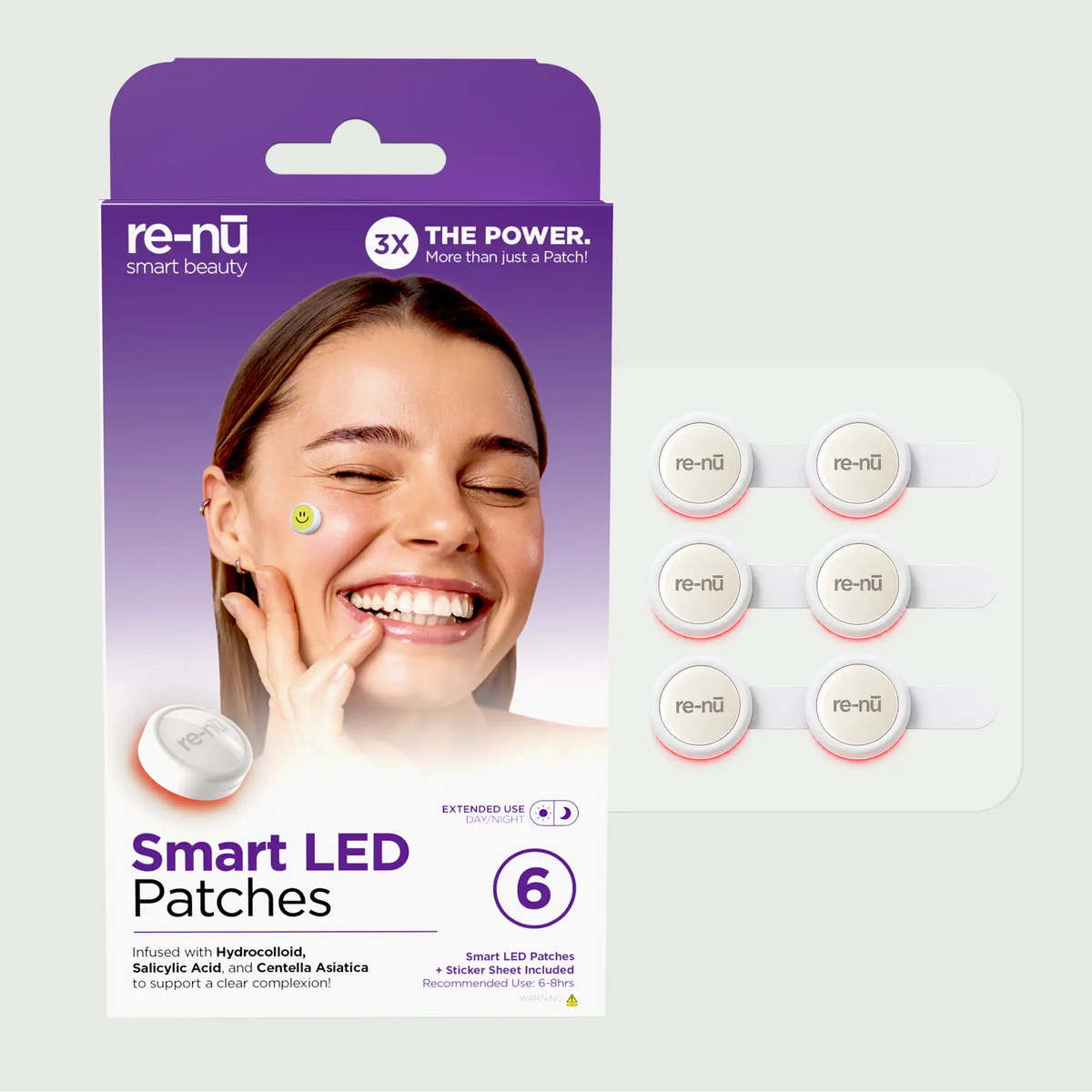
This is an important distinction. Red light therapy is not primarily antibacterial. Blue light therapy is the modality most often associated with directly targeting acne-causing bacteria, and is the key to one of our most popular acne tools, our Smart LED patches, which are especially effective for spot treatment. Red light works differently, however.
Rather than killing bacteria outright, red light helps improve the skin’s environment. By enhancing circulation, reducing inflammation, and supporting immune responses within the skin, it helps the body manage bacterial activity more effectively. For many people, this indirect support is enough to reduce the frequency and severity of breakouts over time.
Because it is somewhat gentler than blue light, red light therapy is often better tolerated by sensitive or dry skin types.
Healing Active Acne Faster
One area where red light therapy tends to perform especially well is in accelerating healing. Acne lesions that linger are more likely to leave behind dark marks, redness, or textural changes.
Red light supports faster skin repair by:
- Improving blood flow to damaged tissue
- Encouraging collagen production
- Supporting cellular turnover without exfoliation
This can mean pimples resolve more quickly and with less residual redness or post-acne marks.
Impact on Acne Scarring and Texture
While red light therapy is not a standalone solution for deep acne scars, it can potentially improve overall skin texture when used consistently. By stimulating collagen and elastin production, it may help soften shallow scars and improve uneven skin tone.
For people dealing with post-inflammatory redness or discoloration after acne heals, red light therapy can be particularly helpful as part of a long-term skin recovery routine.
Oil Production and Hormonal Acne
Red light therapy does not directly regulate hormones or shut down oil glands. However, inflammation and stress play a role in hormonal acne flare-ups. By calming the skin and supporting healthier cellular function, red light therapy may help reduce the severity of hormonally driven breakouts over time.
It tends to be more effective for inflammatory acne than purely comedonal acne, such as blackheads and whiteheads caused primarily by clogged pores.

Consistency Matters More Than Intensity
One of the biggest misconceptions about red light therapy is expecting dramatic overnight results. Acne improvement with red light therapy is gradual. Benefits accumulate with consistent use rather than aggressive exposure.
Most people who see meaningful results use red light therapy several times per week over multiple weeks. Improvements often appear in stages:
- Reduced redness and irritation
- Faster healing of active breakouts
- Fewer inflammatory flare-ups
- Improved overall skin tone and resilience
Because it is non-damaging, red light therapy can be used alongside other acne treatments without compromising the skin barrier.
Who Benefits Most from Red Light Therapy for Acne?
Red light therapy tends to work best for:
- Inflammatory acne with redness and swelling
- Adult acne linked to stress and inflammation
- Sensitive skin that cannot tolerate harsh treatments
- Skin recovering from aggressive acne regimens
It may be less effective on its own for severe cystic acne or acne driven primarily by deep hormonal imbalances, but even in those cases, it can provide supportive benefits.
Red Light Therapy vs Traditional Acne Treatments
Unlike topical acne medications that focus on drying oil or killing bacteria, red light therapy focuses on strengthening the skin itself. This makes it appealing to people who experience peeling, irritation, or long-term sensitivity from conventional treatments.
It does not replace proper cleansing, balanced skincare, or medical treatment when needed, but it can significantly improve skin tolerance and healing when used as part of a broader routine.
So, How Well Does Red Light Therapy Get Rid of Acne?
Red light therapy is not a miracle cure, but it is a powerful supportive tool. It excels at reducing inflammation, accelerating healing, calming redness, and improving overall skin health. For many people, these benefits translate into fewer breakouts, faster recovery, and clearer-looking skin over time.
When used consistently and realistically, red light therapy can play a meaningful role in acne management, especially for those seeking a gentle, non-invasive approach that works with the skin rather than against it.
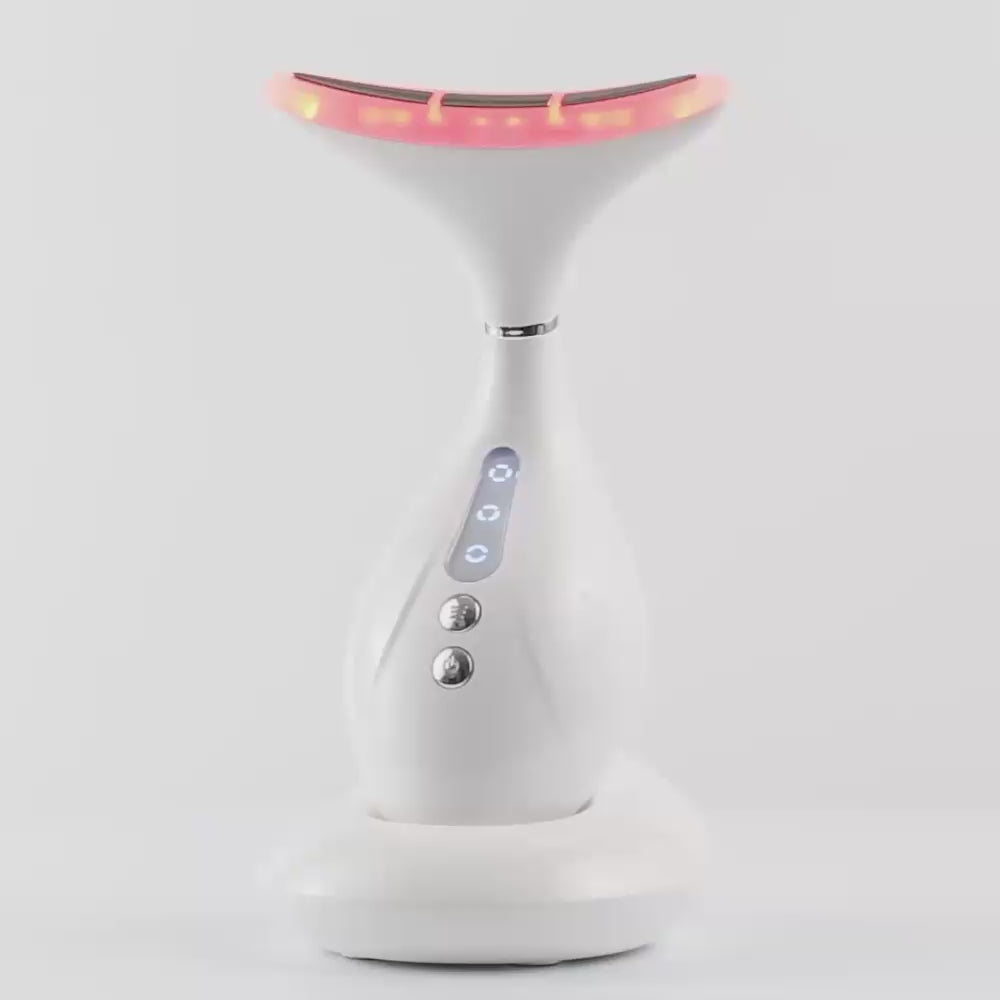
Clearer skin, in this case, is less about fighting acne aggressively and more about creating an environment where acne struggles to thrive. If you’re interested in this modern approach to skincare, consider browsing our selection of at home skincare devices, which include red light therapy masks, and a wide range of other useful tools.