
If you've just left your injector's office and you're eyeing the LED mask on your nightstand, you're not alone. Is it safe to do red light therapy after Botox? The short answer most aesthetic professionals give is yes, but timing is the part that actually matters.
Below, we'll walk through what the current science suggests, why the waiting period exists, and which red light therapy devices tend to pair best with post-injection care.
How Botox Works and Why Timing Matters
Botox is a purified botulinum toxin that's injected into specific facial muscles to temporarily soften the movement that creates expression lines. After the injection, the protein needs a little time to bind to the right nerve receptors and settle into the targeted muscle. That settling window is the reason post-procedure aftercare exists at all.
Most guidance you'll find from dermatologists and injectors centers on one idea: in the first day or two, you want to avoid anything that could theoretically move the product before it binds where it's meant to. That typically means steering clear of intense heat, firm pressure, vigorous massage, and aggressive facial treatments in that early window. The concern isn't red light specifically but heat and manipulation in general.
Why Most Experts Suggest Waiting 24–48 Hours
Across reputable sources, the recommended pause before resuming LED therapy after Botox is generally 24 to 48 hours. The reasoning is consistent: giving the neurotoxin time to settle helps reduce the chance of it diffusing away from the intended muscle, which could lead to uneven or less predictable results.
It's worth understanding why red light is usually viewed as gentle in this context. Red light therapy — also called photobiomodulation or LED therapy — uses low-level red and near-infrared wavelengths to support cellular activity. Standard LED panels and masks are designed around light energy, not intense heat, which sets them apart from saunas, hot yoga, or heat-based devices that aftercare instructions typically warn against. That low-heat profile is a big part of why many providers consider LED a reasonable adjunct once the initial settling window has passed.
If you're experiencing noticeable swelling or bruising, it's reasonable to wait a little longer, and your injector may suggest as much. When in doubt, the safest move is never to guess, it's to ask the person who did your injections.
Does Red Light Therapy Shorten How Long Botox Lasts?
This is a fair worry, and the reassuring news is that current sources don't point to red light therapy chemically breaking down Botox or making it wear off faster when it's used after an appropriate waiting period. Botox typically lasts around three to four months depending on the individual, and standard LED therapy uses low-level light rather than the intense heat that aftercare guidance flags as a concern.
The bigger variable is how you use your device in those first 48 hours, specifically whether it adds heat or pressure to a freshly injected area. Once you're past the early window and using a device as directed, there's no strong clinical evidence suggesting LED therapy compromises your results.
How Red Light Therapy May Support Your Skin After Botox
Beyond simply being compatible, red light therapy is often used to complement injectables. Research and clinical use suggest red and near-infrared light may help calm inflammation, support the skin's natural recovery processes, and encourage collagen activity over time. Many people fold it into their routine to soothe residual redness or minor swelling and to support overall skin tone and texture, areas Botox itself doesn't address.
Think of it as a division of labor: Botox softens movement-related lines, while red light therapy works on the surface quality and overall health-of-appearance of your skin. Used together over time, they can be a more well-rounded approach to looking refreshed.
Choosing the Right Red Light Therapy Device for Post-Botox Care
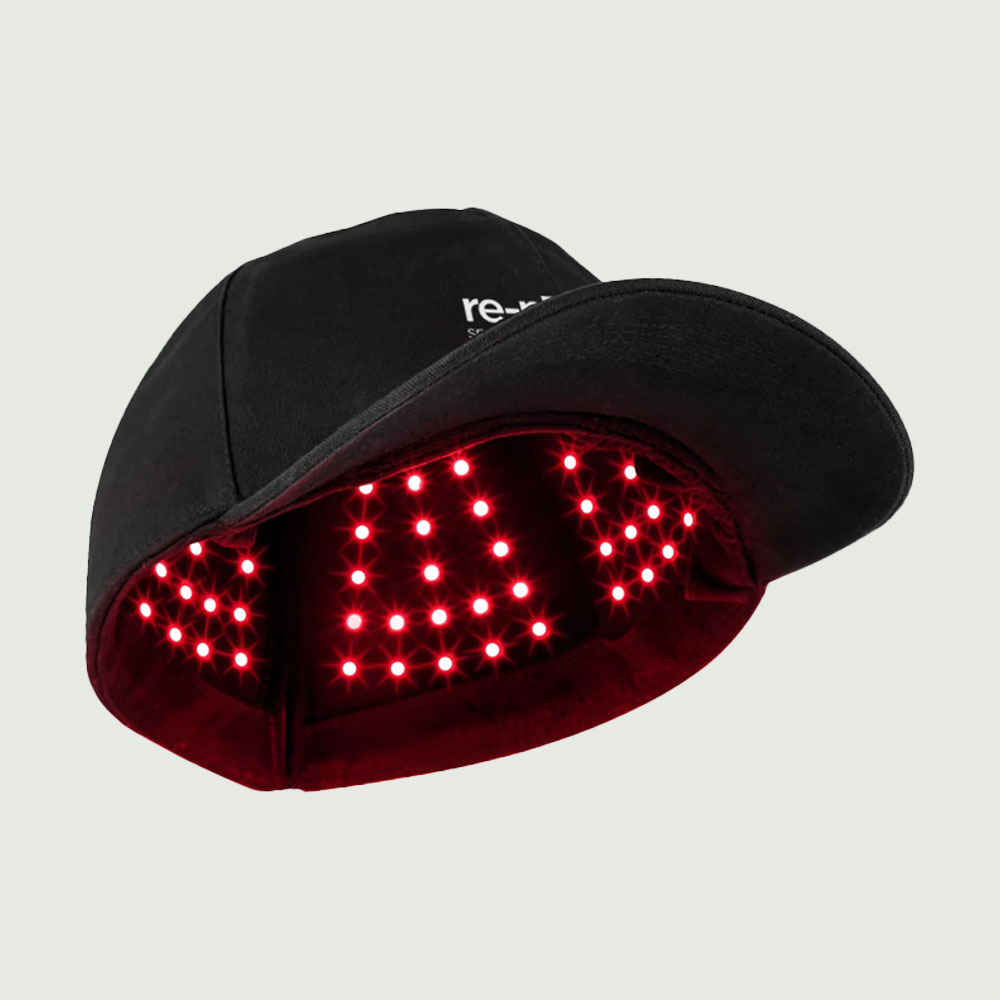
When you're caring for recently treated skin, the most important device feature is simple: minimal pressure on the injection site. Here's how our red light therapy device collection breaks down for this use case.
Hands-free panels (gentlest on freshly treated skin). Because a panel never touches your face, it applies zero pressure to the injection area, which makes it an especially sensible pick as you ease back in. Our UltraThin LED Red Light Panel is a slim, hands-free option with red, near-infrared, and blue wavelengths, while the LED Red Light Therapy Panel – Tabletop and the LED Red Light Panel Pro with Adjustable Stand let you position light at a comfortable distance for a relaxed, no-contact session.
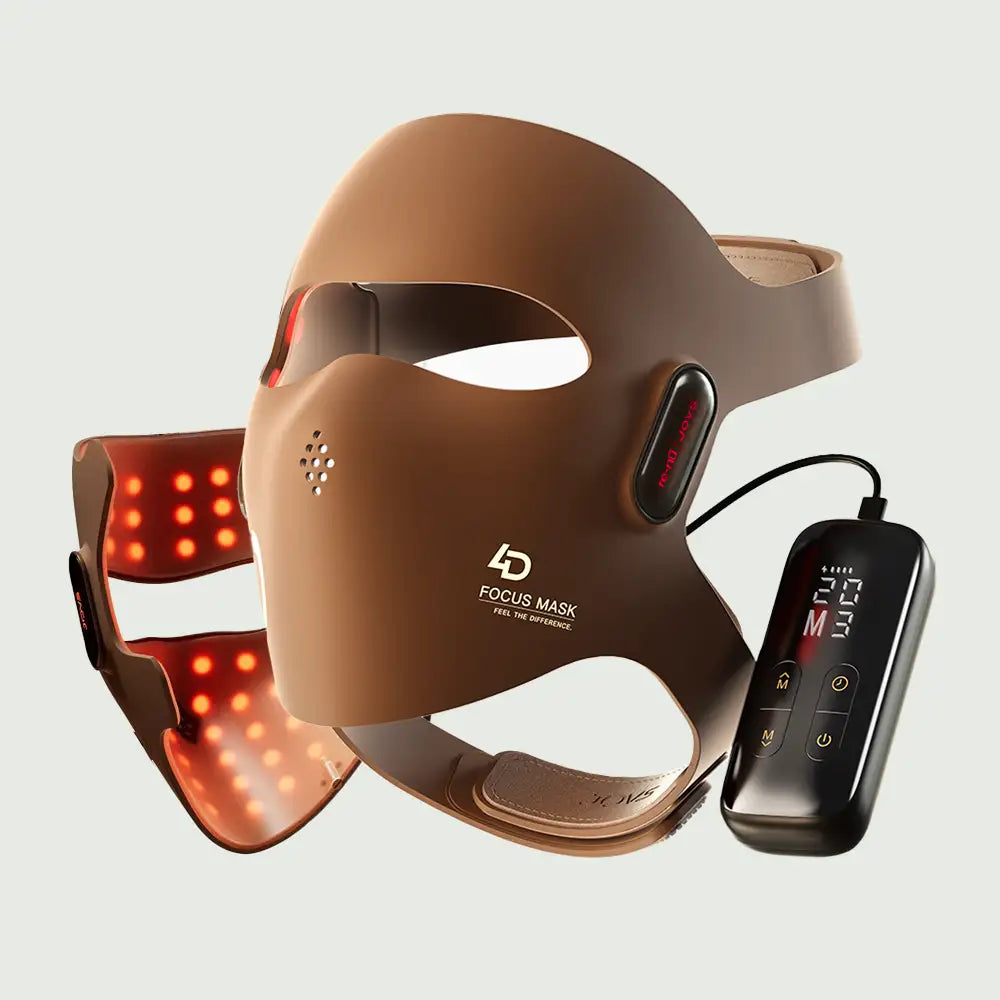
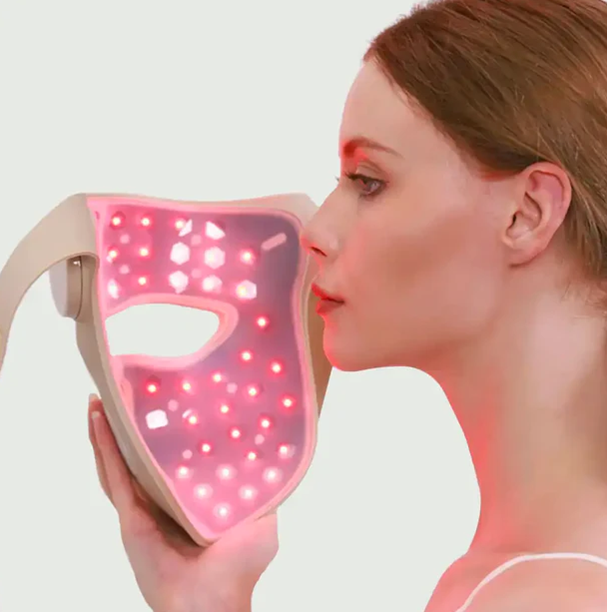
LED masks (great once you're past the waiting window). Masks offer even, full-face coverage, but they do rest lightly against the skin, so they're best reserved for after your 24–48 hour wait rather than immediately post-injection. Options like our Wireless LED Mask and the Multi-Color Light Therapy Mask deliver convenient, hands-free coverage once your skin has settled.
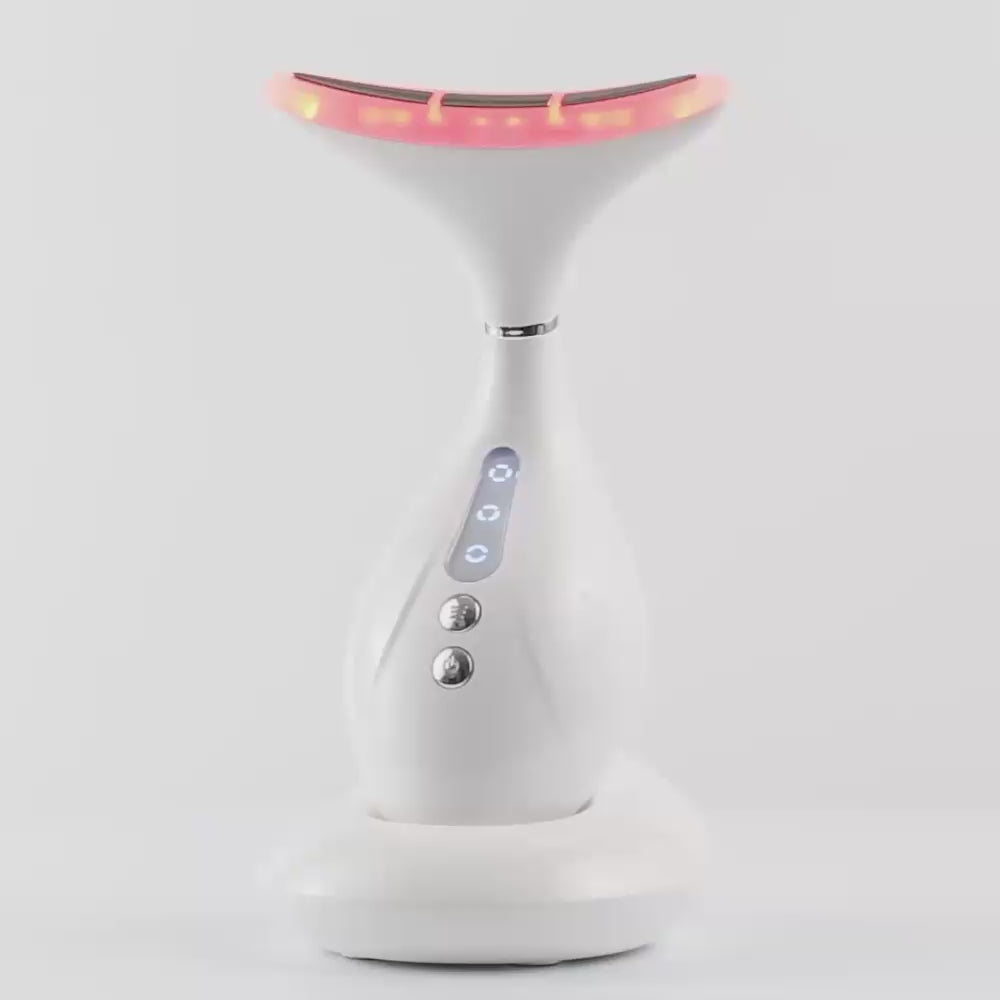
Targeted tools. For spot-treating specific areas without broad contact, the Red Light Torch offers precise, focused application.
Whatever you choose, look for devices using clinically referenced red light wavelengths, typically red light around 630–660 nm and near-infrared around 810–850 nm, and keep sessions in the standard 10–20 minute range.
A Simple Post-Botox Red Light Routine
Once you've been cleared by your provider and the initial window has passed, a gentle, consistent rhythm tends to work well: short sessions a few times per week, easing in rather than overdoing it. Many people start with two to three sessions weekly in the first couple of weeks, then settle into a maintenance cadence. Avoid pressing a device firmly into treated areas, skip anything that generates real heat early on, and let comfort be your guide.
The Answer to Botox and Red Light Compatibility
So, can you do red light therapy after Botox? Generally yes, once you've given your injections 24 to 48 hours to settle, used a low-heat LED device, and avoided pressure on the treated area. Red light therapy isn't known to undo your results, and it may even support a smoother, more radiant recovery. The smartest first step is always a quick check-in with your injector, who can tailor timing to your skin.
When you're ready to build red light therapy into your routine, our collection of LED devices makes it easy to find a gentle, at-home option that fits your skin and your schedule.
This article is intended to be educational and not medical advice. Botox is a prescription treatment, and your injector knows your skin and your specific plan better than anyone. Always follow their aftercare instructions first.