

Red light therapy has become one of the most talked-about wellness tools of the decade, praised for smoother skin, faster recovery, and less inflammation. So it's no surprise that expecting mothers are asking the obvious question: can you use red light therapy while pregnant?
At re-nū Smart Beauty, we believe the honest answer matters more than a comfortable one. Below is a clear, unbiased look at what the science actually says, what OB-GYNs recommend, and why the postpartum period is often when red light therapy delivers its most meaningful results.
The Short Answer on Using Red Light Therapy While Pregnant
There is no published evidence that red light therapy (also called photobiomodulation, or PBM) is harmful during pregnancy when used on areas away from the abdomen. However, large-scale clinical trials specifically on pregnant women are very limited, so most experts, including OB-GYNs and dermatologists, recommend a very conservative approach here: avoid the belly, lower back, and pelvis, keep sessions short and localized, and always talk with your provider before starting.
For those who are interested in exploring red light therapy while pregnant, let's dig a little deeper.
What Red Light Therapy Actually Is
Red light therapy uses low-level wavelengths of visible red light (typically 630–660 nm) and near-infrared light (810–850 nm) to stimulate mitochondrial activity in your cells. Unlike UV light, these wavelengths are non-ionizing, meaning they cannot damage DNA or cause the kind of cellular harm associated with tanning beds or sun overexposure.
This is the same category of light medicine used in NICUs to treat jaundiced newborns and in dermatology clinics for wound healing. That context matters when weighing pregnancy safety.
What the Research Says About Pregnancy Safety
Here's what we know:
- No teratogenic effects have been documented in animal studies of low-level laser and LED therapy.
- A 2021 review in Lasers in Medical Science found no harmful effects when low-level light therapy was used on the skin during pregnancy.
- Low-level laser therapy (LLLT) has been used clinically during pregnancy for TMJ and dental pain without reported adverse effects.
- Dr. Michael Hamblin, one of the world's leading researchers in photobiomodulation, has publicly stated he does not believe light medicine is harmful during pregnancy, particularly when the abdomen is not directly treated.
At the same time, most consumer device manufacturers include pregnancy in their "not recommended" language, partly as a legal precaution, partly because pregnancy-specific clinical trials are genuinely sparse. This means that the actual hard evidence on whether or not it is completely safe is still largely unknown. Absence of harm is not the same as confirmed safety, but it also isn't evidence of risk.
What OB-GYNs Typically Recommend
Most physicians who are familiar with red light therapy agree on a common-sense framework during pregnancy:
- Avoid direct treatment over the abdomen, uterus, lower back, and pelvis. Near-infrared wavelengths can penetrate several centimeters into tissue, and there is simply not enough long-term data on fetal exposure.
- Keep treatments localized: face, neck, shoulders, arms, hands, knees, ankles, and feet are generally considered lower-risk zones.
- Shorten sessions. Ten minutes on a targeted area is very different from a 30-minute full-body panel exposure.
- Use eye protection and follow manufacturer distance guidelines.
- Talk to your OB-GYN or midwife first, especially if you have a high-risk pregnancy, are taking photosensitizing medications, or have conditions like melasma, lupus, or a history of skin cancer.
Pregnant women commonly use red light therapy on the face for pregnancy-related acne, melasma, and dryness; on the shoulders and hips for musculoskeletal pain; and on the legs for circulation. These uses have the strongest anecdotal safety record.
What to Avoid During Pregnancy
- High-intensity full-body panels aimed at the torso
- Abdominal or lower-back treatment
- Treatments layered with photosensitizing skincare (retinoids, certain antibiotics, essential oils)
When in doubt, err on the side of restraint. Pregnancy is not the moment to experiment.
Why Postpartum Is Where Red Light Therapy Really Shines
If pregnancy is the "proceed with caution" chapter, the postpartum period is where red light therapy earns its reputation. The research base here is significantly stronger, and this is when many women actively seek out skin and recovery support.
Skin recovery and stretch marks
Red light stimulates fibroblast activity and collagen and elastin production, helping skin regain elasticity after the rapid stretching of pregnancy. Consistent use over 6–12 weeks is often when visible improvement in stretch marks and skin tone emerges.
C-section and perineal healing
Photobiomodulation is well-documented to accelerate wound healing, reduce inflammation, and support healthier scar formation rather than dense, rigid scar tissue. Once your provider clears the incision or tear for treatment, red light can be a gentle adjunct to recovery.
Postpartum hair loss
Telogen effluvium, the shedding many mothers experience 2–4 months postpartum, often responds well to red light stimulation of the scalp, which supports follicle activity and circulation.
Musculoskeletal pain
Nursing posture, carrying a newborn, and pelvic recovery all take a toll. Red and near-infrared light can ease back, neck, wrist, and joint discomfort without medication.
Mood and sleep
A 2023 meta-analysis found light therapy significantly improved depression scores and sleep quality in new mothers, with stronger effects after six weeks of consistent use.
Breastfeeding support
The U.S. National Library of Medicine's LactMed database considers phototherapy compatible with breastfeeding. Red light has been studied for reducing nipple pain and supporting tissue healing from latch trauma. As always, avoid direct treatment over the areola immediately before nursing and follow your lactation consultant's guidance.
Choosing a Red Light Device You Can Trust
Not all red light devices are created equal. When you're evaluating a device for pregnancy-adjacent or postpartum use, look for:
- Clearly published wavelengths in the therapeutic range (typically 630–850 nm)
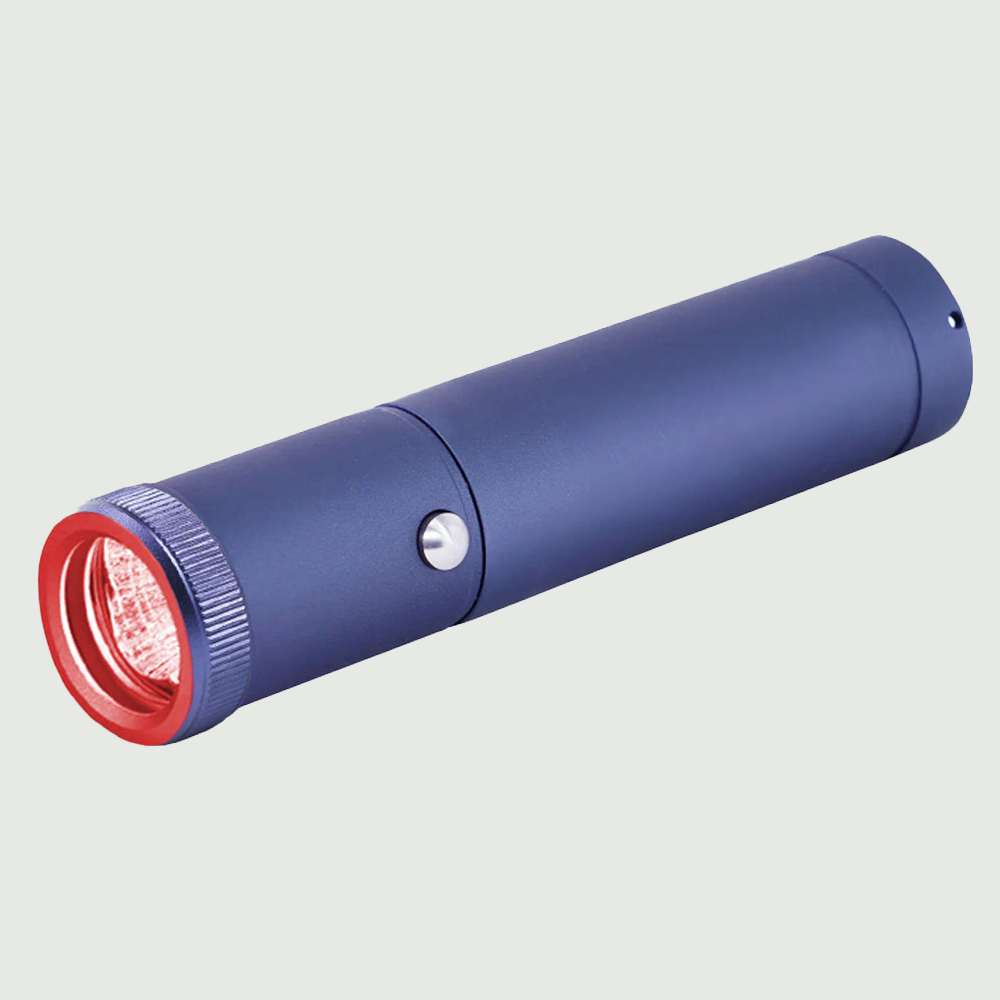
- Targeted form factors (masks, wands, and small panels) that make it easy to treat specific areas rather than the whole body
- Transparent manufacturer guidance on distance, duration, and contraindications
You can browse curated, wavelength-verified options in our red light therapy collection, which includes face masks, handheld wands, and targeted panels suited to postpartum routines.
The Best Times to Use Red Light Therapy Based on Data
Can you use red light therapy while pregnant? The most honest answer is: probably yes, in a limited and localized way, with your provider's blessing, and definitely not directly over the belly. The evidence points toward safety, but the evidence base is small enough that caution is warranted.
Should you use red light therapy postpartum? For most healthy new mothers, this is where the risk-benefit calculation shifts decisively in favor of use. From C-section scars to stretch marks, hair regrowth to sleep, red light therapy is one of the few tools that can support multiple dimensions of postpartum recovery in a single, drug-free routine.
Whatever stage you're in, choose your device carefully, respect the wavelengths, and treat your body, during and after pregnancy, with the informed patience it deserves.
This article is for educational purposes and does not constitute medical advice. Always consult your OB-GYN or healthcare provider before starting any new therapy during pregnancy.