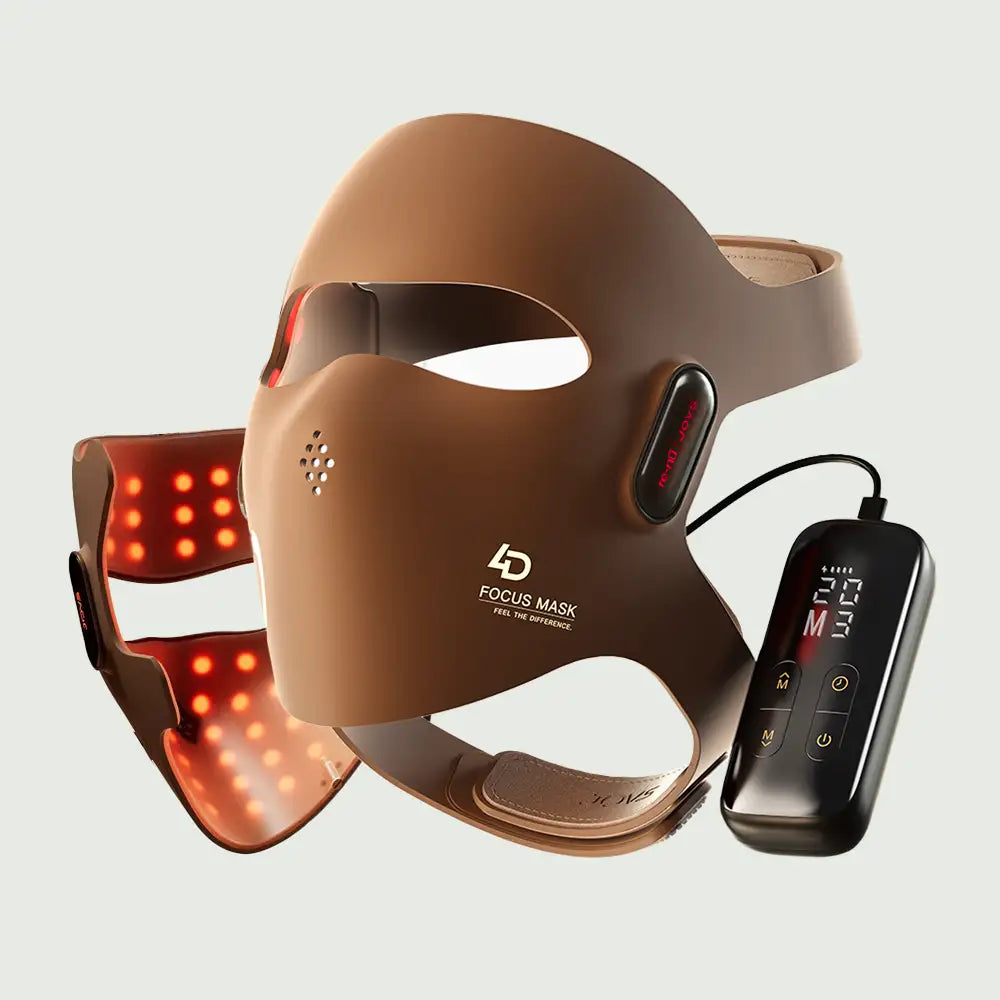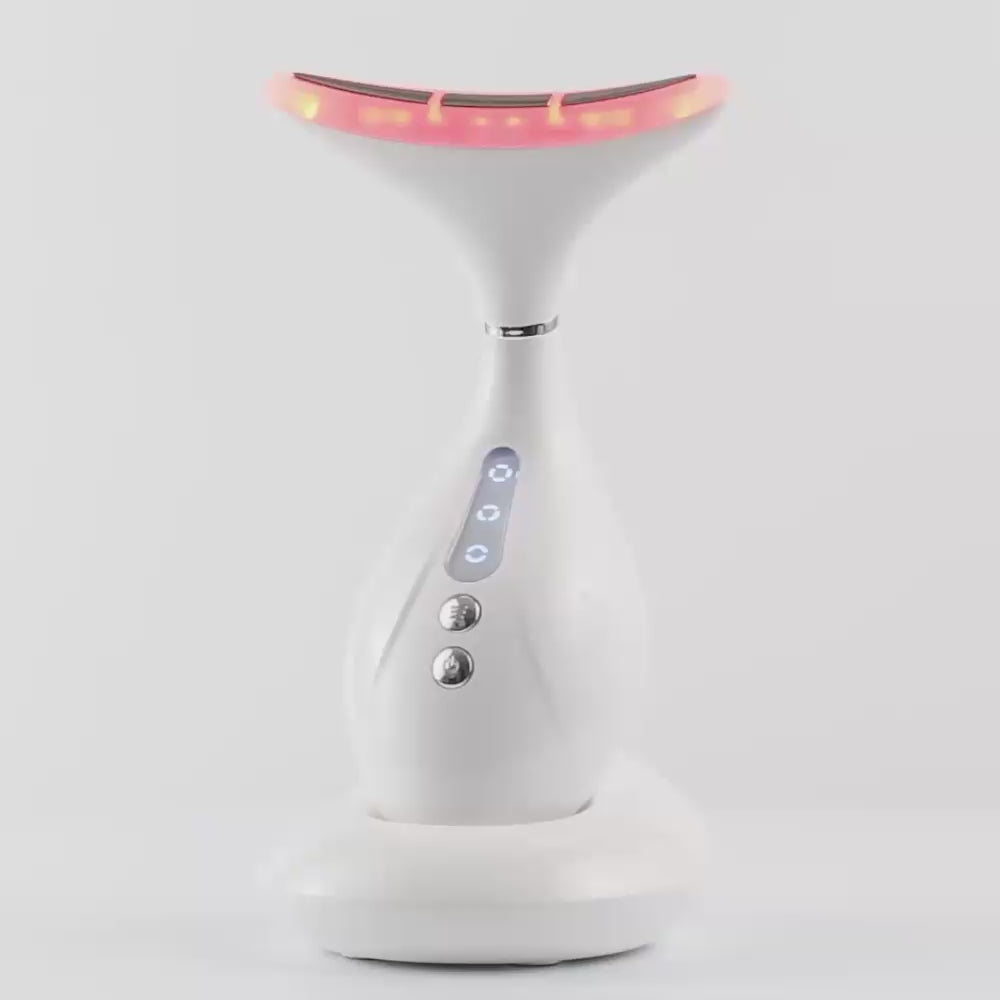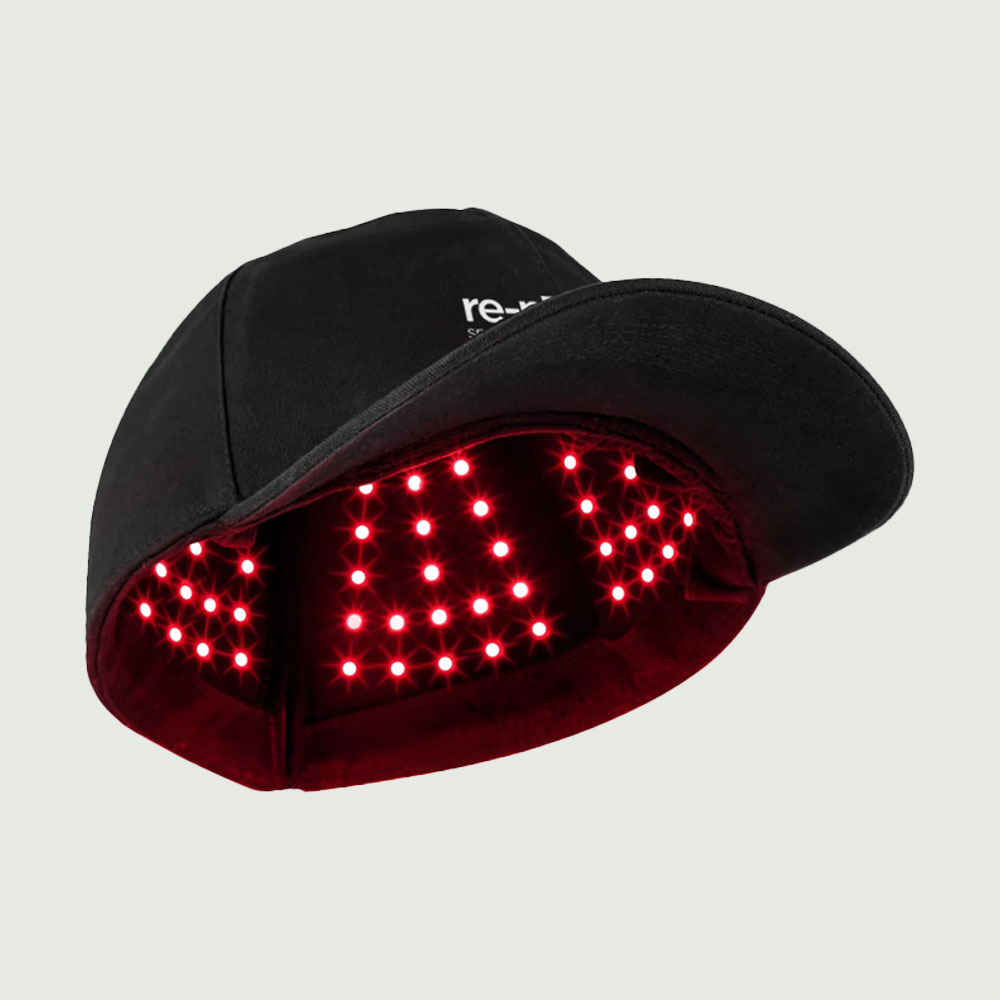


At re-nū Smart Beauty, we believe your at-home red light therapy device should be the centerpiece of a smarter, more intentional skincare routine, not a standalone gadget.
Red light therapy devices work by stimulating cellular energy production, boosting collagen, and calming inflammation at the dermal level. But what you put on your skin before and after a session can dramatically amplify, or accidentally sabotage, those results. If you've invested in a quality skincare routine, the next question is simple: what serums should you use with red light therapy? Here's the breakdown.
Why Serum Pairing Matters With Red Light Therapy
Red light therapy (typically in the 630–660nm range) and near-infrared light (810–850nm) penetrate the skin and energize mitochondria, kickstarting collagen synthesis and accelerating cellular repair. When your skin is in this activated state, it's more receptive to the active ingredients you apply.
That means the right serum can be absorbed more effectively, work harder, and deliver visible results faster. The wrong serum, or the right one at the wrong time, can cause irritation, oxidation, or diminished efficacy.
The golden rule: apply lightweight, water-based, non-photosensitizing serums before your session, and reserve richer treatments for after.
Best Serums to Use Before Red Light Therapy
Before your RLT session, your skin should be clean, dry, and layered with hydrating, light-safe actives that won't block the wavelengths.
1. Hyaluronic Acid
Hyaluronic acid is the gold standard pre-RLT serum. It's a humectant that draws moisture into the skin, plumping the surface and creating an optimal environment for light penetration. Well-hydrated skin conducts light more efficiently and responds better to collagen stimulation.
Look for a serum with multiple molecular weights of HA so it hydrates at multiple depths.
2. Peptides
Peptides (particularly copper peptides, palmitoyl tripeptides, and Matrixyl) signal your skin to produce more collagen and elastin. Since RLT is already triggering collagen production, layering peptides underneath compounds the effect. It's one of the most synergistic pairings you can build into a routine.
3. Niacinamide
Niacinamide (Vitamin B3) strengthens the skin barrier, reduces redness, and helps regulate oil production. It's stable under light exposure and won't interfere with wavelengths. If your skin tends to flush during RLT sessions, niacinamide is a smart buffer.
4. Growth Factors
Growth factor serums (EGF, TGF-beta) work at the cellular signaling level, the same territory where red light does its work. Pairing them creates a compounding regenerative effect, particularly for mature skin or skin recovering from procedures.
Serums to Save for After Your Session
Some ingredients are too reactive, unstable, or photosensitizing to use during a red light session. Save these for the final step of your routine, after the light is off and your skin has had a moment to settle.
Vitamin C (L-Ascorbic Acid)
Vitamin C is a powerhouse antioxidant that pairs beautifully with red light therapy, but timing matters. L-ascorbic acid can oxidize when exposed to light and heat, potentially reducing its efficacy and, in some formulations, causing irritation. Apply Vitamin C after your session, once your skin has cooled, to lock in the collagen-boosting benefits and neutralize any oxidative stress.
Exfoliating Acids (AHAs, BHAs, PHAs)
Glycolic, lactic, and salicylic acids can leave skin more photosensitive. Don't apply them immediately before RLT. If you exfoliate, do it the night before or use them on non-RLT days.
Retinol and Red Light Therapy: What You Need to Know
This deserves its own section, because retinol is the single most misunderstood ingredient in the RLT conversation.
Short answer: Yes, you can absolutely use retinol with red light therapy, but never during a session.
Retinol (and its stronger cousins retinaldehyde and tretinoin) is a Vitamin A derivative that accelerates cell turnover, fades hyperpigmentation, and stimulates collagen. On paper, it's the perfect complement to red light therapy, both work on skin renewal from different angles.
The problem is that retinol is photosensitive and inherently destabilizes under light exposure. Applying retinol before an RLT session can:
- Degrade the retinol molecule, wasting the product
- Increase irritation, redness, and peeling
- Compromise your skin barrier at exactly the moment you're trying to strengthen it
The Right Way to Combine Retinol With RLT
The most effective approach is to separate them by time of day:
- Morning or midday: Cleanse, apply hyaluronic acid or peptides, run your red light therapy session, then follow with Vitamin C, moisturizer, and SPF.
- Evening: Cleanse and apply your retinol serum as part of your nighttime routine.
If you only do RLT at night, wait at least 20–30 minutes after your session before applying retinol. This gives your skin time to cool, and the wavelength-triggered inflammation response to subside, meaning retinol works with your skin instead of against it.
Beginners should also start slow: introduce retinol two or three nights per week, and give your skin two to four weeks to adjust before scaling up. Red light therapy actually helps offset the classic "retinization" period (the redness, flaking, and sensitivity) by accelerating barrier repair.
Ingredients to Skip Entirely During RLT Sessions
- Essential oils (photosensitizing and often irritating)
- Benzoyl peroxide (can oxidize)
- Heavy occlusives like petrolatum or thick balms (block light penetration)
- Makeup, SPF, or tinted moisturizer (barriers to wavelengths)
Your skin should be bare, clean, and lightly hydrated, nothing more.
Building Your Routine Around Your Device
A simple, effective RLT-optimized routine looks like this:
- Cleanse with a gentle, non-stripping cleanser
- Apply hyaluronic acid and/or a peptide serum
- Run your red light therapy session (typically 10–20 minutes depending on your device)
- Apply Vitamin C or a growth factor serum
- Moisturize
- SPF (morning) or retinol (evening, on non-RLT-adjacent nights)
Consistency beats intensity. Three to five sessions per week, paired with the right actives, will outperform sporadic use of expensive products every time.
Ready to Upgrade Your Skincare Routine?
Red light therapy is only as powerful as the routine you build around it. Explore our full red light therapy device collection to find the tool that fits your skin goals, and let your serums do the rest of the work.