
smart beauty insights
Stay ahead of the curve with our collection of modern beauty tips and insights, where expert guidance meets real-world results. From smart beauty guides that break down trending techniques to in-depth skincare tool guides that help you choose and use devices with confidence, this resource hub is designed for today’s beauty-conscious consumer. Explore science-backed wellness routines and blogs on red light therapy that support radiant skin from the inside out, keep up with the latest beauty industry news, and discover skincare innovations and professional advice tailored to evolving skincare and self-care trends. Whether you’re refining your daily regimen or diving into advanced beauty tools, our comprehensive insights deliver the knowledge you need to make informed, results-driven decisions.

Best Facial Tools for a Glowing, Sculpted Complexion in 2025
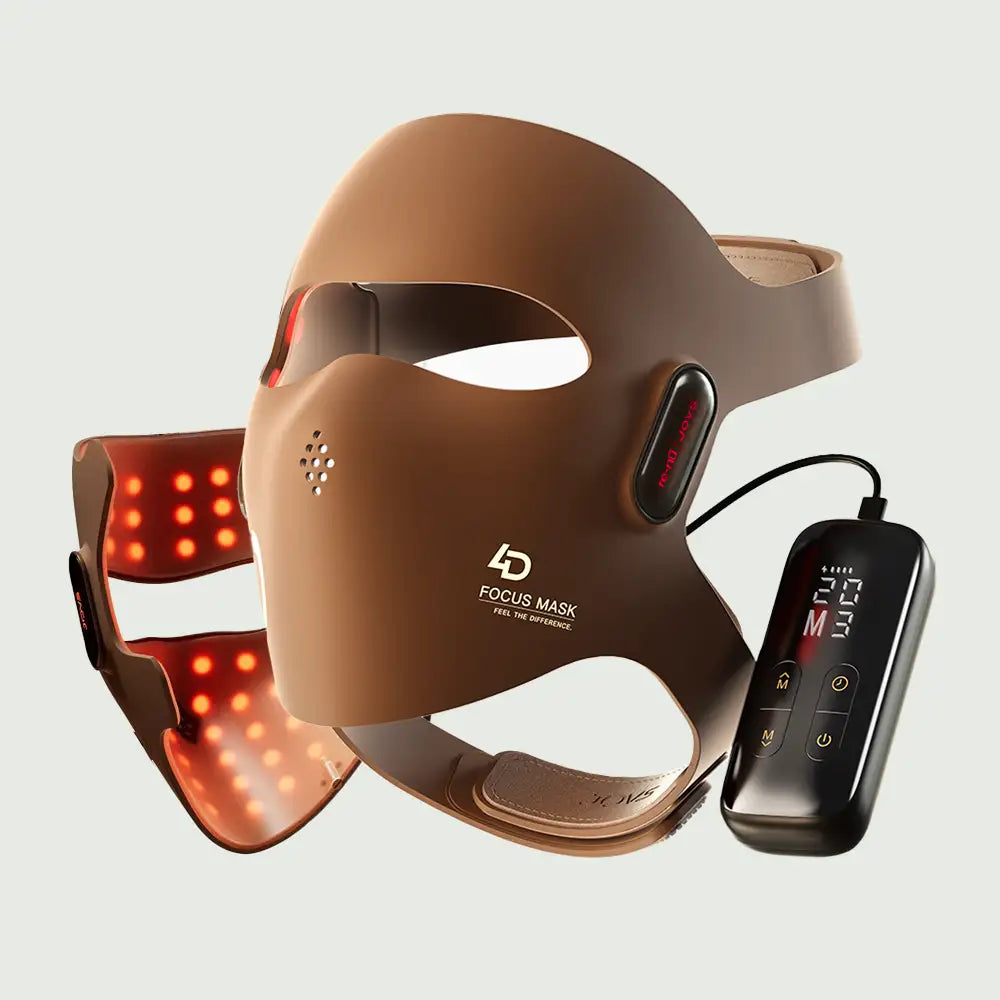
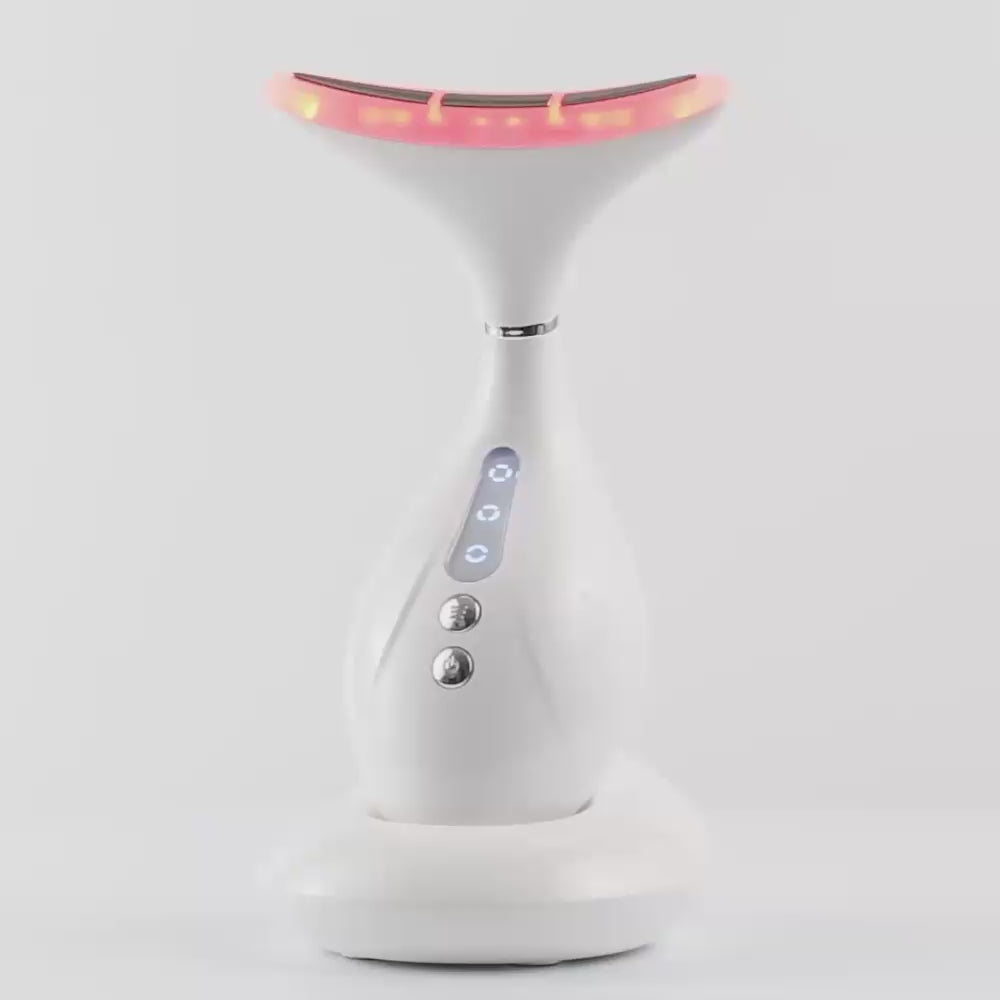
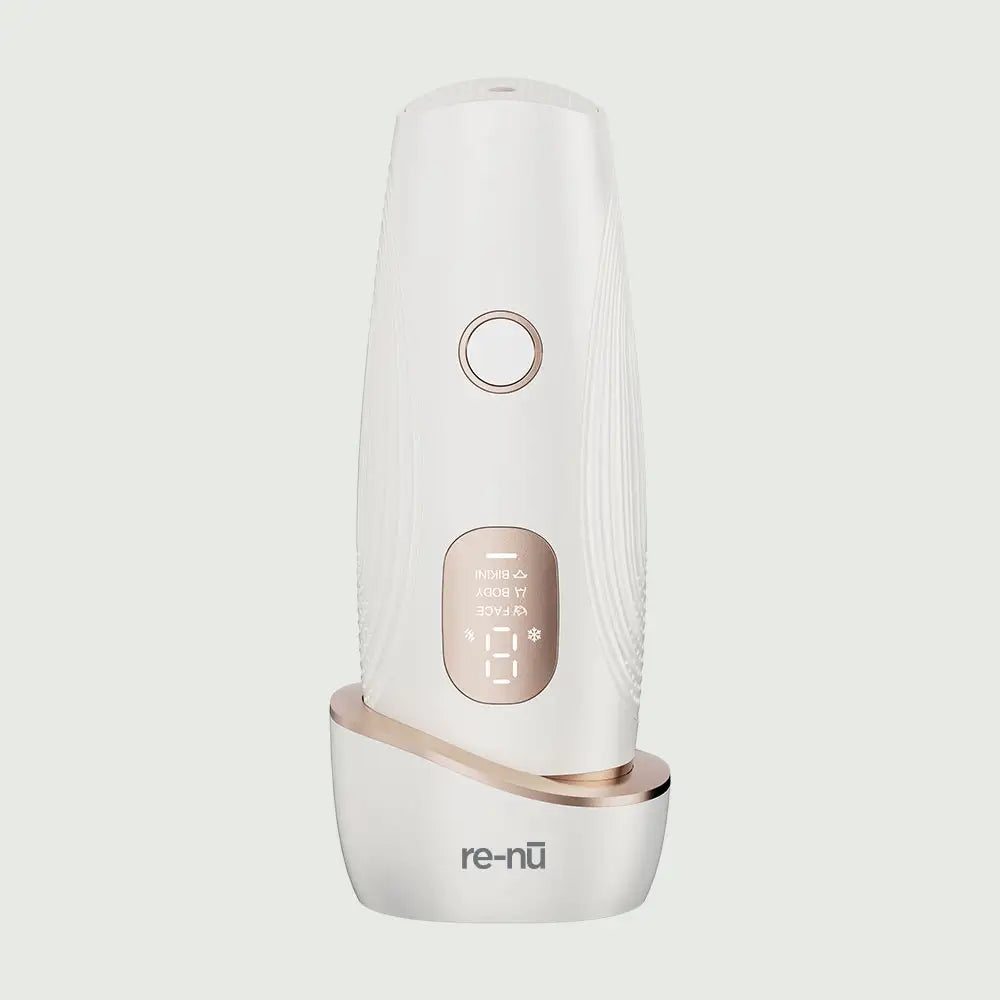
In today’s fast-paced world, skincare is no longer just about creams and serums, it's about smart, science-backed technology that transforms your beauty routine and delivers lasting results. The days of basic, manual beauty gadgets are behind us. Now, advanced, professional-grade tools harness the power of cutting-edge innovations, giving you med spa–quality treatments right at home. At re-nū Smart Beauty, we’re proud to be at the forefront of this beauty revolution. Our mission? To bring you game-changing, tech-driven solutions that simplify your routine while amplifying your natural glow. Whether you want to brighten tired, dull skin, lift and sculpt your facial contours, combat stubborn acne, or support healthy, fuller hair growth, our carefully crafted devices make it effortless and effective. Why settle for temporary fixes when you can enjoy real, visible improvements? Our collection combines scientific precision with user-friendly design, empowering you to take control of your skincare journey. From powerful LED light therapy panels and microcurrent face toning devices to innovative ultrasonic scrubbers and hair growth stimulators, re-nū Smart Beauty offers everything you need to reveal radiant, youthful skin and boost your confidence. Ready to elevate your skincare game? Dive into our expertly curated guide to the best facial tools for a glowing, sculpted complexion and explore why re-nū Smart Beauty is your trusted partner for transformative, at-home beauty technology. Why Choose Smart Beauty Devices? Smart beauty devices integrate LED light therapy, radio frequency (RF), microcurrent, ultrasonic vibration, and EMS (electrical muscle stimulation) to deliver visible, lasting results. Unlike traditional skincare tools, smart devices: Penetrate deeper layers of skin to stimulate collagen and elastin production.Offer customizable treatments tailored to your unique skin needs.Provide safe, non-invasive care backed by science.It can reduce fine lines, wrinkles, and sagging with consistent use.Help improve skin texture, tone, and firmness. Meet the re-nū Smart Beauty Collection: The Ultimate At-Home Facial Tools 1. LED Red Light Therapy Panels & Masks Our LED red light therapy devices use clinically proven wavelengths to boost collagen, reduce inflammation, and improve skin texture. Whether you want targeted relief with our handheld panels or full-body rejuvenation with extended coverage mats, re-nū offers a variety of options to fit your routine. LED Red Light Therapy Mat : Perfect for full-body care and deep skin rejuvenationMulti-Color Light Therapy Mask: Combines different LED colors to target acne, pigmentation, and aging360 LED Lift & Sculpt Device : Lift, contour, and tone your facial muscles with combined LED and microcurrent technology 2. Microcurrent & RF Face Lifting Devices Experience non-invasive lifting and tightening with our RF + LED Microcurrent Face Lifting Device. This tool stimulates muscle contractions and boosts collagen for a sculpted jawline and smoother skin. RF + LED Microcurrent Face Lifting Device : Ideal for firming and redefining your facial contoursCompact LED Facial Toning Massager: A travel-friendly option for daily muscle toning 3. Ultrasonic Skin Scrubbers & Cleansing Brushes Deeply cleanse, exfoliate, and boost product absorption with ultrasonic technology and sonic cleansing brushes. Ultrasonic Skin Scrubber : Gently exfoliates and unclogs pores for a brighter complexionPurePulse Sonic Cleansing Brush : Removes dirt, oil, and makeup residue effectively while stimulating circulation 4. Hair Growth & Removal Tools Maintain healthy, thick hair and manage unwanted hair with advanced laser and IPL technology. Laser Hair Growth Brush: Stimulates scalp circulation to encourage hair regrowthRapidFlash IPL Hair Removal Device: Offers professional-grade, pain-free hair removal at home 5. Specialty Tools & Accessories We also offer innovative tools like heated eyelash curlers, nail care kits, and portable LED mirrors designed for convenience and precision. Heated Eyelash Curler: Perfectly curls lashes for a wide-eyed lookDual-Motion Electric Nail Drill: Salon-quality nail care in your hands How to Choose the Right Beauty Tool for You With so many innovative beauty tools, choosing the perfect device can feel overwhelming. To help you make the best decision, here are four simple steps to narrow down your options: Define Your Skin Goals Start by identifying what you want to achieve. Are you aiming to smooth out fine lines and wrinkles, clear up acne, tighten sagging skin, or boost overall radiance? Knowing your primary concern will guide you toward the right technology.Consider Your Lifestyle and Routine Think about how much time you can realistically dedicate each day. Do you prefer quick, hassle-free treatments that fit into a busy schedule? Or are you ready to invest in a more intensive device for deeper, long-lasting results?Look for Advanced, Multi-Technology Devices Some innovative beauty tools combine different technologies, like LED light therapy, microcurrent, and ultrasonic cleansing, to address multiple skin concerns simultaneously. These multifunctional devices often deliver broader, more effective benefits.Check Reviews and Scientific BackingChoose products with positive customer feedback and clinical evidence proving their effectiveness. This ensures you invest in safe, reliable tools that truly deliver results. At re-nū Smart Beauty, we understand the importance of confidence in your skincare choices. That’s why all our devices come with clear, easy-to-follow instructions and are expertly designed for safe, comfortable use in the privacy of your home. Your path to glowing, youthful skin starts here simple, effective, and tailored just for you. The Science Behind re-nū Smart Beauty Cutting-edge technologies inspire our devices in dermatology clinics and med spas worldwide. Research shows that LED red light therapy can stimulate skin cell regeneration, reduce inflammation, and improve overall texture. Microcurrent and RF devices promote collagen and elastin production, which helps lift and firm the skin naturally. Meanwhile, ultrasonic and sonic cleansing tools enhance deep pore cleansing and improve absorption of skincare products. We combine this scientific knowledge with innovative design, creating tools that are effective, easy to use, and fit into any skincare routine. Real Results, Trusted by Thousands Thousands of users trust re-nū Smart Beauty devices to deliver visible, lasting improvements in their skin’s health and appearance. From reducing fine lines to calming acne flare-ups, our products have helped users across the US reclaim their confidence and glow. Why Buy from re-nū Smart Beauty? Professional-grade technology made accessible for home use.Risk-free 30-day trial on all orders, love your results, or get a full refund.Expert customer support to guide you through your skincare journeyFast, reliable shipping across the US Final Thoughts: Embrace the Future of Beauty Your skincare routine should work smarter, not harder. With re-nū Smart Beauty’s advanced tools, you get powerful, professional results with minimal effort, whether battling wrinkles, sagging skin, acne, or thinning hair. Our smart devices are tailored to meet your unique needs. Explore the future of beauty today, shop the full re-nū Smart Beauty collection and start your journey to radiant, sculpted skin. Frequently Asked Questions Are smart beauty devices worth it? Absolutely! They offer deeper treatment, longer-lasting effects, and customization that traditional tools can’t match. How often should I use these devices? Most are safe for daily or regular use. Follow product instructions for best results. Is red light therapy safe? Yes, it’s non-invasive, FDA-approved, and backed by scientific research. Can these devices replace my skincare products? No, but they enhance absorption and boost effectiveness with quality skincare. Sources https://my.clevelandclinic.org/health/treatments/22146-led-light-therapy https://www.medicalnewstoday.com/articles/microcurrent-facial https://www.healthline.com/health/radiofrequency-skin-tightening https://www.womanandhome.com/beauty/skincare/currentbody-led-face-mask-series-2-review
Learn more
Smart Skincare Tools That Outshine Traditional Beauty Methods in 2025
Let’s be honest: Your skincare routine deserves more than lotions and wishful thinking. In a world where we can track our sleep, count our steps, and unlock our phones with our faces, why should skincare be confined to the past? Welcome to the re-nū era, where smart beauty tools are transforming how we cleanse, tone, lift, and glow. These high-tech devices aren’t just trendy; they’re powerful, science-backed, and designed to give you that fresh-from-the-clinic look without ever leaving home. From LED red light therapy masks that boost collagen to RF (radio frequency) face-lifting wands that firm and tighten, and ultrasonic scrubbers that deep-clean your pores in seconds, this is skincare for the modern glow-getter. And yes, your favourite serum will love them too. Whether you’re a skincare minimalist who just wants results without the fuss, or a beauty tech junkie chasing the next big thing, these tools don’t just level up your routine, they can help to transform it. So, if you’ve ever wondered whether smart skincare is worth the hype or if you’re simply tired of skincare that doesn’t quite deliver on its promises, stay with us. We’re unpacking the best tech-powered skincare tools that genuinely work and explaining how to use them to achieve that lit-from-within glow daily. So why are thousands switching to smart skincare devices? Because they deliver what traditional methods often promise but rarely provide: faster results, deeper penetration, and science-backed effectiveness, all from the comfort of your home. Let us dive into the next generation of skincare and explore why smart beauty tools are not just a trend; they are the new essential. Traditional Tools: The Original Glow-Getters Before beauty tech dominated our vanities, we had reliable heroes: gua sha stones, jade rollers, and dependable manual scrubbers. These tools have existed for centuries, and for good reason. They are simple, soothing, and provide a mindful moment in an otherwise hurried routine. But let’s be honest: while these classic tools certainly have their place, they aren’t exactly revolutionary. If you’re seeking deep results such as firmer skin, unclogged pores, or increased collagen, you may feel unsatisfied. Why We Still Love Them: They’re beginner-friendly and feel amazing (hello, lymphatic drainage!)Super affordable and easy to findGreat for de-puffing and boosting blood flow, especially in the morningBut Here’s the Catch: The results are subtle and short-termNo deep stimulation or advanced benefitsYou’ve got to be consistent (like, every day) to see even a slight difference Consider traditional tools, like your favourite cosy slippers, perfect for a bit of self-care comfort, but not designed for transformation. If you're yearning for genuine results, such as firmer skin, smoother texture, and that unmistakable lit-from-within glow, it's time to level up. Smart skincare devices are the game-changers your routine has been waiting for. Smart Beauty Tools: Science Meets Skincare Imagine unlocking the secret to radiant, youthful skin without leaving your home. Smart beauty tools make that dream a reality by combining breakthrough technology with proven skincare science to deliver powerful results you can see and feel daily. From LED light therapy that boosts collagen and combats acne-causing bacteria, to EMS devices that gently tone and lift your facial muscles, to microcurrent tools providing a non-surgical facelift effect, and ultrasonic scrubbers that deeply cleanse pores for a fresh, glowing complexion, these advanced devices elevate your skincare routine to a whole new level. At re-nū Smart Beauty, we’ve handpicked the best, clinically tested smart tools designed for all skin types and concerns, making it effortless to potentially achieve smoother, firmer, and clearer skin without expensive treatments or complicated regimens. Whether you wish to reduce wrinkles, sculpt your face, or achieve that fresh-from-the-spa glow, our LED Therapy Mask, EMS Facial Toning Device, Microcurrent Face Sculptor, and Ultrasonic Skin Scrubber empower you with professional-grade care at your fingertips. Easy to use, time-saving, and backed by science, these tools are your ultimate allies for glowing, youthful skin and an investment in your confidence that pays off daily. Don’t wait for perfect skin; take control now with re-nū Smart Beauty’s innovative devices and experience the future of skincare, personalized just for you. Potential Benefits of Smart Skincare Devices Enhanced Product Absorption: Smart tools like ultrasonic skin scrubbers utilise gentle high-frequency vibrations to deeply cleanse pores and exfoliate dead skin cells, which can enhance the absorption of your serums and moisturizers by up to 10 times. This means your skincare products penetrate more effectively, allowing active ingredients to work deeper and deliver faster, more noticeable results. Spa-Quality Results at Home: Microcurrent and EMS (Electrical Muscle Stimulation) devices simulate the effects of professional spa facials by stimulating facial muscles and boosting collagen production. Regular use can visibly lift, tone, and firm your skin, helping to reduce fine lines and sagging without the need for expensive treatments or downtime. It’s like having a personal esthetician available whenever you want. Personalized Skincare Experience: Many of our smart beauty tools offer customizable settings that allow you to tailor your treatment to your unique skin needs. Whether you select different LED light colors to target acne, inflammation, or signs of aging or adjust EMS intensities for gentle toning versus deep muscle stimulation, these devices give you control over a truly personalized skincare routine. Efficient & Time-Saving: Spending 30 minutes on skincare isn’t always realistic in today's busy world. That’s why smart beauty devices like the GlowUp Wand are designed for quick, effective sessions, often just five minutes a day, to deliver superior results that can outperform complicated 10-step routines. This efficiency means you can maintain glowing, youthful skin even with a hectic schedule. Traditional Skincare Tools vs. Smart Skincare Devices: What’s the Difference? When it comes to caring for your skin, selecting the right tools can make all the difference. Traditional skincare tools like basic facial rollers, manual exfoliators, and cleansing brushes have existed for years and offer some benefits, but their effects are mostly superficial. These tools do not employ any advanced technology; they depend on manual techniques to stimulate circulation or gently exfoliate dead skin cells. While affordable and simple to use, the results tend to be temporary and less dramatic, necessitating consistent, long-term use to see noticeable changes. On the other hand, smart skincare devices represent a revolutionary leap forward by incorporating advanced technologies such as LED light therapy, EMS (Electrical Muscle Stimulation), microcurrent, and ultrasonic vibrations. These tools work beneath the surface to boost collagen production, tone muscles, deeply cleanse pores, and accelerate skin renewal. This means that the results you achieve from smart devices are often longer-lasting and more impactful, comparable to professional spa treatments. Customization is another significant advantage. Traditional tools provide limited control, usually relying on how hard you press or how frequently you use them. Smart skincare devices, however, come with adjustable settings, such as different LED colours for targeting acne or aging, variable EMS intensities for gentle or deep muscle stimulation, and customizable treatment times, offering you a truly personalized skincare experience. Traditional tools tend to be inexpensive, but you’ll often need multiple products and treatments to get the results you want. Smart tools, on the other hand, come with a higher upfront cost due to their advanced technology, but they deliver better value over time by reducing the need for costly spa visits and helping you achieve professional-quality results at home. Finally, maintenance differs as well. Traditional tools require minimal upkeep—usually just a quick rinse or wipe after use. Smart devices need regular charging and careful cleaning to keep them working safely and effectively. In summary, while traditional skincare tools can provide some surface-level benefits, smart skincare devices offer a powerful, science-backed way to help you transform your skin with lasting, personalized results, making them a worthwhile investment for anyone serious about their skincare routine. Expert Tip: For truly radiant, healthy skin, always pair your smart beauty device with serums rich in powerhouse ingredients such as niacinamide, hyaluronic acid, or peptides. These ingredients are thought to enhance hydration, brighten the complexion, and support skin repair, enabling your device to boost their absorption and amplify their effectiveness for glowing, revitalized skin every time. Smart Beauty Tool FAQ Are skincare devices worth it? Absolutely. Smart skincare devices go beyond surface care by enhancing product absorption, stimulating collagen, and improving muscle tone, which leads to visible, long-lasting skin improvements that traditional tools alone can’t achieve. What are smart beauty devices? Smart beauty devices are technology-driven skincare tools that use advanced methods like LED light therapy, microcurrent, EMS, and ultrasonic vibrations to target skin concerns more deeply and effectively than manual tools, offering professional-level results at home. Do facial tools work? Traditional facial tools can provide temporary benefits like improved circulation or mild exfoliation. However, smart devices can deliver clinically backed results by stimulating collagen production, tightening skin, and promoting cell renewal for lasting improvements. What is the number 1 beauty device? While preferences vary, LED therapy masks are widely regarded as one of the most effective and versatile modern skincare devices, addressing issues from acne to aging by boosting collagen and calming inflammation with customizable light settings. What is the difference between medical-grade skincare and regular skincare? Medical-grade skincare products contain higher concentrations of active ingredients and are often backed by clinical research, while regular skincare tends to be gentler with lower potency. Smart devices help enhance absorption of either type, maximizing the potential benefits. Do LED face sculpting tools work? Yes, when used consistently, LED face sculpting tools improve skin elasticity, reduce fine lines, and promote a lifted, youthful appearance by stimulating collagen and improving blood flow. Do at-home skin tightening devices work? Many at-home devices using microcurrent, RF, or EMS technology offer noticeable skin tightening and toning effects, making them effective alternatives to costly in-office treatments when used properly and regularly. What is the best face tightening device? Devices combining microcurrent and LED therapy, like the RF + LED Microcurrent Device, are highly effective because they simultaneously tone muscles, stimulate collagen, and reduce inflammation, working to deliver comprehensive skin tightening benefits. Are home red light therapy devices worth it? Home red light therapy devices are worth the investment. They provide safe, noninvasive treatment to boost collagen, reduce inflammation, and improve skin texture, bringing professional-grade skincare to your daily routine. What do dermatologists say about red light therapy? Dermatologists generally support red light therapy as a safe and effective treatment for anti-aging and acne when used as directed, praising its ability to stimulate skin repair without harmful side effects. What does the Mayo Clinic say about red light therapy? The Mayo Clinic acknowledges red light therapy as a promising treatment for skin conditions like wrinkles and psoriasis, noting it is FDA-approved for certain uses and generally well tolerated. Final Thoughts Find Your Smart Skincare Solution Here Your skincare routine deserves to be as intelligent and effective as you are. With re-nū Smart Beauty tools, you’re not just caring for your skin, you’re transforming it. From targeting stubborn acne and reviving dullness to smoothing wrinkles and lifting sagging skin, these cutting-edge devices deliver professional-grade results easily and conveniently. Say goodbye to complicated regimens and welcome smarter skincare that fits seamlessly into your lifestyle. Step confidently into the future of beauty, where technology meets radiant, healthy skin. Explore our full collection now → Smart Beauty Devices Sources https://my.clevelandclinic.org/health/treatments/22146-led-light-therapy https://www.plasticsurgery.org/news/blog/what-is-led-light-therapy-and-what-are-the-benefits https://www.medicalnewstoday.com/articles/microcurrent-facial https://www.womanandhome.com/beauty/skincare/currentbody-led-face-mask-series-2-review
Learn more
LED Light Therapy: Everything You Need to Know About This Beauty Breakthrough
In today’s dynamic world of beauty and skincare, LED Light Therapy has emerged as a revolutionary, science-backed solution for a wide range of skin concerns. From stubborn acne and inflammation to fine lines, wrinkles, and dull skin, this non-invasive technology uses targeted wavelengths of light to stimulate natural skin healing and rejuvenation processes. Whether you’re a beauty-conscious teen tackling breakouts, a skincare-savvy woman enhancing her routine, or someone seeking gentle, effective anti-aging care, LED therapy provides visible, long-term results without downtime. Suitable for all skin types and now widely available in both clinical and at-home devices, it’s quickly becoming a must-have for modern skincare. What is LED Light Therapy? LED (Light Emitting Diode) Light Therapy is a non-invasive skincare treatment that uses specific wavelengths of light to address common skin concerns such as acne, inflammation, wrinkles, and dullness. It works by penetrating the skin at different depths to stimulate natural cellular processes, promoting healthier, clearer, and more youthful-looking skin. What Does LED Light Therapy Do? Depending on the wavelength and color, LED light penetrates the skin at different depths, Acne Treatment – Blue light kills acne-causing bacteria and reduces inflammation. Wrinkle Reduction – Red light boosts collagen and elastin production to reduce fine lines. Hyperpigmentation – Green light helps fade dark spots, sun damage, and uneven skin tone. Skin Rejuvenation – Improves overall skin texture, glow, and firmness. Scar Healing – Aids in the repair of post-acne and wound scars. Redness and Rosacea Relief – Calms inflamed skin and reduces visible capillaries. Anti-Aging Maintenance – Slows down skin aging by enhancing cellular regeneration. Oil Control – Helps regulate sebum production to prevent clogged pores. Post-Treatment Recovery – Speeds up healing after cosmetic procedures like microdermabrasion or microneedling. Hair Growth Support – Red light is used to stimulate hair follicles for hair regrowth. Are There Different Kinds of LED Light Therapy? Yes! Each light color offers unique skincare benefits: Red Light: Stimulates collagen for anti-aging and wrinkle reduction. Blue Light: Kills acne bacteria, preventing breakouts. Green Light: Reduces pigmentation and evens skin tone. Yellow Light: Soothes sensitive skin and reduces redness. Near-infrared light penetrates deepest. Does LED Light Therapy Actually Work? Clinical studies confirm that consistent LED Light Therapy sessions significantly enhance skin texture, even out skin tone, and boost overall clarity. Red light stimulates collagen production for smoother, firmer skin; blue light targets acne-causing bacteria; and green light helps reduce pigmentation and redness. While in-clinic treatments typically deliver quicker, more intense results due to higher light output, modern at-home devices have advanced to offer impressive outcomes with regular use. For the best results, consistency is key—using your LED skincare tool just a few times a week can lead to visible, lasting improvements over time. Plus, at-home options are more affordable and seamlessly fit into your daily beauty routine without the hassle of appointments. What Doesn’t LED Light Therapy Treat? While LED light therapy offers impressive benefits, it’s important to understand its limitations. This non-invasive treatment is ideal for addressing surface-level concerns like mild to moderate acne, fine lines, redness, and uneven tone. However, it is not recommended as a standalone solution for deeper skin issues such as severe acne (like cystic acne), deep-set scars, or significant skin laxity (sagging skin). These conditions typically require more intensive medical procedures such as laser therapy, microneedling, or surgical interventions. Additionally, results from LED therapy vary greatly depending on skin type, age, and the specific concern being treated. Individuals with darker skin tones may experience slower results, and those with chronic skin conditions should consult a dermatologist before use. While LED therapy can complement clinical treatments, it should not be considered a replacement for professional dermatological care. How Long Does It Take for LED Light Therapy to Work? Typically, visible results appear within 4–6 weeks with consistent use (3–5 times per week). Professional sessions may show results sooner. Maintenance is essential to prolong the benefits. Who Should Not Use LED Light Therapy? People with photosensitivity, certain skin conditions like rosacea or lupus, or those on medications like Accutane should avoid LED therapy. Consulting a dermatologist beforehand is essential. See contraindications on DermNet What Happens Before LED Light Therapy? Before treatment, cleanse your face thoroughly. Avoid heavy makeup, exfoliants, or harsh serums. A consultation with your skincare expert helps tailor the therapy to your needs. Tips from WebMD What Happens During In-Office LED Therapy? During a session, you’ll wear protective goggles while a panel or mask of LED lights is placed over your face. The procedure is painless and usually lasts 20–30 minutes. How to Use an At-Home LED Light Therapy Device At-home LED light therapy devices—such as face masks, handheld wands, and light panels—offer a convenient way to incorporate professional-level skincare into your routine. To get the best results, start with a clean, dry face. Use a gentle cleanser to remove dirt, oil, and makeup, ensuring your skin is primed to absorb the light effectively.Next, position the LED device on your skin or wear it as instructed. Most sessions last between 10 to 20 minutes, depending on the device and the concern being treated (e.g., blue light for acne, red light for anti-aging, or green light for pigmentation). It's crucial to follow the manufacturer's guidelines regarding duration, frequency, and distance from the skin. After the session, apply a hydrating serum or moisturizer—ideally with ingredients like hyaluronic acid, peptides, or niacinamide—to lock in moisture and enhance your results. For sensitive skin types, it’s best to start with shorter sessions and gradually increase exposure. Consistency is key. Using your device 3–5 times a week can yield visible improvements over several weeks. Avoid using LED therapy right after exfoliation or treatments that make skin more photosensitive. What Happens After LED Light Therapy? One of the major advantages of LED light therapy is the lack of downtime. After your session—whether done in-office or with an at-home device—you can resume your regular skincare routine immediately. This includes cleansing, moisturizing, and using serums as usual. However, for optimal results and skin protection, it’s important to take a few post-treatment precautions: Apply a broad-spectrum sunscreen (SPF 30 or higher) to protect your skin from UV rays, as freshly treated skin can be more sensitive to sunlight. Avoid direct sun exposure for at least 4–6 hours after treatment to minimize the risk of irritation or pigmentation. Skip harsh exfoliants or retinoids immediately after treatment, especially if you have sensitive skin, to avoid potential redness or dryness. By following these simple steps, you can safely enjoy the benefits of LED therapy while keeping your skin protected and radiant. What Are the Benefits of LED Light Therapy? LED light therapy offers a wide range of clinically supported skincare benefits, making it a popular choice for those seeking safe, non-invasive rejuvenation. One of its primary advantages is stimulating collagen and elastin production, which helps reduce the appearance of fine lines and wrinkles, resulting in firmer, more youthful-looking skin. For those struggling with acne, blue light targets acne-causing bacteria (Propionibacterium acnes), reducing breakouts and preventing future flare-ups. Red light helps reduce inflammation, calms irritated skin, and accelerates healing, making it especially effective for post-acne marks and sensitive skin. LED therapy also helps improve overall skin tone and texture by increasing microcirculation and supporting the skin’s natural regeneration process. This leads to brighter, smoother, and more even-toned skin over time. Another benefit is its suitability for all skin types, including mature, dry, oily, or combination skin. With regular use, users often notice smaller pores, reduced redness, and a visible glow without the risks of harsh chemical treatments or downtime. What Are the Risks of LED Light Therapy? Side effects are rare but may include temporary redness or dryness. Always buy FDA-cleared devices and follow usage guidelines to ensure safety. Is LED Light Therapy Right for Me? LED light therapy is an excellent option for individuals with mild to moderate skin concerns such as acne, early signs of aging, redness, or uneven skin tone. It's particularly suited for those seeking non-invasive, pain-free treatments that require no downtime. The therapy works well as part of a regular skincare routine and can enhance the effectiveness of other skincare products. However, individual results may vary based on skin type, age, and underlying conditions. Those with sensitive skin, rosacea, or pigmentation issues may benefit from specific wavelengths more than others. Additionally, people with certain medical conditions or who are on photosensitizing medications should proceed with caution. For best results and safety, it’s always recommended to consult with a dermatologist or licensed skincare professional before starting LED light therapy—especially if you have chronic skin issues or are using prescription treatments. What’s the Recovery Time After LED Light Therapy? There’s virtually no recovery time. You can return to your routine immediately after treatment, making it ideal for busy lifestyles. Final Thoughts: Beauty Backed by Light and Science LED Light Therapy combines advanced skincare technology with daily self-care, offering clinically backed benefits for various skin concerns like acne, aging, and uneven tone. Whether used at home or in a professional setting, it delivers visible improvements with consistent use. Choosing a trusted brand ensures safety, quality, and effectiveness—helping you integrate smart beauty seamlessly into your routine for long-term results.
Learn more
18 Powerful Healthy Anti-Aging Strategies You Can Start Today
Aging is a natural and beautiful journey — a reflection of our experiences, resilience, and personal growth. Yet today, thanks to advancements in skincare, health science, and wellness, we have more opportunities than ever to age not just gracefully, but powerfully and intentionally. At re-nū Smart Beauty, we believe aging should be celebrated, not feared. Our mission is to empower you with the latest skin innovations, proven health strategies, and smart lifestyle choices that support vibrant living at every stage. We are committed to helping you feel confident, radiant, and energized, with skincare tools that nurture your inner vitality and enhance your outer glow. Through a combination of smart beauty technology — like LED light therapy — cutting-edge skincare, balanced nutrition, mindful movement, and daily self-care, you can unlock your most vibrant, youthful self.Aging isn't about fighting time — it's about working in harmony with it, giving your body and spirit the attention they deserve. At every age, you deserve to feel strong, luminous, and unstoppable. Let’s dive into the 18 essential, science-backed anti-aging strategies that actually make a difference. 1. Wear Sunscreen Every Single Day It doesn’t matter if it’s cloudy, snowy, or you’re indoors — UV rays are stealthy and can cause up to 90% of visible skin aging. Daily sunscreen use protects you from fine lines, wrinkles, dark spots, and even skin cancer. Pro tip: Choose a broad-spectrum SPF 30 or higher, and reapply every 2 hours. Mineral sunscreens with zinc oxide or titanium dioxide are gentle and super effective. 2. Take Care of Your Skin with Smart Beauty Tech Today’s skincare isn’t just creams and serums. Devices like our LED therapy masks can potentially enhance collagen production, fight acne, and improve skin elasticity — all from the comfort of your home.Invest in a smart skincare routine with technology that works beneath the surface, not just on top. 3. Try Retinoids — The Gold Standard for Anti-Aging Retinoids (like retinol and tretinoin) are dermatologist favorites for a reason. They boost collagen, smooth fine lines, and speed up skin renewal.Start slow (think 2–3 times a week) to minimize irritation, and always use sunscreen, as retinoids can make your skin more sun-sensitive. 4. Protect Your Hands — They Show Age Fast Your hands are constantly exposed and often overlooked. Thin skin, sunspots, and loss of volume can make hands look older than your face.Daily SPF, a good hand cream, and occasional LED therapy can help your hands stay youthful and strong. 5. Do Not Smoke Smoking isn’t just bad for your lungs — it literally chokes your skin by cutting off oxygen and nutrients. Smokers develop deep wrinkles, dullness, and uneven skin tone far earlier than non-smokers.If you need a sign to quit, this is it. Your skin (and your entire body) will thank you. 6. Eat a Balanced, Nutrient-Rich Diet You are what you eat! A colorful diet rich in fruits, vegetables, lean proteins, and healthy fats floods your body with antioxidants that fight off free radical damage.Berries, spinach, salmon, avocados, nuts are great examples of anti-aging allies. 7. Fill Up on Fermented Foods Gut health = skin health.Yogurt, kimchi, sauerkraut, kefir — these fermented foods pack probiotics that help strengthen your gut microbiome, leading to better digestion, reduced inflammation, and a clearer, glowier complexion. 8. Reduce Your Sodium Intake Too much salt leads to water retention, puffiness, and puts stress on your heart and kidneys.Stick to natural, whole foods and flavor meals with herbs and spices instead of reaching for the salt shaker. 9. Drink Plenty of Water Hydration is your beauty BFF. Well-hydrated skin appears plumper, smoother, and more resilient.Aim for at least 8 glasses of water daily — more if you're active or live in a dry climate. Bonus: herbal teas count too! 10. Minimize Your Alcohol Intake Alcohol dehydrates your skin, enlarges blood vessels, and speeds up aging signs like sagging and dullness.You don’t have to give up your favorite wine entirely — just practice moderation, and always hydrate alongside. 11. Get Enough High-Quality Sleep Beauty sleep is real.During deep sleep, your body produces collagen and repairs daily cellular damage. Skimping on sleep accelerates skin aging and boosts cortisol (the stress hormone).Create a relaxing bedtime routine — dim lights, a little meditation, no screens — and aim for 7–9 hours nightly. 12. Stay Physically Active Regular exercise pumps oxygen and nutrients to your skin, reduces stress, and stimulates collagen production.Find activities you love — brisk walks, yoga, dancing, strength training — and aim for at least 150 minutes of moderate exercise per week. 13. Manage Your Stress (Yes, It Shows) Chronic stress triggers inflammation and breaks down collagen. Plus, frown lines are real!Prioritize mindfulness practices like meditation, deep breathing, journaling, or simply unplugging from devices once a day. 14. Improve Your Posture Standing tall isn’t just about looking confident — it also keeps your spine aligned, prevents back pain, and helps you appear younger and more energized.Practice yoga, Pilates, or posture exercises to counteract tech neck and slouching. 15. Use Whitening Toothpaste for a Bright Smile A bright, white smile can take years off your appearance.Whitening toothpaste with gentle ingredients can lift surface stains without damaging enamel. Regular dental checkups also keep your smile youthful and healthy. 16. Embrace LED Light Therapy for Skin Rejuvenation At-home LED devices like re-nū’s LED Facial Masks help to stimulate collagen, reduce inflammation, and target fine lines without pain or downtime.Consistent use can help reverse visible signs of aging and leave your skin looking fresher, smoother, and more radiant. 17. Prioritize Eye Care The skin around your eyes is the thinnest and first to show aging.Use a gentle eye cream with peptides or hyaluronic acid, wear sunglasses outdoors, and consider LED therapy treatments specifically designed for the eye area to reduce fine lines and puffiness. 18. Surround Yourself with Positive Energy Laughter, love, and community are the ultimate anti-aging secrets. Studies show people who maintain strong social ties and a positive outlook live longer, healthier, and happier lives.Spend time with people who uplift you — your glow will come from the inside out. Final Thoughts Aging is inevitable — but how you age is a choice.At re-nū Smart Beauty, we believe aging should be a celebration of wisdom, strength, and beauty.By embracing these 18 strategies and smart beauty technologies, you can look and feel your best at every age. Ready to take control of your glow?Explore our award-winning LED devices today and start your journey to radiant, timeless beauty. Shop ReNu Smart Beauty →
Learn more
The Ultimate Skincare Routine for Every Skin Type: From Oily to Sensitive
Skincare isn’t one-size-fits-all. What works wonders for someone with dry, flaky skin might be a disaster for someone with acne-prone or oily skin. Understanding your skin type and building a personalized skincare routine is key to achieving glowing, healthy skin. Whether your skin is oily, dry, combination, normal, or sensitive, this guide breaks down the best routine and products to suit your skin’s unique needs—with expert tips, ingredient recommendations, and pro-level insight. First Things First: Know Your Skin Type Understanding your skin type is the foundation of an effective skincare routine. Think of it like choosing the right fuel for your car—if you don’t know what your skin needs, you could end up doing more harm than good. Everyone’s skin has a unique balance of oil production, hydration, and sensitivity. Some people produce excess oil that leads to shine and clogged pores, while others struggle with dryness that causes flaking or tightness. Then there are those who have a mix of both, or skin that reacts easily to environmental stressors or certain ingredients. Identifying your skin type isn’t about putting yourself in a rigid category—it’s about listening to your skin’s signals. If you’re unsure, try washing your face, letting it sit for an hour without products, and observing how it feels. Oily skin will look shiny, dry skin will feel tight, and combination skin will likely have an oily T-zone with dry cheeks. Sensitive skin may show redness or feel irritated. Knowing where you stand is the first step to giving your skin exactly what it needs. Morning Skincare Routine for Every Skin Type Your morning skincare routine is all about protection and setting the tone for your day. Think of it as prepping your skin to face the elements—UV rays, pollution, blue light from screens, and even stress. For oily skin, it’s crucial to control shine and prevent future breakouts without stripping natural oils. On the other hand, dry and sensitive skin needs moisture and barrier support to prevent flakiness and irritation. Combination and normal skin types benefit from gentle, balancing formulas that don’t overwhelm. One of the biggest misconceptions is that you need a complicated 10-step routine—honestly, less is often more. What matters most is using the right ingredients in the right order. Start with a cleanser suited to your skin type, follow with a toner (yes, they’re still relevant!), add a targeted serum, seal it all in with moisturizer, and finish with a broad-spectrum sunscreen. A consistent, well-chosen routine—even if it’s just 3-4 steps—can keep your skin healthy, resilient, and glowing. 1. Cleanser Oily/Combination: Opt for a gel or foaming cleanser with salicylic acid or tea tree oil to control oil and prevent breakouts. Dry/Sensitive: Use a hydrating cream or milk cleanser with ceramides or hyaluronic acid to avoid stripping natural oils. Normal: A gentle cleanser that maintains your skin’s balance is ideal. Tip: Avoid over-cleansing. Twice a day is enough unless you've been sweating heavily. 2. Toner Oily: Look for toners with witch hazel, niacinamide, or BHA to refine pores.Dry: Choose alcohol-free, hydrating toners with glycerin or rose water.Sensitive: Use a calming toner with chamomile or aloe vera. Toners help rebalance the skin’s pH and prepare it for deeper absorption of serums. 3. Serum Serums are the powerhouses of your routine—targeting specific concerns. Oily/Acne-Prone: Go for a niacinamide serum to reduce sebum and minimize pores.Dry: Use hyaluronic acid serum to draw in moisture.Sensitive: Try azelaic acid or centella asiatica for redness and inflammation.Anti-aging concerns? Everyone can benefit from a vitamin C serum for brightening and antioxidant protection. 4. Moisturizer Yes, even oily skin needs moisturizer! Oily: Light, oil-free, gel-based moisturizers with non-comedogenic ingredients.Dry: Rich, emollient creams with ceramides, shea butter, or squalane.Sensitive: Fragrance-free, minimal-ingredient formulas to avoid irritation.Normal: Lightweight creams with hydrating and nourishing ingredients work best. 5. Sunscreen (SPF 30 or higher) Every. Single. Day. No exceptions. Oily/Sensitive: Look for mineral-based SPF (zinc oxide or titanium dioxide).Dry: A moisturizing sunscreen can double up as your daytime hydrator.All skin types: Choose broad-spectrum protection to guard against UVA/UVB rays. Need a recommendation? The Skin Cancer Foundation breaks down SPF choices for every skin type. Night time Skincare Routine for Every Skin Type Night is your skin’s chance to repair and regenerate. Let’s make it count. While the morning routine focuses on protection, nighttime is where the real magic happens—this is when your skin absorbs nutrients best, and cell turnover speeds up. A solid evening regimen helps reverse damage from the day and fortifies your skin barrier. The key here is using products that support recovery, reduce inflammation, and treat specific concerns like acne, dryness, or early signs of aging. 1. Double Cleanse (If Wearing Makeup or Sunscreen) Start with an oil-based cleanser or micellar water to break down makeup and SPF. Follow with your regular cleanser. Oily skin tip: Oil cleansing won’t make you greasier—it helps dissolve excess sebum and purify pores. 2. Treatment Serums This is where you target problems like acne, hyperpigmentation, or aging. Oily/Acne: Retinoids (like adapalene or retinol), salicylic acid, or benzoyl peroxide can help.Dry: Use peptides or bakuchiol—a gentle, plant-based retinol alternative.Sensitive: Start with a low-strength niacinamide or gentle botanical extracts.Hyperpigmentation: Add in alpha arbutin, licorice root, or tranexamic acid. If you’re new to actives like retinol or acids, start slow (2–3x a week) to build tolerance. 3. Moisturizer (Again!) Lock in the good stuff with a nourishing night cream. Skin loses more moisture while you sleep, so hydration is key. Add occlusives (like petrolatum or lanolin) in winter if you have dry skin.Look for non-comedogenic labels if you’re acne-prone. 4. Extras (Optional but Powerful) Eye Cream: For puffiness, look for caffeine; for fine lines, peptides or retinol.Face Oil: For dry or mature skin, a few drops of argan or marula oil can boost hydration.Overnight Masks: A once-a-week hydration bomb—great for stressed or dry skin. Weekly Add-Ons: Exfoliation & Masks Exfoliating (1–2x/Week) Exfoliation is essential for sloughing off dead skin cells and promoting healthy turnover, but how you exfoliate depends on your skin type. Oily/Acne: BHA (like salicylic acid) unclogs pores.Dry/Dull: AHA (like glycolic or lactic acid) lifts dead skin and boosts glow.Sensitive: Try enzyme-based exfoliants or very low-strength lactic acid. Always follow with sunscreen the next day—exfoliated skin is more sun-sensitive. Face Masks (1–2x/Week) Face masks deliver concentrated ingredients that support your skin’s specific needs. Oily: Clay masks with kaolin or charcoal absorb oil and detoxify.Dry: Hydrating masks with honey, aloe, or hyaluronic acid restore softness.Combination: Multi-masking—use different masks on different parts of your face. Skincare by Season: Adjust with the Weather Just like your wardrobe changes with the seasons, so should your skincare. Your skin’s needs shift with temperature, humidity, and even daylight hours. In summer, your skin may produce more oil and sweat, making it essential to use lightweight, non-comedogenic products and to double down on SPF (especially with increased sun exposure). In contrast, winter air tends to be dry and harsh, stripping your skin of moisture and leaving it feeling tight or flaky. This is the time to embrace thicker moisturizers, hydrating serums, and protective balms. Spring and fall are ideal times to reset or introduce active ingredients, as your skin is usually more stable in these transition periods. Paying attention to seasonal shifts helps prevent common issues like breakouts, dullness, or irritation—and ensures that your routine evolves with your environment. Don’t be afraid to rotate products in and out
Learn more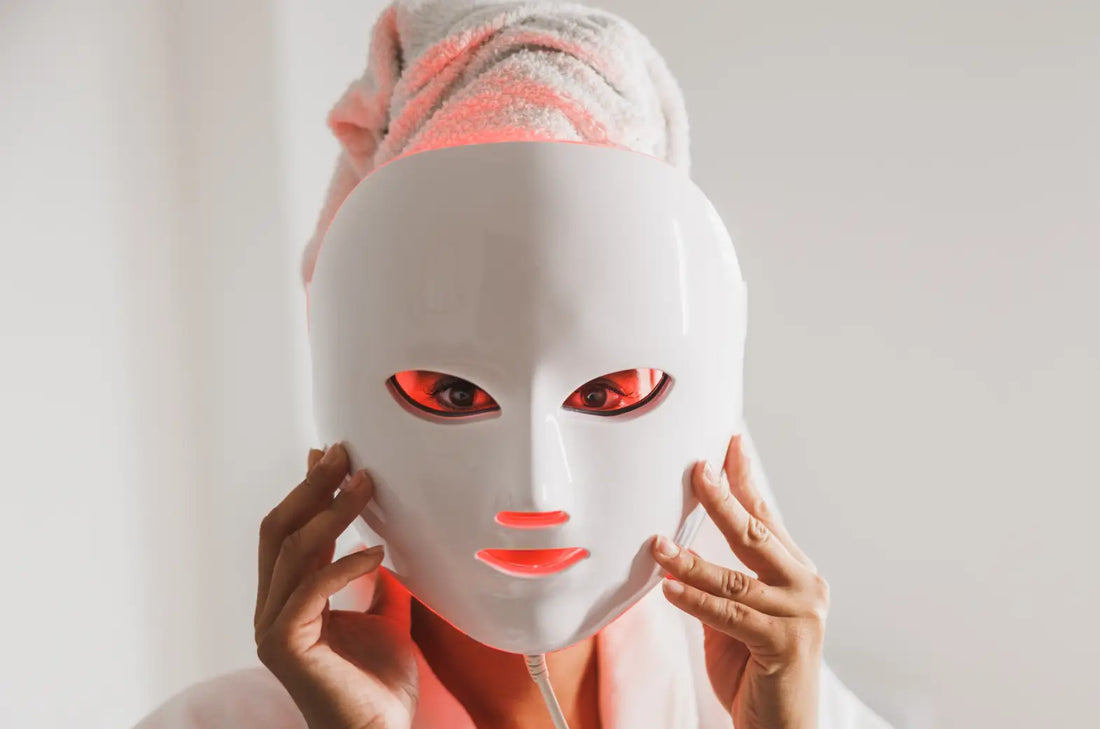
Proven Skincare Tools for Glowing Skin
Achieving glowing skin doesn’t need to involve expensive treatments or complicated routines. With modern beauty tools designed to work with your skin—not against it—you can get visible results right at home. At re-nū Smart Beauty, we believe skincare should be science-backed, effective, and fuss-free. Let’s explore the proven skincare tools you can add to your routine for radiant, healthy-looking skin—without the guesswork.
Learn more
Best Hair Brush for Hair Growth in 2025
If you’re struggling with thinning hair or slow regrowth, the solution may be simpler than you think. With the rise of advanced beauty tech, hair growth brushes using red light therapy, plasma lasers, and EMS (electrical muscle stimulation) have become some of the most effective tools for promoting thicker, healthier hair — without the guesswork or side effects. In this guide, we’ll explore the best hair brushes for hair growth in 2025, how they work, and which ones are worth adding to your routine.
Learn more
Why Every Beauty Lover Needs a Mini Fridge for Skincare
Beauty enthusiasts know that skincare is all about maintaining the freshness and effectiveness of each product. But did you know a mini fridge for skincare could completely elevate your routine? It’s not just a trend; it’s a smart and luxurious upgrade that’s here to stay. In this blog, we’ll explore why every beauty lover should invest in a skincare fridge and how it can transform your beauty regimen.
Learn more
LED Light Therapy Color Benefits
In recent years, LED light therapy has become a widely sought-after skincare treatment, known for its ability to target various skin concerns without the need for invasive procedures. One of the key factors behind its effectiveness is the use of different light colors, each with unique wavelengths that penetrate the skin at different depths. These colors offer specific benefits, from calming inflammation to boosting collagen production, addressing acne, and improving skin tone. Let’s explore the distinct properties of each LED light therapy color and how they contribute to healthier, more radiant skin.
Learn more