
smart beauty insights
Stay ahead of the curve with our collection of modern beauty tips and insights, where expert guidance meets real-world results. From smart beauty guides that break down trending techniques to in-depth skincare tool guides that help you choose and use devices with confidence, this resource hub is designed for today’s beauty-conscious consumer. Explore science-backed wellness routines and blogs on red light therapy that support radiant skin from the inside out, keep up with the latest beauty industry news, and discover skincare innovations and professional advice tailored to evolving skincare and self-care trends. Whether you’re refining your daily regimen or diving into advanced beauty tools, our comprehensive insights deliver the knowledge you need to make informed, results-driven decisions.

The Best Serums to Pair With Red Light Therapy for Maximum Results
At re-nū Smart Beauty, we believe your at-home red light therapy device should be the centerpiece of a smarter, more intentional skincare routine, not a standalone gadget. Red light therapy devices work by stimulating cellular energy production, boosting collagen, and calming inflammation at the dermal level. But what you put on your skin before and after a session can dramatically amplify, or accidentally sabotage, those results. If you've invested in a quality skincare routine, the next question is simple: what serums should you use with red light therapy? Here's the breakdown. Why Serum Pairing Matters With Red Light Therapy Red light therapy (typically in the 630–660nm range) and near-infrared light (810–850nm) penetrate the skin and energize mitochondria, kickstarting collagen synthesis and accelerating cellular repair. When your skin is in this activated state, it's more receptive to the active ingredients you apply. That means the right serum can be absorbed more effectively, work harder, and deliver visible results faster. The wrong serum, or the right one at the wrong time, can cause irritation, oxidation, or diminished efficacy. The golden rule: apply lightweight, water-based, non-photosensitizing serums before your session, and reserve richer treatments for after. Best Serums to Use Before Red Light Therapy Before your RLT session, your skin should be clean, dry, and layered with hydrating, light-safe actives that won't block the wavelengths. 1. Hyaluronic Acid Hyaluronic acid is the gold standard pre-RLT serum. It's a humectant that draws moisture into the skin, plumping the surface and creating an optimal environment for light penetration. Well-hydrated skin conducts light more efficiently and responds better to collagen stimulation. Look for a serum with multiple molecular weights of HA so it hydrates at multiple depths. 2. Peptides Peptides (particularly copper peptides, palmitoyl tripeptides, and Matrixyl) signal your skin to produce more collagen and elastin. Since RLT is already triggering collagen production, layering peptides underneath compounds the effect. It's one of the most synergistic pairings you can build into a routine. 3. Niacinamide Niacinamide (Vitamin B3) strengthens the skin barrier, reduces redness, and helps regulate oil production. It's stable under light exposure and won't interfere with wavelengths. If your skin tends to flush during RLT sessions, niacinamide is a smart buffer. 4. Growth Factors Growth factor serums (EGF, TGF-beta) work at the cellular signaling level, the same territory where red light does its work. Pairing them creates a compounding regenerative effect, particularly for mature skin or skin recovering from procedures. Serums to Save for After Your Session Some ingredients are too reactive, unstable, or photosensitizing to use during a red light session. Save these for the final step of your routine, after the light is off and your skin has had a moment to settle. Vitamin C (L-Ascorbic Acid) Vitamin C is a powerhouse antioxidant that pairs beautifully with red light therapy, but timing matters. L-ascorbic acid can oxidize when exposed to light and heat, potentially reducing its efficacy and, in some formulations, causing irritation. Apply Vitamin C after your session, once your skin has cooled, to lock in the collagen-boosting benefits and neutralize any oxidative stress. Exfoliating Acids (AHAs, BHAs, PHAs) Glycolic, lactic, and salicylic acids can leave skin more photosensitive. Don't apply them immediately before RLT. If you exfoliate, do it the night before or use them on non-RLT days. Retinol and Red Light Therapy: What You Need to Know This deserves its own section, because retinol is the single most misunderstood ingredient in the RLT conversation. Short answer: Yes, you can absolutely use retinol with red light therapy, but never during a session. Retinol (and its stronger cousins retinaldehyde and tretinoin) is a Vitamin A derivative that accelerates cell turnover, fades hyperpigmentation, and stimulates collagen. On paper, it's the perfect complement to red light therapy, both work on skin renewal from different angles. The problem is that retinol is photosensitive and inherently destabilizes under light exposure. Applying retinol before an RLT session can: Degrade the retinol molecule, wasting the product Increase irritation, redness, and peeling Compromise your skin barrier at exactly the moment you're trying to strengthen it The Right Way to Combine Retinol With RLT The most effective approach is to separate them by time of day: Morning or midday: Cleanse, apply hyaluronic acid or peptides, run your red light therapy session, then follow with Vitamin C, moisturizer, and SPF. Evening: Cleanse and apply your retinol serum as part of your nighttime routine. If you only do RLT at night, wait at least 20–30 minutes after your session before applying retinol. This gives your skin time to cool, and the wavelength-triggered inflammation response to subside, meaning retinol works with your skin instead of against it. Beginners should also start slow: introduce retinol two or three nights per week, and give your skin two to four weeks to adjust before scaling up. Red light therapy actually helps offset the classic "retinization" period (the redness, flaking, and sensitivity) by accelerating barrier repair. Ingredients to Skip Entirely During RLT Sessions Essential oils (photosensitizing and often irritating) Benzoyl peroxide (can oxidize) Heavy occlusives like petrolatum or thick balms (block light penetration) Makeup, SPF, or tinted moisturizer (barriers to wavelengths) Your skin should be bare, clean, and lightly hydrated, nothing more. Building Your Routine Around Your Device A simple, effective RLT-optimized routine looks like this: Cleanse with a gentle, non-stripping cleanser Apply hyaluronic acid and/or a peptide serum Run your red light therapy session (typically 10–20 minutes depending on your device) Apply Vitamin C or a growth factor serum Moisturize SPF (morning) or retinol (evening, on non-RLT-adjacent nights) Consistency beats intensity. Three to five sessions per week, paired with the right actives, will outperform sporadic use of expensive products every time. Ready to Upgrade Your Skincare Routine? Red light therapy is only as powerful as the routine you build around it. Explore our full red light therapy device collection to find the tool that fits your skin goals, and let your serums do the rest of the work.
Learn more
Can You Use Red Light Therapy While Pregnant? A Complete, Evidence-Based Guide
Red light therapy has become one of the most talked-about wellness tools of the decade, praised for smoother skin, faster recovery, and less inflammation. So it's no surprise that expecting mothers are asking the obvious question: can you use red light therapy while pregnant? At re-nū Smart Beauty, we believe the honest answer matters more than a comfortable one. Below is a clear, unbiased look at what the science actually says, what OB-GYNs recommend, and why the postpartum period is often when red light therapy delivers its most meaningful results. The Short Answer on Using Red Light Therapy While Pregnant There is no published evidence that red light therapy (also called photobiomodulation, or PBM) is harmful during pregnancy when used on areas away from the abdomen. However, large-scale clinical trials specifically on pregnant women are very limited, so most experts, including OB-GYNs and dermatologists, recommend a very conservative approach here: avoid the belly, lower back, and pelvis, keep sessions short and localized, and always talk with your provider before starting. For those who are interested in exploring red light therapy while pregnant, let's dig a little deeper. What Red Light Therapy Actually Is Red light therapy uses low-level wavelengths of visible red light (typically 630–660 nm) and near-infrared light (810–850 nm) to stimulate mitochondrial activity in your cells. Unlike UV light, these wavelengths are non-ionizing, meaning they cannot damage DNA or cause the kind of cellular harm associated with tanning beds or sun overexposure. This is the same category of light medicine used in NICUs to treat jaundiced newborns and in dermatology clinics for wound healing. That context matters when weighing pregnancy safety. What the Research Says About Pregnancy Safety Here's what we know: No teratogenic effects have been documented in animal studies of low-level laser and LED therapy. A 2021 review in Lasers in Medical Science found no harmful effects when low-level light therapy was used on the skin during pregnancy. Low-level laser therapy (LLLT) has been used clinically during pregnancy for TMJ and dental pain without reported adverse effects. Dr. Michael Hamblin, one of the world's leading researchers in photobiomodulation, has publicly stated he does not believe light medicine is harmful during pregnancy, particularly when the abdomen is not directly treated. At the same time, most consumer device manufacturers include pregnancy in their "not recommended" language, partly as a legal precaution, partly because pregnancy-specific clinical trials are genuinely sparse. This means that the actual hard evidence on whether or not it is completely safe is still largely unknown. Absence of harm is not the same as confirmed safety, but it also isn't evidence of risk. What OB-GYNs Typically Recommend Most physicians who are familiar with red light therapy agree on a common-sense framework during pregnancy: Avoid direct treatment over the abdomen, uterus, lower back, and pelvis. Near-infrared wavelengths can penetrate several centimeters into tissue, and there is simply not enough long-term data on fetal exposure. Keep treatments localized: face, neck, shoulders, arms, hands, knees, ankles, and feet are generally considered lower-risk zones. Shorten sessions. Ten minutes on a targeted area is very different from a 30-minute full-body panel exposure. Use eye protection and follow manufacturer distance guidelines. Talk to your OB-GYN or midwife first, especially if you have a high-risk pregnancy, are taking photosensitizing medications, or have conditions like melasma, lupus, or a history of skin cancer. Pregnant women commonly use red light therapy on the face for pregnancy-related acne, melasma, and dryness; on the shoulders and hips for musculoskeletal pain; and on the legs for circulation. These uses have the strongest anecdotal safety record. What to Avoid During Pregnancy High-intensity full-body panels aimed at the torso Abdominal or lower-back treatment Treatments layered with photosensitizing skincare (retinoids, certain antibiotics, essential oils) When in doubt, err on the side of restraint. Pregnancy is not the moment to experiment. Why Postpartum Is Where Red Light Therapy Really Shines If pregnancy is the "proceed with caution" chapter, the postpartum period is where red light therapy earns its reputation. The research base here is significantly stronger, and this is when many women actively seek out skin and recovery support. Skin recovery and stretch marks Red light stimulates fibroblast activity and collagen and elastin production, helping skin regain elasticity after the rapid stretching of pregnancy. Consistent use over 6–12 weeks is often when visible improvement in stretch marks and skin tone emerges. C-section and perineal healing Photobiomodulation is well-documented to accelerate wound healing, reduce inflammation, and support healthier scar formation rather than dense, rigid scar tissue. Once your provider clears the incision or tear for treatment, red light can be a gentle adjunct to recovery. Postpartum hair loss Telogen effluvium, the shedding many mothers experience 2–4 months postpartum, often responds well to red light stimulation of the scalp, which supports follicle activity and circulation. Musculoskeletal pain Nursing posture, carrying a newborn, and pelvic recovery all take a toll. Red and near-infrared light can ease back, neck, wrist, and joint discomfort without medication. Mood and sleep A 2023 meta-analysis found light therapy significantly improved depression scores and sleep quality in new mothers, with stronger effects after six weeks of consistent use. Breastfeeding support The U.S. National Library of Medicine's LactMed database considers phototherapy compatible with breastfeeding. Red light has been studied for reducing nipple pain and supporting tissue healing from latch trauma. As always, avoid direct treatment over the areola immediately before nursing and follow your lactation consultant's guidance. Choosing a Red Light Device You Can Trust Not all red light devices are created equal. When you're evaluating a device for pregnancy-adjacent or postpartum use, look for: Clearly published wavelengths in the therapeutic range (typically 630–850 nm) Targeted form factors (masks, wands, and small panels) that make it easy to treat specific areas rather than the whole body Transparent manufacturer guidance on distance, duration, and contraindications You can browse curated, wavelength-verified options in our red light therapy collection, which includes face masks, handheld wands, and targeted panels suited to postpartum routines. The Best Times to Use Red Light Therapy Based on Data Can you use red light therapy while pregnant? The most honest answer is: probably yes, in a limited and localized way, with your provider's blessing, and definitely not directly over the belly. The evidence points toward safety, but the evidence base is small enough that caution is warranted. Should you use red light therapy postpartum? For most healthy new mothers, this is where the risk-benefit calculation shifts decisively in favor of use. From C-section scars to stretch marks, hair regrowth to sleep, red light therapy is one of the few tools that can support multiple dimensions of postpartum recovery in a single, drug-free routine. Whatever stage you're in, choose your device carefully, respect the wavelengths, and treat your body, during and after pregnancy, with the informed patience it deserves. This article is for educational purposes and does not constitute medical advice. Always consult your OB-GYN or healthcare provider before starting any new therapy during pregnancy.
Learn more
6 Microcurrent Device Options for At-Home Modern Skincare
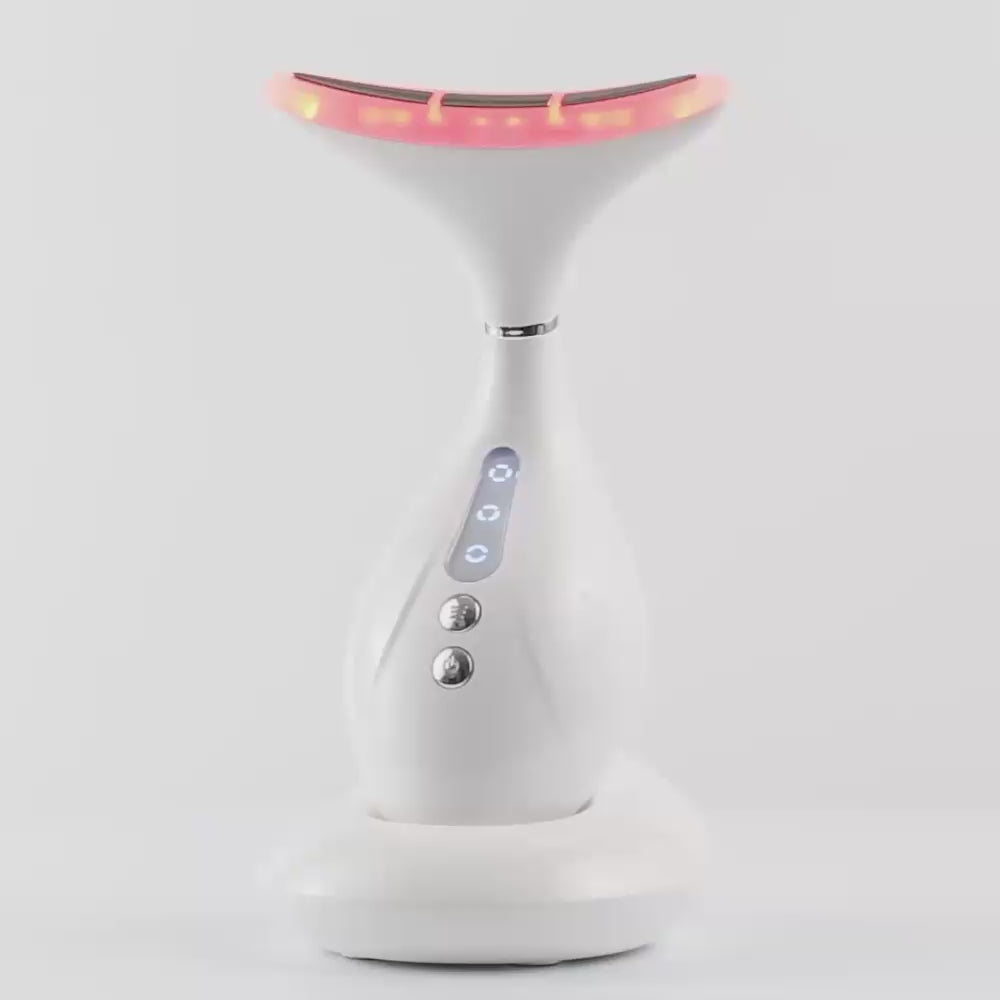
At-home beauty tools have become valuable additions to structured skincare routines. A microcurrent device uses low-level electrical signals designed to support facial toning and firmer-looking skin. EMS technology adds targeted stimulation that engages facial muscles, while LED light addresses concerns such as dullness, redness, and visible signs of aging. At re-nū Smart Beauty, our collection brings several technologies into practical skincare tools. Each design serves a different purpose, from jawline sculpting to LED light care and skin-firming treatments. Choosing between these options depends on the desired focus, preferred treatment style, and areas receiving attention. 360° LED Lift & Sculpt The 360° LED Lift & Sculpt focuses on the neck, chin, and jawline. Its design combines Red, Blue, and Purple LED light with warming settings, microcurrent, and EMS. Red LED supports a smoother, firmer-looking complexion, while Blue LED targets breakout-prone areas. Purple LED combines both light modes to encourage a more balanced-looking tone. Thermal therapy adds gentle warmth, which can support circulation and relaxation. Key benefits include: Smoother-looking skin and refined visible texture Support for firmer-looking facial contours Care for breakout-prone areas Gentle warming for improved skincare absorption Adjustable intensity suitable for different skin types Vibrating EMS Massage Roller The Vibrating EMS Massage Roller combines dual V-shaped rollers with EMS stimulation. Its design supports targeted massage across the face, jawline, arms, and thighs. The rolling motion can help reduce the appearance of puffiness while supporting circulation. EMS engages muscles to create a more toned appearance. Massage also provides a relaxing component that can ease facial and body tension. This rechargeable tool suits routines focused on contouring, massage, and portability. Its lightweight design also makes it practical for travel. LED Light Therapy Wand: Red & Blue Light Skincare LED light therapy provides another approach to targeted skincare. The LED Light Therapy Wand uses Red and Blue light to address different complexion concerns. Red light supports collagen production and helps improve the appearance of fine lines and wrinkles. Blue light targets acne-causing bacteria and can help calm visible irritation. A rotating massage head adds gentle movement while supporting circulation and topical product application. Customizable intensity keeps treatments tailored to individual skincare needs. The rechargeable format also supports convenient use at home or while traveling. Compact LED Facial Toning Massager The Compact LED Facial Toning Massager combines LED technology with microcurrent and EMS. Its compact design focuses on lifting, toning, and refreshing the appearance of facial skin. Microcurrent and EMS support facial muscle stimulation around areas such as the cheeks and jawline. Red LED supports collagen and elastin, while Blue LED supports blemish-prone skin. The device also supports circulation and lymphatic drainage, which can help create a fresher-looking complexion. Its gentle, non-invasive design fits easily into regular skincare routines. Benefits at a glance Supports firmer-looking facial contours Helps smooth the appearance of fine lines Supports collagen and elastin Addresses visible blemishes and irritation Encourages a refreshed-looking glow Helps topical skincare products absorb effectively GlowUp LED 360° Light Wand The GlowUp LED 360° Light Wand combines LED light care with microcurrent toning. Its 360-degree design supports convenient movement across the face. Red LED helps address visible fine lines and supports a firmer-looking complexion. Light stimulation can also enhance the appearance of radiance and clarity. Microcurrent supports facial toning, while massage encourages circulation. A wireless charging base keeps the device convenient for daily routines. Its portable construction also makes it suitable for different skincare settings, including travel. RF LED Microcurrent Lift Device The RF LED Microcurrent Lift Device brings radio frequency, LED, and EMS technology into one at-home beauty tool. This combination targets concerns related to firmness, tone, texture, and radiance. RF technology uses controlled thermal energy, while LED light supports a more even-looking complexion. EMS and microcurrent provide facial muscle stimulation that can contribute to a lifted appearance. Multiple light modes and intensity settings allow treatments to suit different skincare goals. USB-C charging and a lightweight design support convenient use at home or during travel. Choosing a Device Based on Skincare Goals Different technologies serve different functions, making the selection process easier when specific goals come first. For jawline and neck care: The 360° LED Lift & Sculpt provides targeted coverage for these areas. For massage and body sculpting: The Vibrating EMS Massage Roller supports facial and body treatments. For light-focused skincare: The LED Light Therapy Wand offers dedicated Red and Blue LED modes. For compact facial toning: The Compact LED Facial Toning Massager combines several functions in a smaller format. For 360-degree LED care: The GlowUp LED 360° Light Wand offers light therapy and microcurrent toning. For multi-technology treatments: The RF LED Microcurrent Lift Device integrates RF, LED, EMS, and microcurrent. Building a Consistent At-Home Routine A microcurrent device can complement foundational skincare steps such as cleansing, moisturizing, and targeted serums. LED technology can add another layer of focused care, while massage and warming functions provide additional sensory benefits. Consistency also depends on selecting a device that fits naturally into an established routine. Portable designs can support travel, while multifunctional tools can reduce the number of separate steps required. At re-nū Smart Beauty, our collection is designed around accessible, technology-focused skincare. Each device offers a distinct combination of features for lifting, toning, light therapy, massage, or skin rejuvenation. A microcurrent device can become part of a structured beauty routine centered on firmer-looking, smoother, and more radiant skin. Explore the full collection here at re-nū Smart Beauty to find the technology that best aligns with specific skincare goals.
Learn more
5 Skin Care Devices for Anti-Aging That Support Healthier-Looking Skin
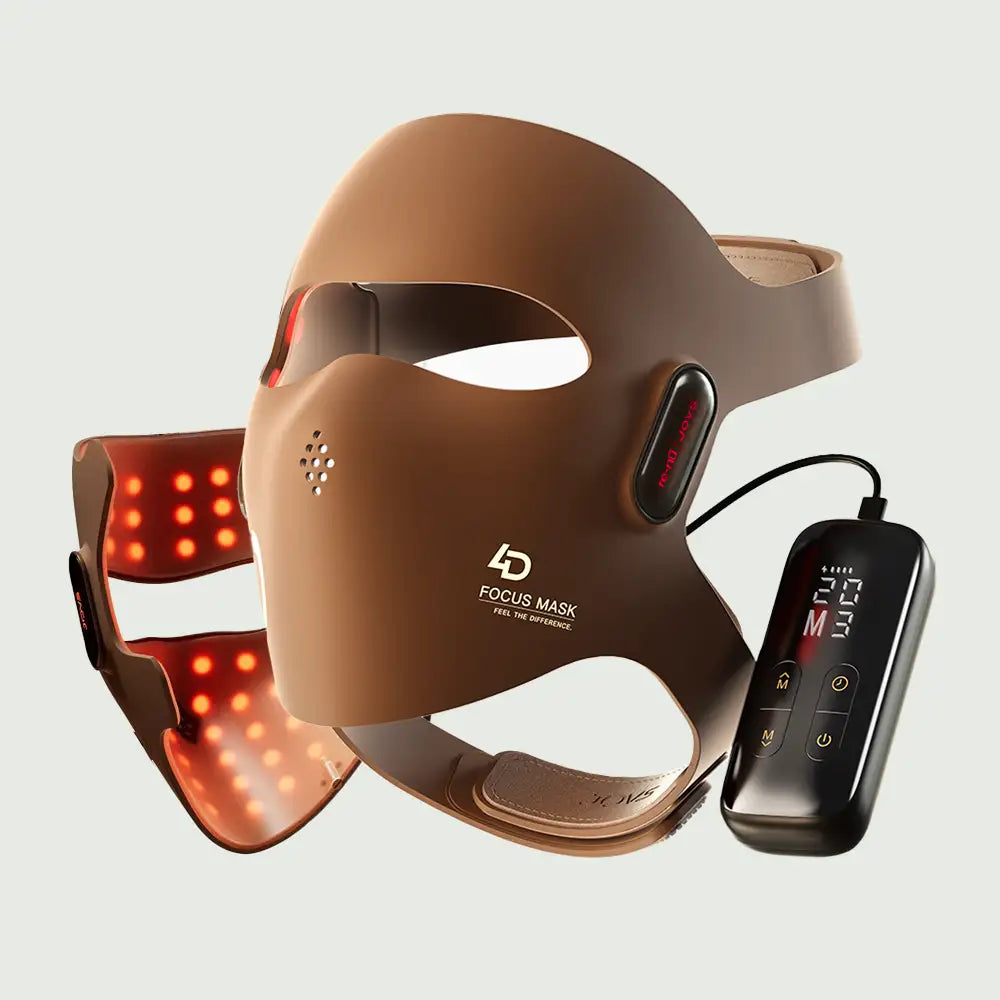
Healthy-looking skin reflects consistent care, thoughtful product selection, and technology designed to support visible improvements over time. Modern skin care devices have become valuable additions to anti-aging routines because they address common concerns such as fine lines, uneven texture, reduced firmness, and dullness through non-invasive treatments that fit comfortably into daily life. At re-nū Smart Beauty, we believe advanced beauty technology should be practical, effective, and accessible for home use. Our collection focuses on proven technologies that help support collagen production, improve skin tone, and encourage a refreshed appearance without interrupting everyday routines. Why Anti-Aging Technology Has Become Part of Modern Skincare Professional skincare treatments inspired many of the innovations now available for home use. Advances in light therapy, microcurrent stimulation, radio frequency, cryotherapy, and laser technology have created new opportunities for maintaining healthier-looking skin between professional appointments. Consistent use of high-quality devices can help support: Improved skin elasticity Reduced appearance of fine lines Better skin texture Enhanced radiance More even-looking skin tone Improved absorption of skincare products Each technology targets different concerns, allowing skincare routines to match individual goals while remaining gentle enough for regular use. 4D Laser Light Mask Advanced Laser Technology for Visible Rejuvenation Laser-based treatments have earned recognition for supporting collagen production and improving the appearance of aging skin. The 4D Laser Light Mask brings this technology into the home with advanced engineering designed for comfort and precision. Unlike traditional LED masks, this device uses 140 VCSEL laser chips with zoned light control to deliver highly focused energy across the face. Its proprietary FPT Ultra-Narrow Light Technology directs each beam precisely while reducing wasted energy. The system includes four wavelengths, including long-wave 1064nm infrared light that reaches deeper layers associated with collagen support. The flexible design follows facial contours to improve light delivery while maintaining comfort during treatment. Additional features include: Six times greater energy efficiency than conventional LED technology Eye-safe design without pressure around sensitive areas Even light distribution across facial zones FDA-cleared laser technology for home use These capabilities support smoother-looking skin while helping reduce the appearance of wrinkles over time. Multi-Color Light Therapy Mask Personalized LED Treatments for Multiple Skin Concerns LED light therapy remains a trusted option for individuals seeking gentle, non-invasive skincare solutions. The Multi-Color Light Therapy Mask expands treatment possibilities by offering eight therapeutic light modes within a single wearable device. Its 288 medical-grade LEDs distribute light evenly across the face, helping support consistent treatment sessions. Each wavelength addresses a different concern, making the mask suitable for routines focused on aging, discoloration, redness, blemishes, or dullness. Key advantages include: Eight LED color modes Medical-grade LED technology Hands-free wearable design Rechargeable portability Comfortable materials suitable for daily use Regular sessions may help improve skin clarity while encouraging a brighter, more balanced complexion. 360° LED Lift & Sculpt Focused Care for the Neck and Jawline The neck and jawline frequently show visible signs of aging before other facial areas. Targeted treatment helps maintain firmness where skin naturally becomes thinner over time. The 360° LED Lift & Sculpt combines three technologies into one compact device: Red LED light supports the appearance of improved elasticity. Blue LED light helps calm breakout-prone skin. Purple LED light promotes a more balanced complexion. The addition of microcurrent EMS provides gentle muscle stimulation that supports firmer-looking contours. Thermal therapy introduces soothing warmth that may encourage circulation while helping skincare products absorb more effectively. Adjustable intensity settings allow comfortable treatments across different skin types, making this device suitable for consistent long-term use. GlowUp LED 360° Light Wand Precision Treatments for Daily Maintenance Portable beauty technology makes it easier to maintain consistent skincare routines. The GlowUp LED 360° Light Wand offers targeted treatment through an ergonomic 360-degree design that comfortably reaches multiple facial areas. LED light therapy works alongside gentle microcurrent stimulation to support smoother, firmer-looking skin. Integrated touch sensors simplify operation while adjustable treatment modes accommodate different skincare needs. Benefits include: Improved appearance of fine lines Brighter-looking complexion Support for healthier skin elasticity Enhanced circulation Better absorption of topical skincare products Wireless charging convenience Its compact size also makes it practical for travel without disrupting established skincare habits. Cold Therapy EMS Dual Roller Cooling Technology Meets Microcurrent Toning Cold therapy has long been appreciated for its refreshing effect on tired skin. The Cold Therapy EMS Dual Roller pairs cooling technology with gentle EMS stimulation to support visible contouring while helping reduce temporary puffiness. Daily use delivers two complementary actions during each treatment. The cooling surface refreshes the skin while the microcurrent technology encourages firmer-looking facial contours. This dual-function strategy supports concerns such as: Puffiness Loss of firmness Dull-looking skin Facial definition Morning treatments help refresh the complexion before makeup application, while evening sessions provide a relaxing addition to skincare routines. Choosing the Right Device for Individual Skin Goals Different technologies address different priorities, making product selection easier when specific concerns guide the decision. Those seeking advanced wrinkle reduction may benefit from laser-based treatments. Individuals focused on overall skin tone may prefer multi-wavelength LED therapy. Microcurrent technology supports firmer facial contours, while cold therapy offers refreshing care that reduces visible puffiness. Many routines successfully incorporate complementary technologies on alternating days, allowing each treatment to support different aspects of skin health without creating unnecessary complexity. At re-nū Smart Beauty, we encourage building routines that remain realistic and consistent. Visible improvements develop gradually through regular care supported by reliable technology. Discover Advanced Anti-Aging Solutions at re-nū Smart Beauty Modern skin care devices provide practical solutions for supporting healthier-looking skin from home. Laser therapy, LED light, microcurrent stimulation, and cold therapy each contribute unique benefits that help address common signs of aging while fitting comfortably into everyday routines. At re-nū Smart Beauty, our mission is to deliver thoughtfully designed beauty technology that helps support firmer, brighter, and smoother-looking skin through consistent care. Explore our collection of innovative anti-aging devices and discover solutions designed to elevate every skincare routine with professional-inspired results from the comfort of home.
Learn more
How Does Red Light Therapy at Home Really Work?
Interest in red light therapy at home has grown as more people look for convenient ways to support healthier-looking skin. This technology uses specific wavelengths of light that interact with skin cells, encouraging natural biological activity without invasive procedures. Home devices now make this approach accessible while fitting easily into everyday skincare routines. At re-nū Smart Beauty, we believe that informed skincare decisions begin with reliable information. Learning how light therapy works, what results to expect, and how to use it correctly helps create realistic expectations and encourages consistent care. How Red Light Therapy Works Red light therapy relies on low-level wavelengths of visible red and near-infrared light. These wavelengths penetrate the skin and reach cells beneath the surface without causing damage. Inside each cell are mitochondria, frequently described as the cell's energy centers. When exposed to therapeutic wavelengths, mitochondria increase the production of adenosine triphosphate (ATP), the molecule that supplies energy for cellular functions. Greater energy availability supports normal repair mechanisms and healthy skin activity. This process contributes to several visible improvements, including: Increased collagen production Enhanced skin elasticity Reduced appearance of fine lines Improved skin texture Support for the skin's natural recovery process Reduced visible redness Unlike treatments that intentionally remove or injure the outer skin layers, red light therapy works beneath the surface while leaving the skin barrier intact. Why Collagen Production is Important Collagen provides structure and firmness within the skin. Natural collagen production gradually slows with age, contributing to wrinkles, reduced elasticity, and thinner skin. Red light therapy encourages fibroblasts, the cells responsible for collagen production, to remain active. As collagen levels improve over time, skin may appear firmer, smoother, and more resilient. Visible improvements usually develop gradually rather than immediately, making consistency an essential part of any treatment routine. Expected Benefits for Skin Regular sessions may support several cosmetic improvements when paired with a consistent skincare routine. Some frequently reported benefits include: Smoother-looking skin Softer appearance of expression lines Improved skin tone Brighter complexion Better skin texture Reduced visible inflammation after blemishes Because the treatment is gentle, it can complement moisturizers, serums, and other non-irritating skincare products. Is It Safe for Different Skin Types? Low-level red and near-infrared light does not contain ultraviolet radiation. Since UV exposure causes tanning and sun damage, therapeutic red light works differently. Most skin tones and skin types tolerate this technology well because treatment does not rely on heat or chemical exfoliation. Individuals with photosensitivity disorders or those taking medications that increase light sensitivity should seek medical guidance before beginning treatment. Frequently Asked Questions About Using Red Light Therapy at Home What is red light therapy, and how does it work? Red light therapy uses low-level wavelengths of red and near-infrared light to penetrate the skin and stimulate cellular energy production. These wavelengths activate mitochondria, increase ATP production, support collagen synthesis, reduce inflammation, and promote natural skin repair. Home devices make this clinically studied technology available without requiring professional appointments. What are the benefits of red light therapy at home for the skin? Consistent treatment may improve skin tone, soften fine lines, support collagen production, and create a brighter complexion. Many individuals also notice smoother texture, reduced visible redness, and healthier-looking skin after several weeks of regular sessions. How often should treatment be used for glowing skin? Many experts recommend using the device three to five times weekly. Individual sessions generally last between 10 and 20 minutes. Noticeable cosmetic improvements commonly appear after four to eight weeks of regular use. Is red light therapy at home safe for all skin types? This technology is generally considered appropriate for most skin tones because it uses neither ultraviolet light nor damaging heat. It is non-invasive and painless. Medical advice remains appropriate for anyone with photosensitivity conditions or medications that increase light sensitivity. Does red light therapy go through clothes? Light must reach the skin directly to produce the intended biological response. Clothing blocks much of the therapeutic light, reducing effectiveness. Treatment areas should remain uncovered whenever possible so the wavelengths can reach the targeted skin. Does red light therapy make you tan? No. Red light therapy does not produce a tan because it does not emit ultraviolet radiation. Tanning occurs when UV rays stimulate melanin production. Therapeutic red and near-infrared wavelengths support cellular activity without triggering this process. How does red light therapy compare to other at-home beauty treatments? Many at-home skincare treatments focus on exfoliation or surface renewal. Red light therapy at home supports natural cellular activity beneath the skin without creating controlled damage or requiring recovery time. It also works alongside topical skincare products, making it a practical addition to an existing routine. Building a Consistent Skincare Routine Healthy skin reflects long-term care rather than isolated treatments. Gentle cleansing, daily hydration, sun protection, and consistent red light therapy create a routine that supports lasting cosmetic improvements. Patience also contributes to success. Cellular renewal requires time, and gradual improvements typically produce natural-looking results that continue developing with regular use. At re-nū Smart Beauty, our mission is to provide thoughtfully designed skincare technology supported by education and science. Explore our innovative red light therapy solutions and discover how our products can help support healthier, brighter-looking skin from the comfort of home.
Learn more
Can I Do Red Light Therapy After Botox? What the Science Says
If you've just left your injector's office and you're eyeing the LED mask on your nightstand, you're not alone. Is it safe to do red light therapy after Botox? The short answer most aesthetic professionals give is yes, but timing is the part that actually matters. Below, we'll walk through what the current science suggests, why the waiting period exists, and which red light therapy devices tend to pair best with post-injection care. How Botox Works and Why Timing Matters Botox is a purified botulinum toxin that's injected into specific facial muscles to temporarily soften the movement that creates expression lines. After the injection, the protein needs a little time to bind to the right nerve receptors and settle into the targeted muscle. That settling window is the reason post-procedure aftercare exists at all. Most guidance you'll find from dermatologists and injectors centers on one idea: in the first day or two, you want to avoid anything that could theoretically move the product before it binds where it's meant to. That typically means steering clear of intense heat, firm pressure, vigorous massage, and aggressive facial treatments in that early window. The concern isn't red light specifically but heat and manipulation in general. Why Most Experts Suggest Waiting 24–48 Hours Across reputable sources, the recommended pause before resuming LED therapy after Botox is generally 24 to 48 hours. The reasoning is consistent: giving the neurotoxin time to settle helps reduce the chance of it diffusing away from the intended muscle, which could lead to uneven or less predictable results. It's worth understanding why red light is usually viewed as gentle in this context. Red light therapy — also called photobiomodulation or LED therapy — uses low-level red and near-infrared wavelengths to support cellular activity. Standard LED panels and masks are designed around light energy, not intense heat, which sets them apart from saunas, hot yoga, or heat-based devices that aftercare instructions typically warn against. That low-heat profile is a big part of why many providers consider LED a reasonable adjunct once the initial settling window has passed. If you're experiencing noticeable swelling or bruising, it's reasonable to wait a little longer, and your injector may suggest as much. When in doubt, the safest move is never to guess, it's to ask the person who did your injections. Does Red Light Therapy Shorten How Long Botox Lasts? This is a fair worry, and the reassuring news is that current sources don't point to red light therapy chemically breaking down Botox or making it wear off faster when it's used after an appropriate waiting period. Botox typically lasts around three to four months depending on the individual, and standard LED therapy uses low-level light rather than the intense heat that aftercare guidance flags as a concern. The bigger variable is how you use your device in those first 48 hours, specifically whether it adds heat or pressure to a freshly injected area. Once you're past the early window and using a device as directed, there's no strong clinical evidence suggesting LED therapy compromises your results. How Red Light Therapy May Support Your Skin After Botox Beyond simply being compatible, red light therapy is often used to complement injectables. Research and clinical use suggest red and near-infrared light may help calm inflammation, support the skin's natural recovery processes, and encourage collagen activity over time. Many people fold it into their routine to soothe residual redness or minor swelling and to support overall skin tone and texture, areas Botox itself doesn't address. Think of it as a division of labor: Botox softens movement-related lines, while red light therapy works on the surface quality and overall health-of-appearance of your skin. Used together over time, they can be a more well-rounded approach to looking refreshed. Choosing the Right Red Light Therapy Device for Post-Botox Care When you're caring for recently treated skin, the most important device feature is simple: minimal pressure on the injection site. Here's how our red light therapy device collection breaks down for this use case. Hands-free panels (gentlest on freshly treated skin). Because a panel never touches your face, it applies zero pressure to the injection area, which makes it an especially sensible pick as you ease back in. Our UltraThin LED Red Light Panel is a slim, hands-free option with red, near-infrared, and blue wavelengths, while the LED Red Light Therapy Panel – Tabletop and the LED Red Light Panel Pro with Adjustable Stand let you position light at a comfortable distance for a relaxed, no-contact session. LED masks (great once you're past the waiting window). Masks offer even, full-face coverage, but they do rest lightly against the skin, so they're best reserved for after your 24–48 hour wait rather than immediately post-injection. Options like our Wireless LED Mask and the Multi-Color Light Therapy Mask deliver convenient, hands-free coverage once your skin has settled. Targeted tools. For spot-treating specific areas without broad contact, the Red Light Torch offers precise, focused application. Whatever you choose, look for devices using clinically referenced red light wavelengths, typically red light around 630–660 nm and near-infrared around 810–850 nm, and keep sessions in the standard 10–20 minute range. A Simple Post-Botox Red Light Routine Once you've been cleared by your provider and the initial window has passed, a gentle, consistent rhythm tends to work well: short sessions a few times per week, easing in rather than overdoing it. Many people start with two to three sessions weekly in the first couple of weeks, then settle into a maintenance cadence. Avoid pressing a device firmly into treated areas, skip anything that generates real heat early on, and let comfort be your guide. The Answer to Botox and Red Light Compatibility So, can you do red light therapy after Botox? Generally yes, once you've given your injections 24 to 48 hours to settle, used a low-heat LED device, and avoided pressure on the treated area. Red light therapy isn't known to undo your results, and it may even support a smoother, more radiant recovery. The smartest first step is always a quick check-in with your injector, who can tailor timing to your skin. When you're ready to build red light therapy into your routine, our collection of LED devices makes it easy to find a gentle, at-home option that fits your skin and your schedule. This article is intended to be educational and not medical advice. Botox is a prescription treatment, and your injector knows your skin and your specific plan better than anyone. Always follow their aftercare instructions first.
Learn more
The Science Behind Red Light Therapy Patches and Skin Renewal
Advances in skincare technology have introduced new methods for supporting healthy-looking skin without complicated treatments or lengthy appointments. Among these innovations, red light therapy patches have emerged as a convenient option for individuals seeking targeted skincare support. These compact patches combine specific light wavelengths with skin-friendly ingredients to help maintain a balanced, refreshed complexion. At re-nū Smart Beauty, we believe skincare should be effective, comfortable, and easy to incorporate into daily life. Our Smart LED Patches deliver targeted blue and red light treatment directly to areas of concern while supporting the skin with carefully selected ingredients known for their soothing and clarifying properties. Light Therapy in Skincare Light therapy uses controlled wavelengths of visible light to support the appearance of the skin. Different colors of light interact with the skin in unique ways, producing specific cosmetic benefits. Blue light at 460nm is commonly used to support clearer-looking skin and help maintain a balanced complexion. Red light at 630nm is associated with skin rejuvenation and a healthy-looking glow. When these wavelengths work together, they create a gentle treatment suitable for regular use. Unlike harsh treatments that may leave skin feeling uncomfortable, light-based skincare provides a non-invasive experience that can easily fit into an existing beauty routine. How Red Light Therapy Patches Work at a Cellular Level The effectiveness of light therapy begins beneath the skin’s surface. Researchers have studied how specific wavelengths interact with cells and discovered that red light can influence cellular energy production. Human cells contain structures called mitochondria, frequently referred to as the power centers of the cell. Mitochondria generate adenosine triphosphate, commonly known as ATP, which supplies energy for essential cellular activities. When skin receives exposure to red light at specific wavelengths, mitochondria can absorb this light energy. This process supports ATP production and encourages normal cellular activity associated with skin maintenance and renewal. ATP Production and Skin Appearance ATP serves as the primary energy source for cells. Adequate energy availability supports many natural processes that contribute to healthy-looking skin. These processes include: Skin cell turnover Surface renewal Maintenance of smooth texture Support for a more even-looking complexion Enhanced cellular energy supports the skin’s natural ability to maintain a refreshed and vibrant appearance over time. Mitochondrial Stimulation and Skin Renewal Mitochondria contain light-sensitive molecules capable of responding to red wavelengths. Exposure to red light can encourage these structures to function efficiently, supporting the skin’s normal renewal processes. This cellular response has made red light technology an increasingly popular addition to modern skincare routines. The treatment remains gentle and does not require downtime, making it practical for consistent use. Benefits of Using Smart LED Patches for Skincare Our Smart LED Patches combine light technology with skincare ingredients that complement the treatment experience. Supports a Clearer-Looking Complexion Blue light technology helps maintain the appearance of balanced skin. Targeted treatment allows focused support exactly where it is needed. Encourages a Healthy Glow Red light promotes a radiant appearance and supports a smoother-looking skin texture. Consistent use may contribute to a more refreshed complexion. Gentle and Comfortable Application The patches are designed for sensitive skin and provide a comfortable treatment experience. Their lightweight design allows extended wear without irritation. Convenient Overnight Use Each patch can remain in place for six to eight hours. Overnight application allows uninterrupted treatment while the skin undergoes its natural nighttime renewal cycle. Skin-Supporting Ingredients Included in Smart LED Patches The technology behind the patches is complemented by ingredients selected for their skincare benefits. Salicylic Acid Salicylic Acid helps maintain smooth, refreshed-looking skin through gentle exfoliation. It supports pore clarity and promotes an even-looking texture. Centella Asiatica Centella Asiatica is known for its soothing properties. It helps maintain a calm appearance and supports skin comfort, particularly for delicate skin. Tea Tree Oil Tea Tree Oil provides natural skin-supporting properties that help promote a balanced-looking complexion and a refreshed appearance. Hydrocolloid Technology Hydrocolloid material absorbs excess moisture while creating a protective environment around targeted areas. This helps support smoother-looking skin and promotes a cleaner appearance. Integrating Smart LED Patches into Your Daily Beauty Routine Consistency helps maximize the benefits of any skincare product. Smart LED Patches are designed to fit easily into existing routines. Recommended application steps: Cleanse the skin using a gentle cleanser. Pat the skin dry completely. Activate the patch by pulling the tab. Remove the protective film. Apply the patch directly to the desired area. Leave in place for six to eight hours. Remove gently after treatment. Many users prefer applying patches before bedtime, allowing treatment to continue overnight. Tips for Optimal Results A few simple habits can help support consistent performance: Apply patches only to clean, dry skin. Follow a regular application schedule. Avoid adjusting the patch after placement. Store patches in a cool, dry location. Maintain a supportive skincare routine alongside treatment. These practices help create ideal conditions for continued use. Why Smart LED Patches Fit Modern Skincare Needs Consumers increasingly seek skincare solutions that combine convenience with science-backed technology. Smart LED Patches address this demand through targeted treatment, portability, and ease of use. Key features include: Advanced Blue Light Technology Red Light Support for Skin Renewal Compact and Portable Design Comfortable Daily Wear Non-Invasive Application Extended Overnight Treatment Support for Sensitive Skin The combination of light therapy and carefully selected skincare ingredients creates a practical solution for maintaining healthy-looking skin. Supporting Skin Renewal with Science-Based Care Scientific research continues to expand understanding of how light interacts with the skin at a cellular level. The relationship between red light, mitochondrial activity, and ATP production has provided valuable insight into why light-based skincare remains a growing area of interest. As interest in light-based skincare continues to grow, innovation remains at the center of advancing effective, user-friendly beauty solutions. That commitment to developing technology-driven skincare products has recently earned re-nū Smart Beauty industry recognition as the recipient of the 2026 ECRM Supplier Spotlight Award. Presented during ECRM's Skin Care, Bath, Cosmetics, Natural & Clean Beauty Session, the award is determined by retail buyers, category managers, and merchandising professionals who evaluate emerging brands and products for retail success. Unlike awards based on public voting or editorial selection, the Supplier Spotlight Award reflects direct interest from professionals responsible for identifying innovation, consumer appeal, and growth opportunities within the beauty category. For us, the recognition serves as meaningful acknowledgment of our ongoing focus on beauty technology, thoughtful product development, and creating solutions designed to support modern skincare routines. At re-nū Smart Beauty, we are committed to developing products that bring advanced skincare technology into everyday routines. Our Smart LED Patches provide targeted blue and red light treatment alongside ingredients that support a clear, balanced, and radiant appearance. With regular use, they offer a simple and comfortable way to support skin renewal and maintain healthy-looking skin from the comfort of home.
Learn more
Red Light Therapy Wavelengths: What Do They Do?
If you've shopped for an LED device lately, you've seen the numbers everywhere: 630nm, 660nm, 850nm. Those figures aren't just decoration, they're the single most important spec on the box. The wavelength a device emits determines how deep the light travels, which cells it reaches, and ultimately what results you can expect. At re-nū Smart Beauty, every panel, mask, torch, and cap we offer is engineered around specific wavelengths chosen for a specific job. Here's a guide to understanding red light wavelengths and the science of red light therapy: Why wavelength matters more than brightness Light energy is measured in nanometers (nm), and each wavelength penetrates the body to a different depth. Shorter wavelengths in the blue range stay near the surface of the skin. Longer wavelengths in the red and near-infrared range travel deeper, reaching the dermis, muscle, and even hair follicles. This is why a one-size-fits-all light doesn't exist — clearing a breakout and easing joint stiffness require energy delivered to completely different depths. The mechanism behind the results is called photobiomodulation. When the right wavelength reaches your cells, it's absorbed by the mitochondria, the energy factories inside each cell, which respond by producing more ATP. More cellular energy means faster repair, more collagen, reduced inflammation, and better circulation. Choosing the correct wavelength is simply choosing where in the body you want that boost to happen. How to Read a Red light Therapy Wavelength Chart Use this red light therapy wavelength chart guide as a quick reference for what each band does and where it works best. Blue light — 415–450 nm Penetration depth: surface (epidermis) Primary targets: acne-causing bacteria and oil glands Best for: breakouts, blemishes, oily skin Green light — 525–560 nm Penetration depth: shallow Primary targets: melanocytes and pigment Best for: dark spots, uneven tone, redness Amber / orange light — 600–620 nm Penetration depth: shallow to medium Primary targets: sensitive surface tissue Best for: calming, sensitivity, general glow Red light — 630 nm Penetration depth: medium (upper dermis) Primary targets: fibroblasts and fine lines Best for: surface texture, tone, fine lines Red light — 660 nm Penetration depth: medium-deep (dermis) Primary targets: collagen and elastin Best for: wrinkles, firmness, healing, hair Near-infrared (NIR) — 810–830 nm Penetration depth: deep Primary targets: muscle and deeper tissue Best for: recovery, circulation, inflammation Near-infrared (NIR) — 850 nm Penetration depth: deepest Primary targets: muscle, joints, follicles Best for: pain, recovery, deep rejuvenation, hair growth Blue light: the surface specialist Blue light, roughly 415–450nm, doesn't travel far, and that's exactly the point. It works on the surface of the skin where acne-causing bacteria live, neutralizing them and helping calm active breakouts before they spread. It's the wavelength behind our Smart LED Patches and the blue mode on the re-nū Red Light Torch, making it the go-to choice for anyone managing blemish-prone or oily skin. Red light (630–660nm): the collagen builders This is the heart of red light therapy and the wavelength range most people picture when they hear the term. Red light in the 630 to 660nm band penetrates into the dermis, where it stimulates fibroblasts, the cells responsible for producing collagen and elastin. The red light therapy wavelength benefits here are the ones you can see in the mirror over time: firmer skin, softened fine lines, more even tone, reduced redness, and a healthier overall glow. 660nm specifically is one of the most studied and effective wavelengths for skin rejuvenation, which is why it anchors so much of our lineup, from the UltraThin LED Red Light Panel to the Red Light Therapy Cap and the 360 LED Red Light Therapy Belt. If your goal is smoother, more youthful-looking skin, this is the band doing the heavy lifting. Near-infrared (810–850nm): the deep worker Near-infrared light is invisible to the eye, but it reaches further into the body than any other therapeutic wavelength. At 850nm, the energy travels past the skin's surface into muscle, joints, and follicles, where it supports recovery, eases inflammation, improves circulation, and accelerates cellular repair. This is the wavelength people reach for after a workout, for lingering aches, and for deeper, longer-term skin renewal that surface light can't address alone. Near-infrared is also a key player in hair growth. Our Red Light Therapy Cap pairs 660nm and 850nm precisely because the deeper near-infrared energy reaches the follicle while red light supports scalp health, a combination designed to encourage thicker, fuller hair. Why the 660nm + 850nm combination wins Most quality red light therapy devices don't rely on a single wavelength, and for good reason. Red and near-infrared light work on different layers, so combining them treats your skin and tissue top to bottom in one session. Our 360 LED Red Light Therapy Belt uses a deliberate 1:2 ratio of 660nm to 850nm, meaning more deep-penetrating near-infrared light balanced against surface-level red, to deliver both visible skin benefits and deeper recovery support at the same time. That's the principle behind nearly every re-nū device: pair the wavelengths that complement each other, calibrate the ratio, and let the light reach every layer it needs to. How to choose the right wavelength for your goals The simplest way to shop is to start with your goal and work backward to the wavelength: Acne and breakouts: blue light (around 415–450nm), found in our Smart LED Patches and the Torch's blue mode. Fine lines, tone, and firmness: red light (630–660nm), the core of our UltraThin Panel and most facial devices. Recovery, pain, and deep rejuvenation: near-infrared (810–850nm), best delivered through our panels and the Red Light Therapy Belt. Hair growth: a 660nm + 850nm combination, built into the Red Light Therapy Cap. Everything at once: a multi-wavelength device that layers red, near-infrared, and blue. Find the Right Light Therapy Device For You Wavelength is the language of light therapy. Once you understand that blue stays on the surface, red builds collagen in the dermis, and near-infrared works deepest of all, choosing a device stops being guesswork. At re-nū Smart Beauty, we engineer every product around clinically meaningful wavelengths (most often 660nm and 850nm) so the light you're using is actually reaching the cells you want to treat. Ready to put the right wavelength to work? Explore our full range of red light therapy devices and find the one that matches your goals.
Learn more
Red Light Therapy Panels vs Masks: Which One Is Right for You?
Red light therapy devices have moved out of the dermatologist's office and into homes everywhere, and two device formats lead the way: panels and masks. Both deliver the same core technology, therapeutic red and near-infrared wavelengths that work at the cellular level, but they're built for very different routines, body areas, and goals. If you're trying to decide between the two, the right answer depends less on which is "better" and more on what you actually want to treat. At re-nū Smart Beauty, we carry both because they solve different problems. This guide breaks down how each one works, where it shines, and how to pick the format that fits your space, your skin, and your schedule. How Red Light Therapy Works Red light therapy uses specific wavelengths of light to stimulate activity in your cells. Red light, typically around 660nm, is absorbed near the surface of the skin, where it supports collagen production, improves tone, and helps reduce the look of fine lines. Near-infrared light, around 850nm, penetrates deeper into muscle and joint tissue, where it promotes circulation and eases inflammation. The science is the same whether the light comes from a panel or a mask. What changes is coverage area, intensity, and how the device fits into your day. That's where the panel-versus-mask decision really gets made. Red Light Therapy Panels: Power and Full-Body Versatility Red light therapy panels are often considered the workhorses of at-home light therapy. They project a wide, high-intensity field of light that you sit or stand in front of, treating large areas of the body in a single session. Our LED Therapy Panel with Adjustable Stand and tabletop red light panel both combine 660nm red and 850nm near-infrared wavelengths, so you get surface-level skin benefits and deeper tissue support from one device. Where panels stand out: Full-body coverage. A panel can treat your face, chest, back, shoulders, or legs without repositioning a wearable device over and over. Position yourself 6 to 12 inches away and the light field does the rest. Dual-wavelength depth. Because panels run both red and near-infrared light, they reach beyond the skin into muscles and joints, making them genuinely versatile. Pain and recovery support. This is the panel's signature advantage. Athletes, people managing arthritis or back pain, and anyone recovering from daily strain use panels to increase circulation and reduce inflammation at the source. Hands-free customization. With a touchscreen and remote control, you can switch between red, near-infrared, or combined modes and set a session timer so you never overdo it. Best use cases for panels: post-workout muscle recovery, joint and back discomfort, larger treatment areas, and anyone who wants one device that handles both skincare and body wellness. A typical session runs 10 to 20 minutes per area, three to five times a week. The trade-off is that panels are stationary. You need a flat surface and a few minutes of sitting still, which is easy at home but not something you'll do on the move. Red Light Therapy Masks: Targeted, Hands-Free Skincare Masks take a different approach. Instead of a panel you sit in front of, a mask molds to the contours of your face and delivers light directly to your skin while you go about your routine. Our lineup includes a variety of different masks that utilize red light therapy, including our 4D laser light therapy mask. Where masks stand out: Perfect facial fit. A mask contours to your cheeks, forehead, and jawline, so every part of your face gets consistent exposure, including areas a flat panel can miss. Truly hands-free. Once it's on, you can relax, read, or move around the house. There's no holding a position or staying a set distance away. Multi-color targeting. Beyond red light, color masks add blue light to fight breakouts, plus additional wavelengths for pigmentation and tone, letting you customize treatment to your skin's needs. Routine-friendly. Masks slot neatly into an existing skincare regimen. Cleanse, put the mask on for a few minutes, then continue with serums and moisturizer. Best use cases for masks: facial anti-aging, acne and breakout control, uneven tone or pigmentation, and anyone who wants focused skincare without committing to a stationary setup. The convenience factor matters more than it sounds, because consistency is what drives results, and a device you'll actually use every day beats a more powerful one you skip. The limitation is scope. A mask is built for the face. It won't help with a sore lower back or post-run leg recovery. Panels vs Masks: Key Differences at a Glance Red Light Panels Coverage: Full body and large treatment areas Wavelengths: Red (660nm) plus near-infrared (850nm) Best for: Pain relief, muscle recovery, and combined body and skin support Position: Stationary, with you sitting or standing nearby Mobility: Used in a fixed location on a flat surface LED Masks Coverage: Face only, contoured for even exposure Wavelengths: Multi-color, including red, blue, and additional tones Best for: Facial skincare, acne control, and anti-aging Position: Wearable and fully hands-free Mobility: Move freely around the house while wearing it Which One Should You Choose? Choose a panel if your goals extend beyond your face, if you want to address muscle soreness or joint discomfort, or if you'd rather invest in one versatile device for the whole household. The dual-wavelength output and wide coverage make panels the more flexible long-term tool. Choose a mask if your focus is facial skincare, your priority is convenience, or you want targeted color therapy for acne, fine lines, and tone. A mask's hands-free design makes it far easier to stay consistent, which is the real key to visible change. Can You Use Both? Absolutely, and many people do. A panel handles full-body recovery and broad skin support, while a mask delivers precise, multi-color treatment to the face. Used together, they cover nearly every red light therapy goal from head to toe. Our devices are designed to work alongside one another so you can build a complete at-home routine. Red Light Therapy Masks and Panels: Frequently Asked Questions How often should I use red light therapy? Most people see the best results with consistent sessions of around 10 to 20 minutes, three to five times per week. Daily use is fine for masks, since exposure times are short. Are panels stronger than masks? Panels generally deliver higher intensity over a larger area and include near-infrared light for deeper penetration. Masks prioritize even facial coverage and color variety over raw power. Do I need both red and near-infrared light? Red light targets the skin's surface, while near-infrared reaches muscles and joints. If you want both skincare and body benefits, look for a device that offers both, like our dual-wavelength panels. How long until I see results? Light therapy is cumulative. Skin texture and tone often improve over several weeks of consistent use, while recovery and circulation benefits can be felt sooner. Whether you lead with a panel, a mask, or both, the most important factor is sticking with it. Explore the full lineup of red light therapy devices here at re-nū Smart Beauty to find the format that fits your routine and your goals.
Learn more